
Codex September 10, 2026
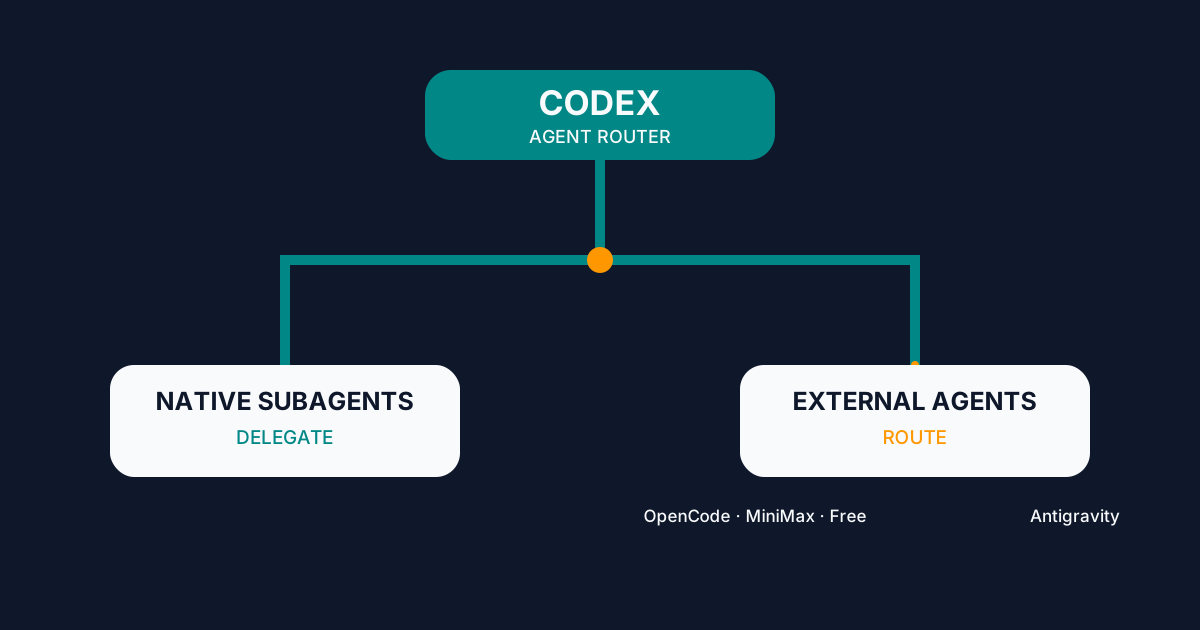
Codex Agent Router: Orchestrating External Agents
Configure Codex Agent Router to delegate to native subagents or route work to OpenCode, MiniMax, Big Pickle, and Antigravity from one interface.
Read more
19 articles found
Configure Codex Agent Router to delegate to native subagents or route work to OpenCode, MiniMax, Big Pickle, and Antigravity from one interface.
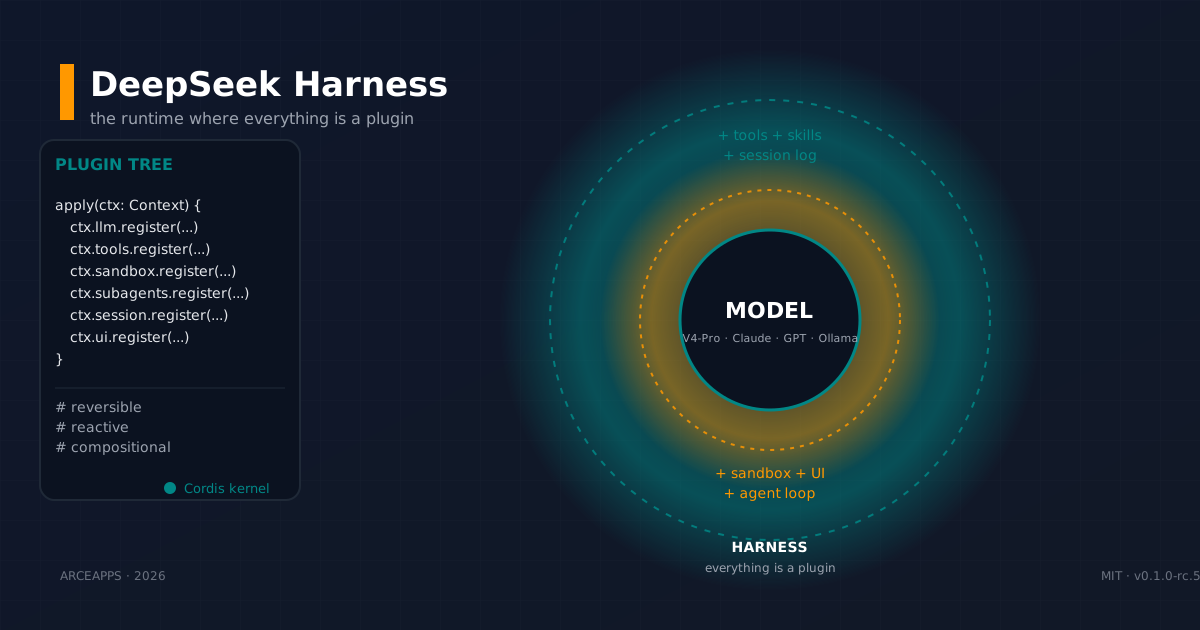
DeepSeek Harness (dsh) is an MIT open-source runtime where model, tools, session, sandbox and even the loop are plugins. Deep-dive into Cordis, runtime modes, append-only session log and self-evolution.
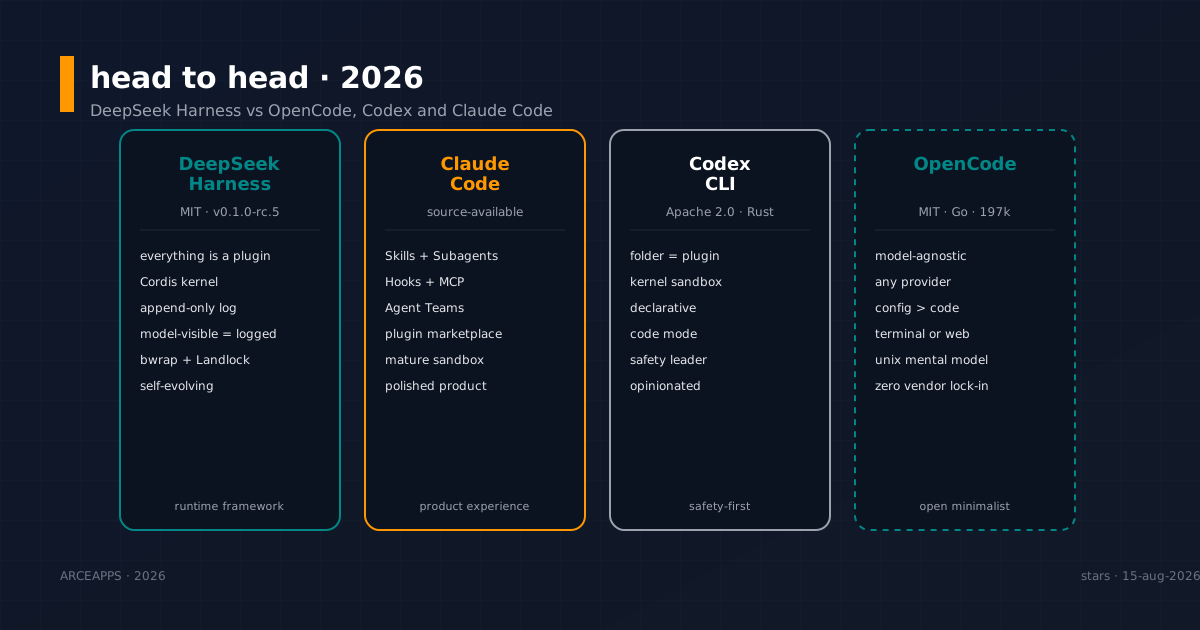
Honest comparison of DeepSeek Harness (dsh), OpenCode, Codex CLI and Claude Code. Philosophy, plugin model, sandbox, ecosystem and who wins each in 2026.
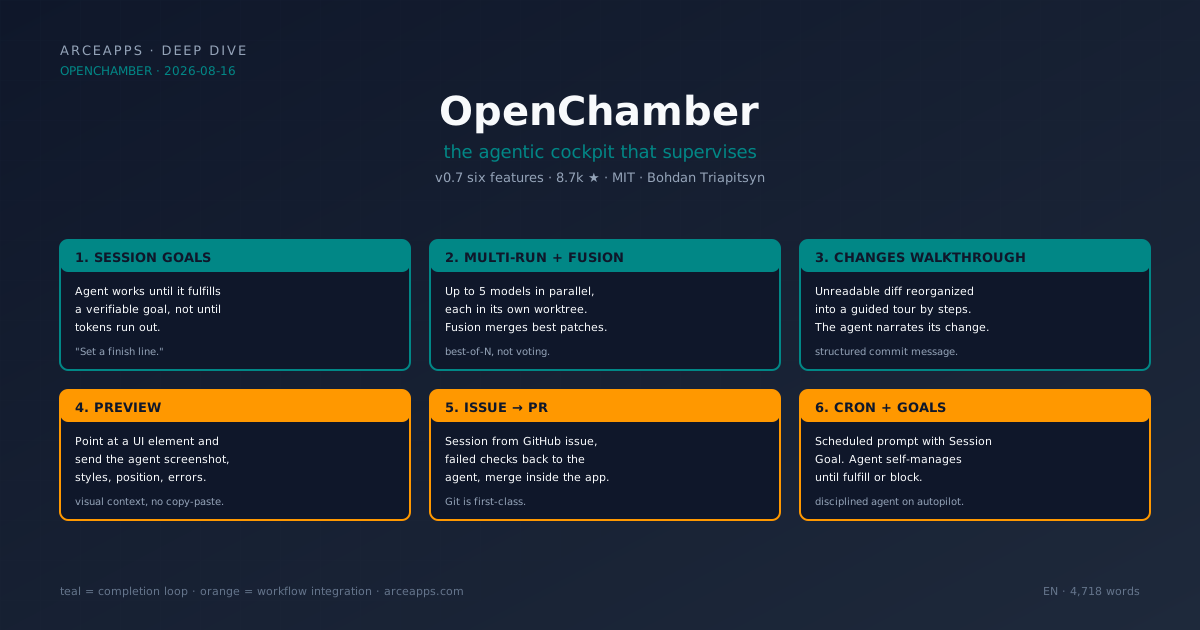
OpenChamber in depth: the 6 features of v0.7 (Session Goals, Multi-run with Fusion, Changes Walkthrough, Preview, issue-to-PR, cron), the supervision architecture around the OpenCode SDK, and the context of Bohdan Triapitsyn building the missing cockpit in the ecosystem.
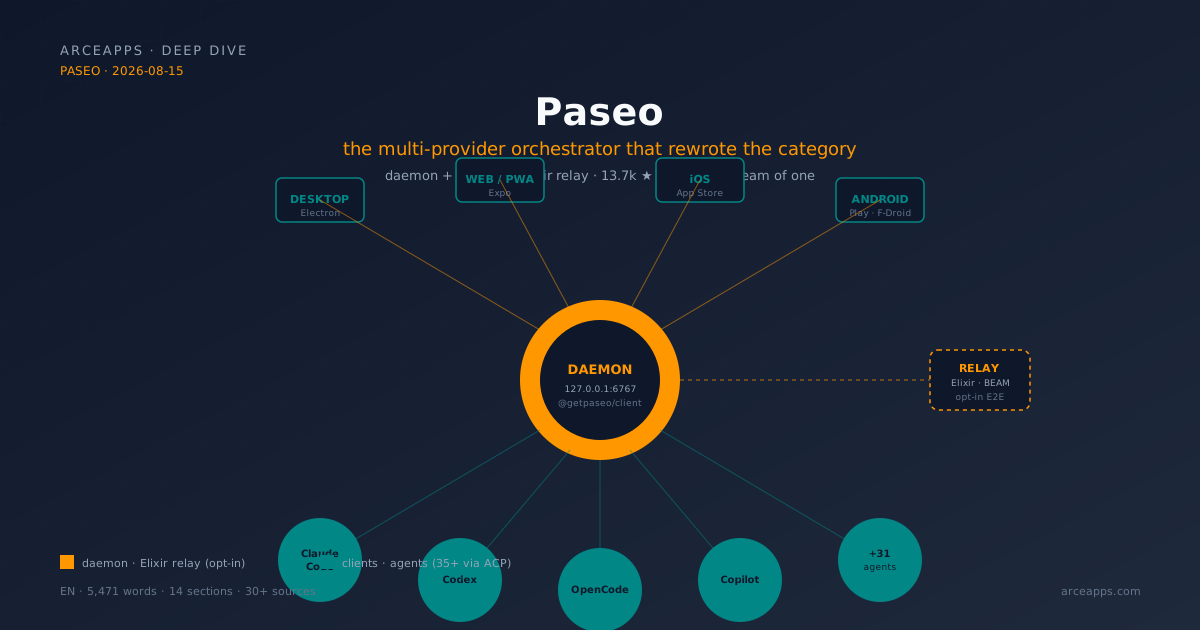
Paseo in depth: daemon+relay architecture in Elixir, 35+ providers via ACP, TypeScript SDK, three skills (Handoff, Advisor, Committee), and RFC #1042 explaining why it migrated to the Agent Client Protocol. A case study of solo open source done right.
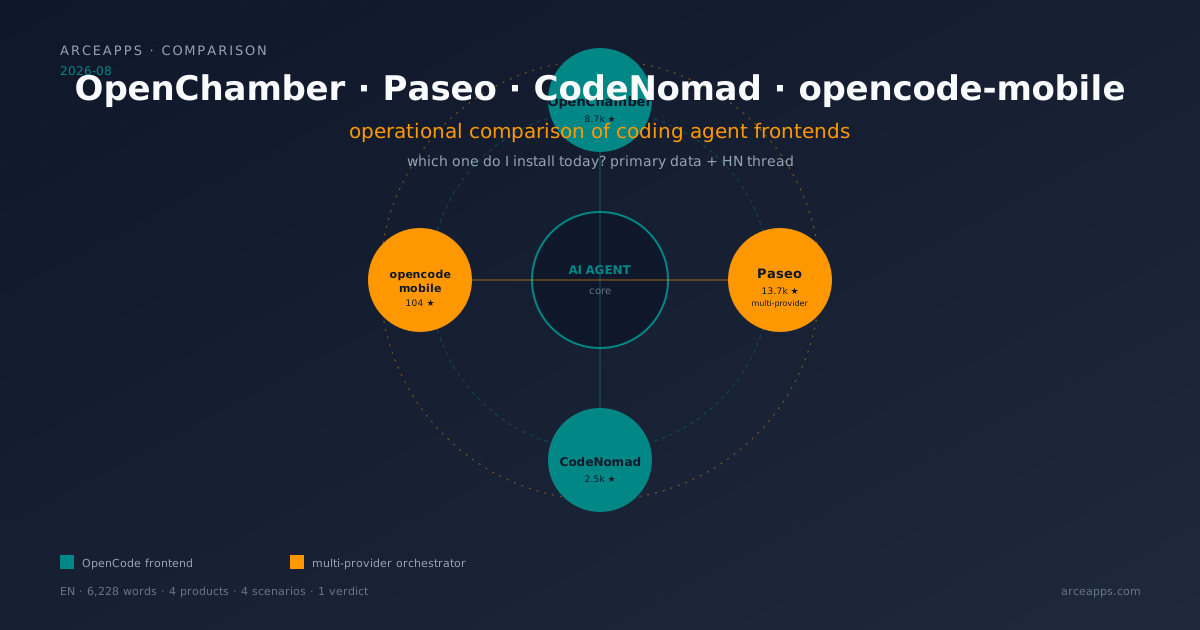
Four visual frontends for coding agents tested on desktop and mobile. Paseo as multi-provider orchestrator, OpenChamber as full cockpit, CodeNomad as premium IDE, opencode-mobile as native Android. Primary data from repos and HN.
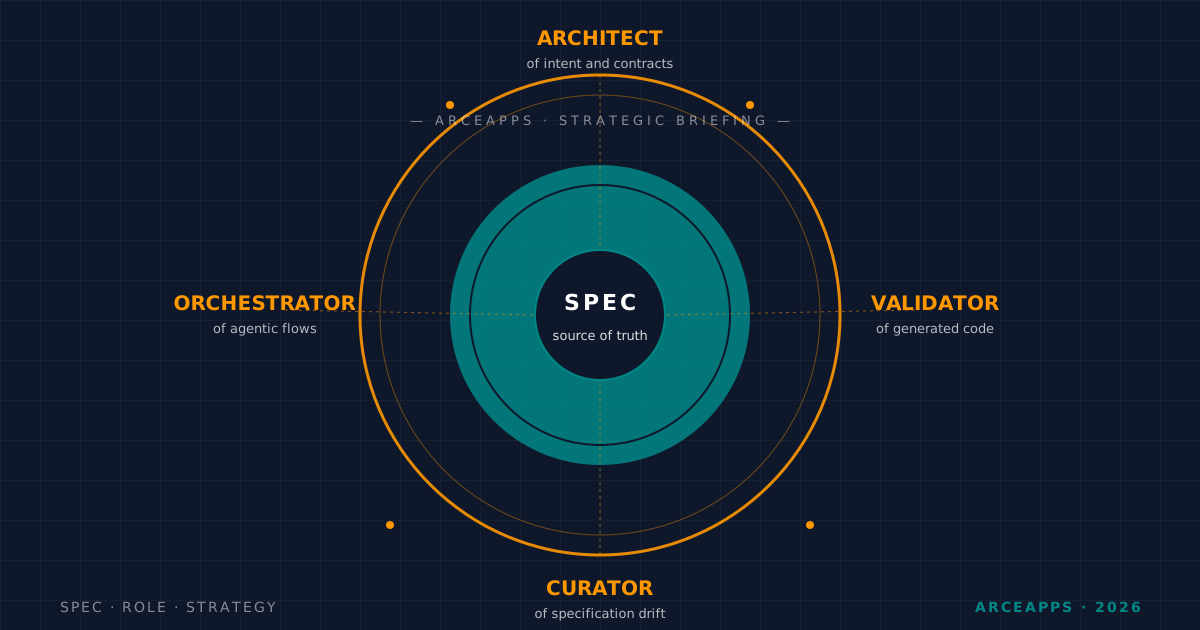
How Spec-Driven Development flips the developer from typist to architect of intent. Inside the 40-60% waste map, the three maturity levels, and the Spec-as-Source role shift that ends vibe coding.
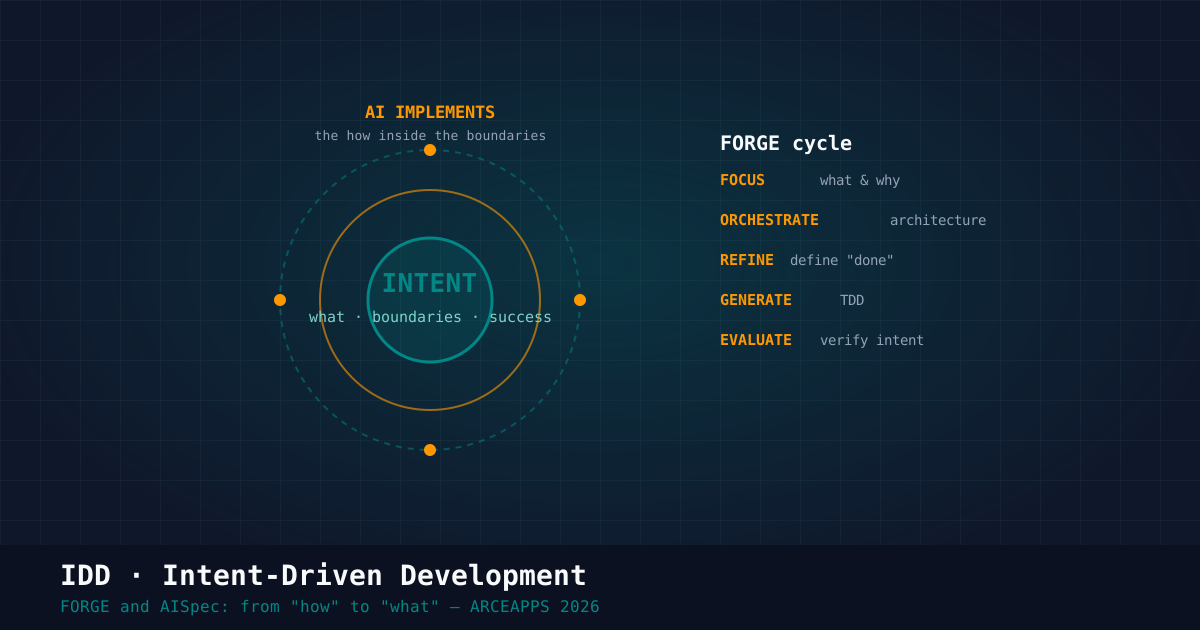
Intent-Driven Development shifts the question from 'how to build' to 'what result we want'. FORGE and AISpec turn your intent into verifiable software. Analysis with examples.
The dark factory takes AI agent autonomy to the extreme: code that writes, tests and ships without human review. Real cases, infrastructure and risks.
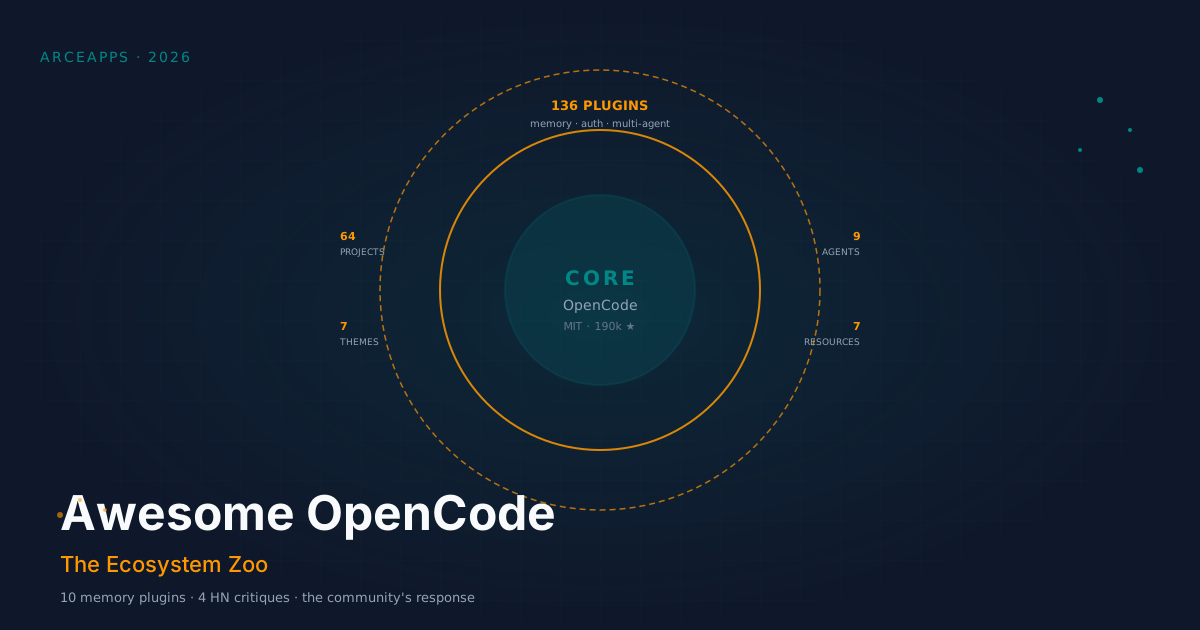
A curated map of the OpenCode ecosystem in 2026: 10 persistent-memory plugins no blog has shown you, 4 real Hacker News critiques, and the indie community's defensive response.
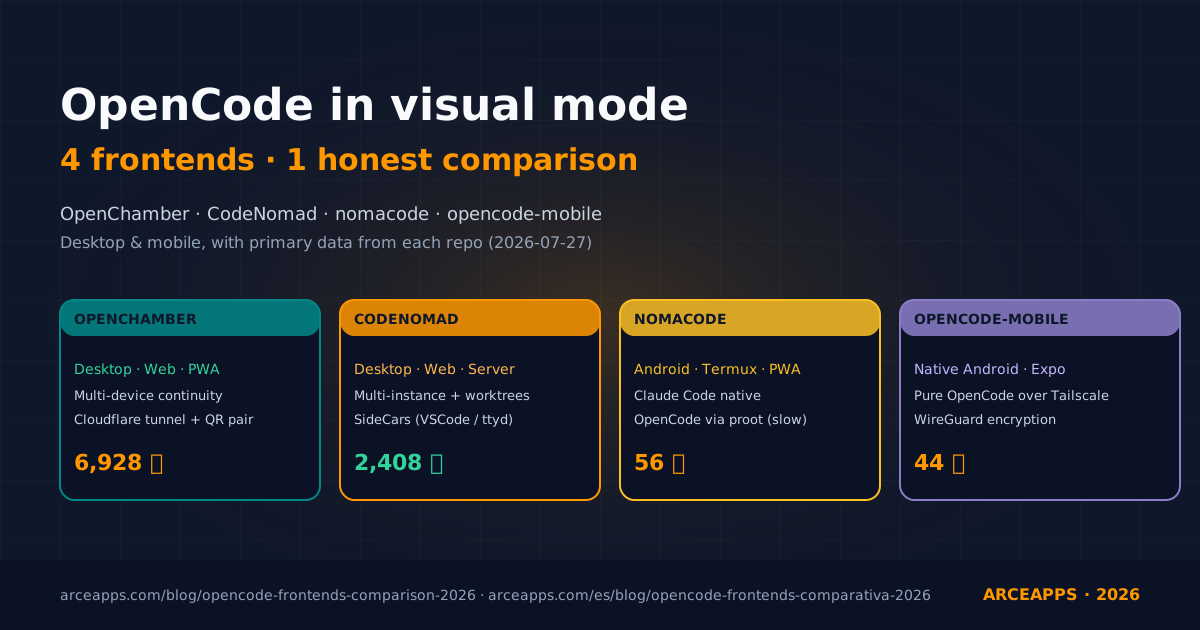
Four visual clients for OpenCode put through real work on desktop and mobile. We compare install, day-to-day feel, remote access setup, and the parts each one still falls short on, with primary data from their own repos.
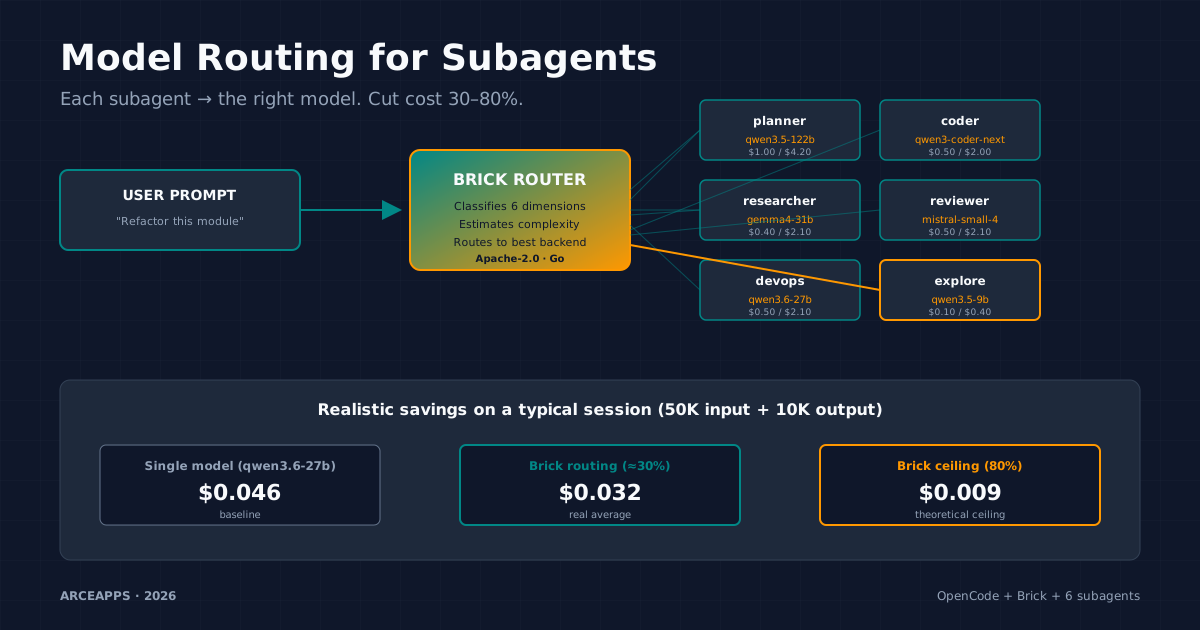
Route each subagent to the right model: explore to 9B, planner to 122B. Brick, OpenCode-subagent-router, and a DIY hook compared with real cost math.
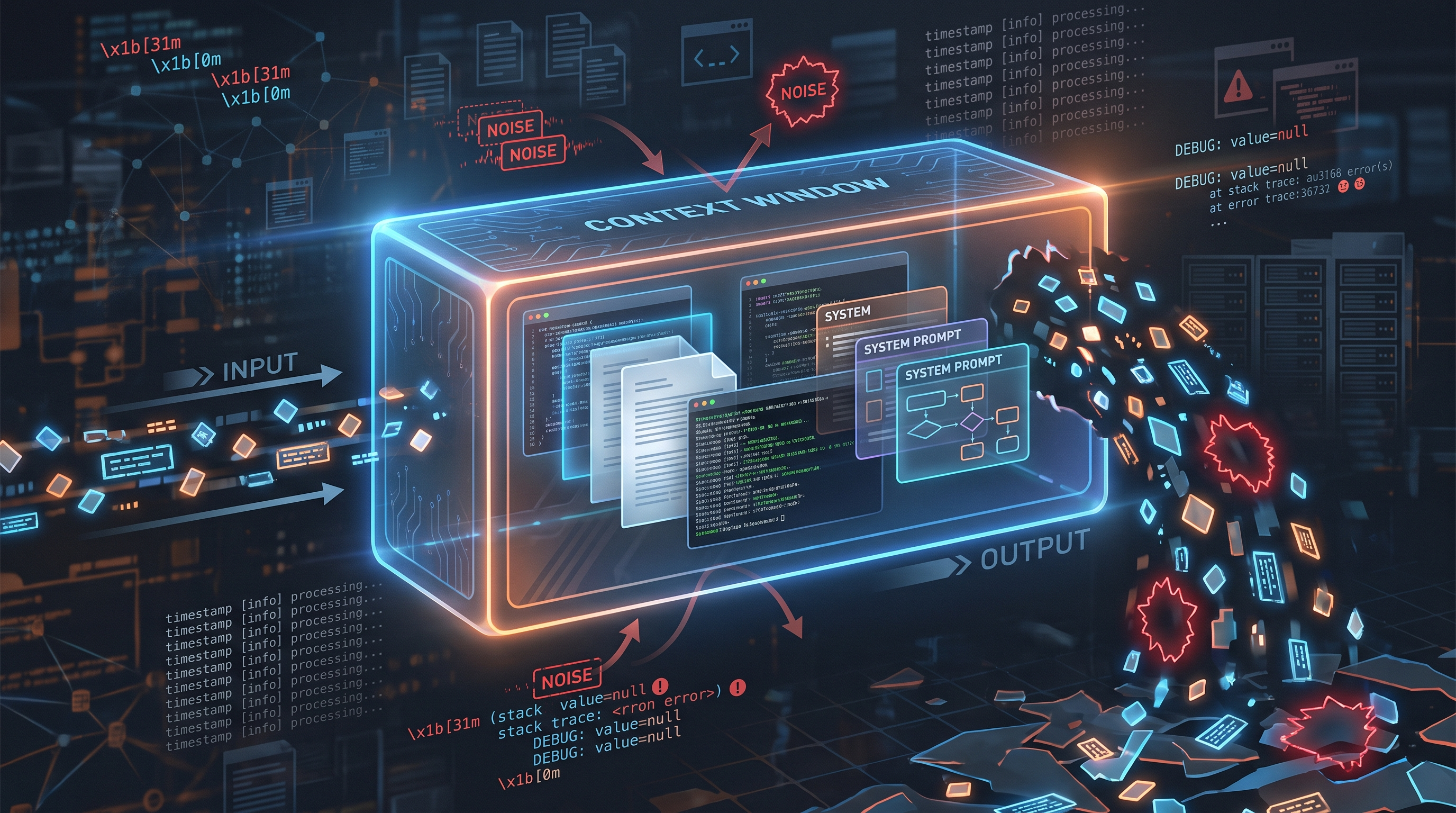
RTK and Caveman promise 60-90% token cuts in agents. I measure both with real data: JetBrains' 8.5% finding, a 614M-token replay and the output-vs-prose gap.
HyperFrames vs Remotion 2026: the definitive technical comparison for AI agent video. React vs HTML, licensing, benchmarks, and Agent Skills.
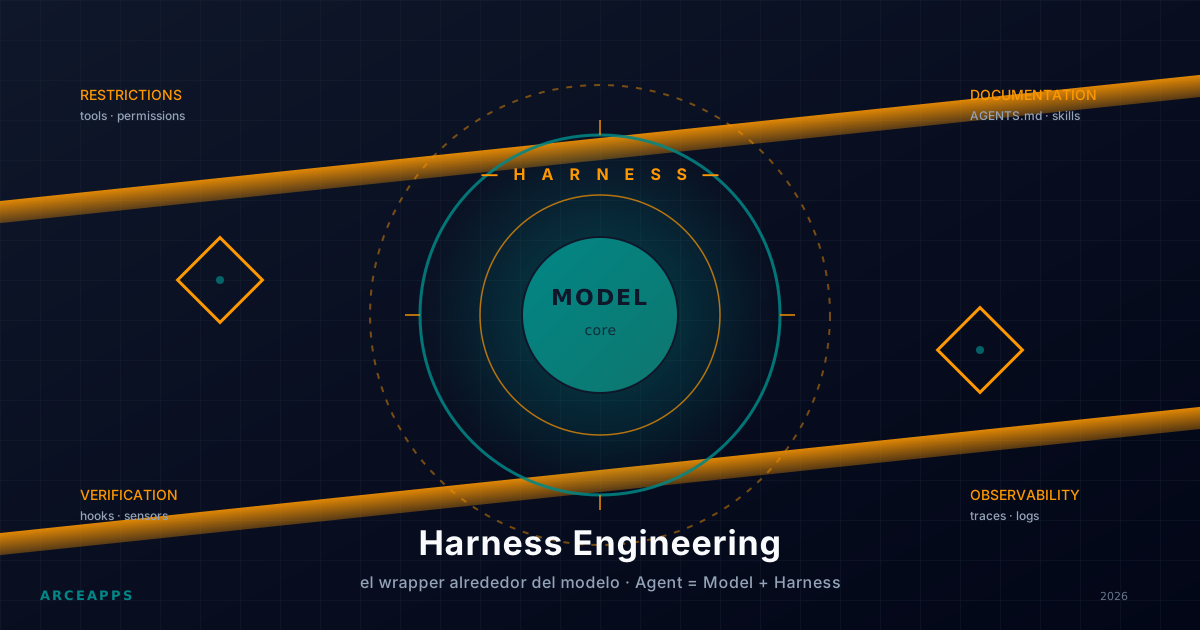
Harness Engineering explained: why the wrapper (tools, memory, guardrails) makes agents productive. Definition, anatomy, and real indie application.
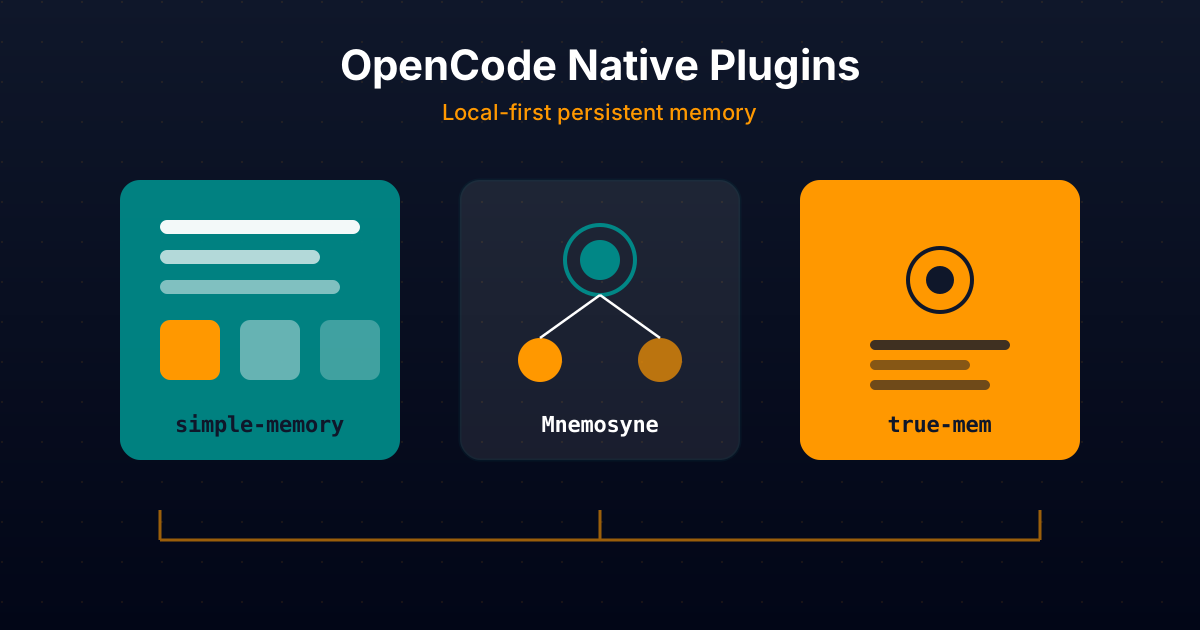
Comparative technical analysis of three native OpenCode plugins to give your AI agent persistent local memory: simple-memory (logfmt), Mnemosyne (offline Go binary), and true-mem (cognitive psychology).
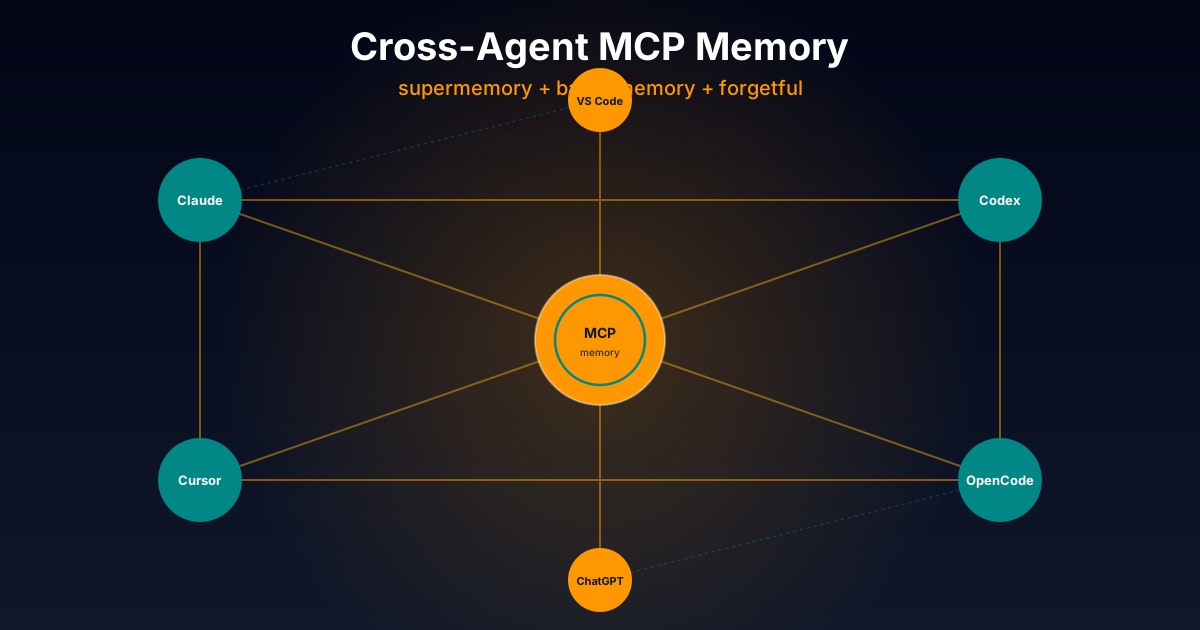
Exhaustive technical comparison of three cross-platform MCP servers to give AI agents persistent memory: opencode-supermemory (cloud), basic-memory (Markdown + graph), and forgetful (atomic Zettelkasten). Works with Claude Code, Codex, Cursor and more.
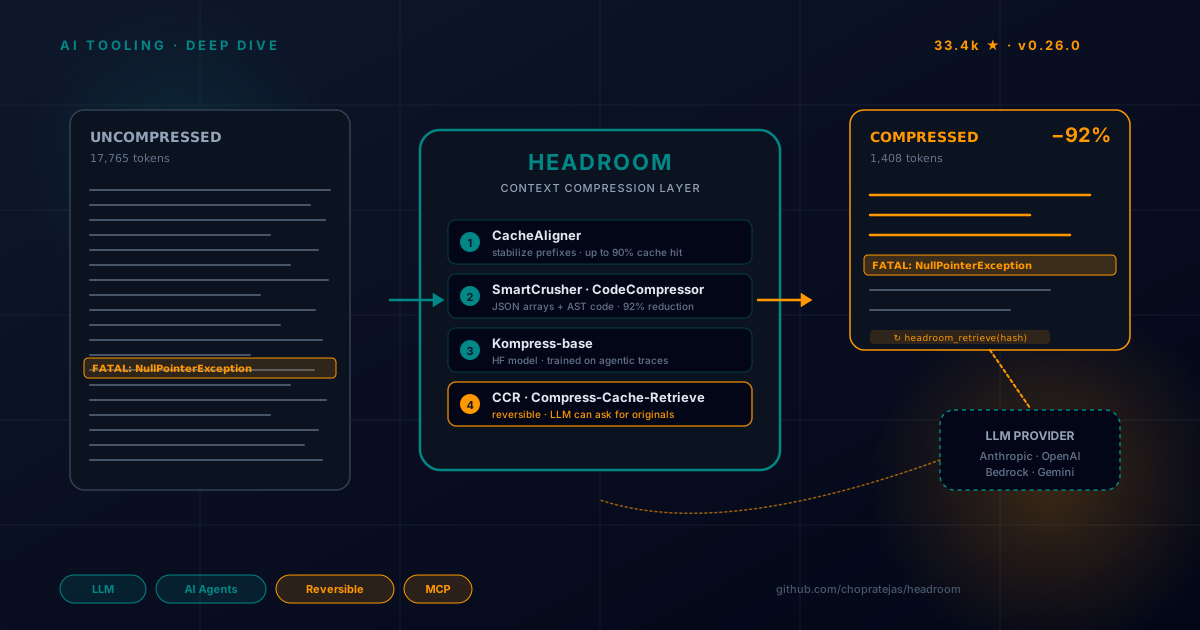
Deep dive into Headroom, the open-source project (33.4k ⭐) that promises 60-95% token reduction on what you send to an LLM without losing accuracy. We test its 6 algorithms, its reversible CCR, and its proxy mode, and compare it to the rest of the ecosystem.
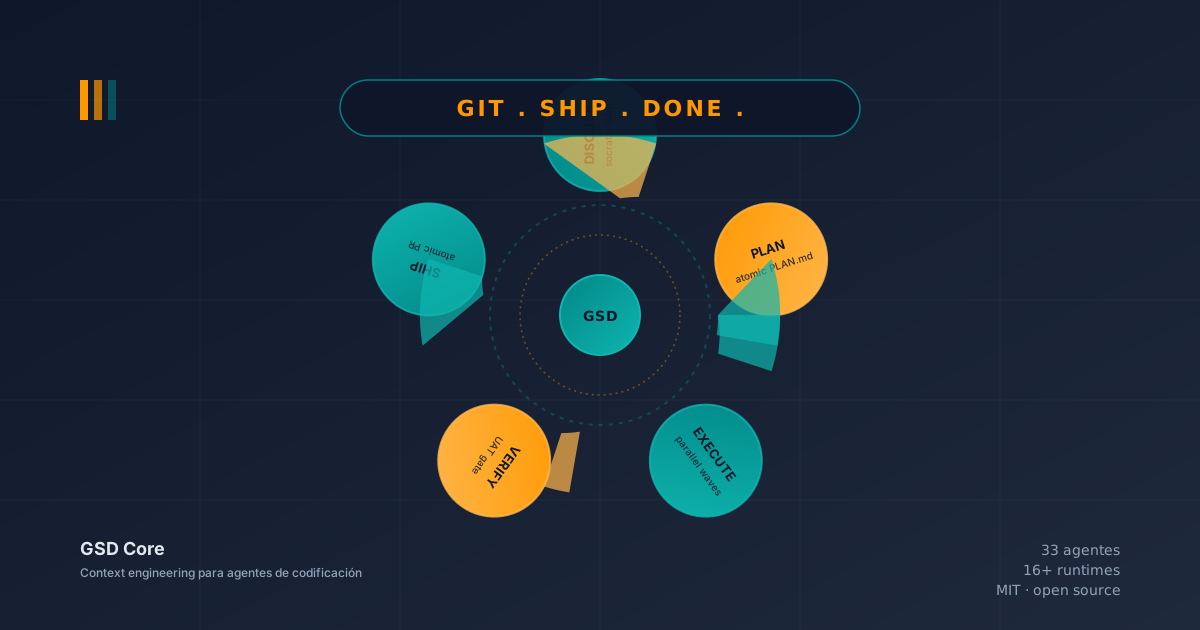
Deep dive into GSD Core (formerly Get Shit Done): 33 agents, wave execution, 200K fresh context per subagent, and the Discuss→Plan→Execute→Verify→Ship phase loop. How to install it, when to use it, and when not to.