
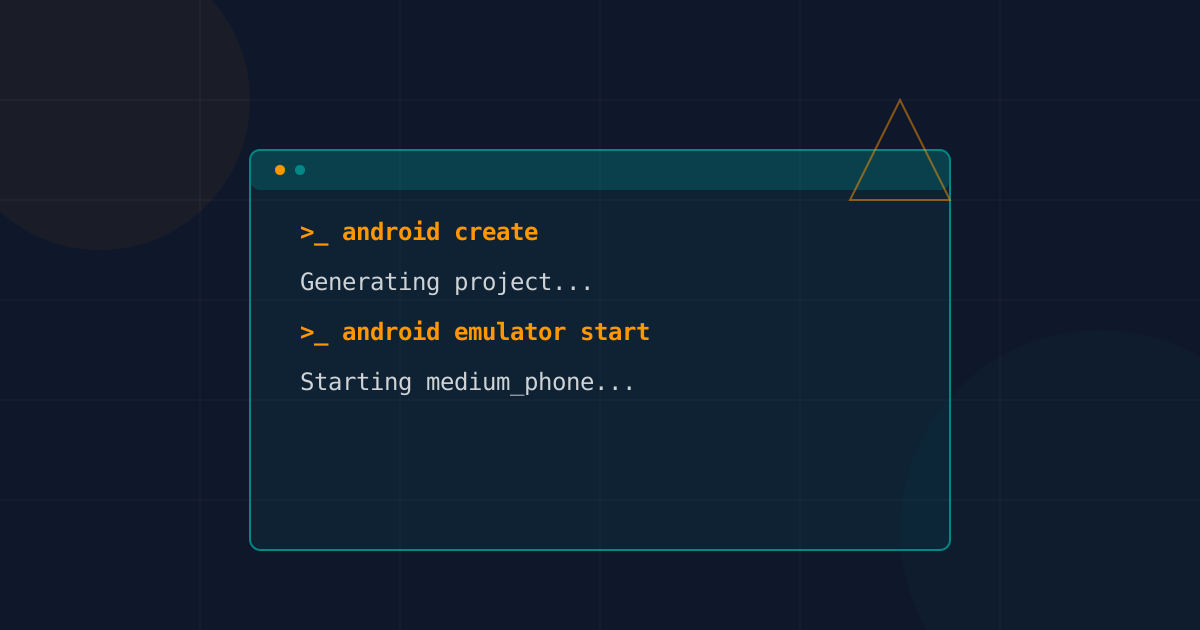
Android June 21, 2026
Android CLI: Accelerating Development with AI Agents
Discover how the new Android CLI is redefining the mobile ecosystem, allowing AI agents to build apps up to three times faster.
Read more
Tutorials, guides and technical articles.
Discover how the new Android CLI is redefining the mobile ecosystem, allowing AI agents to build apps up to three times faster.

Discover how skydoves' Compose Navigation Graph plugin transforms Jetpack Compose's imperative navigation code into a living, visual, and interactive map.
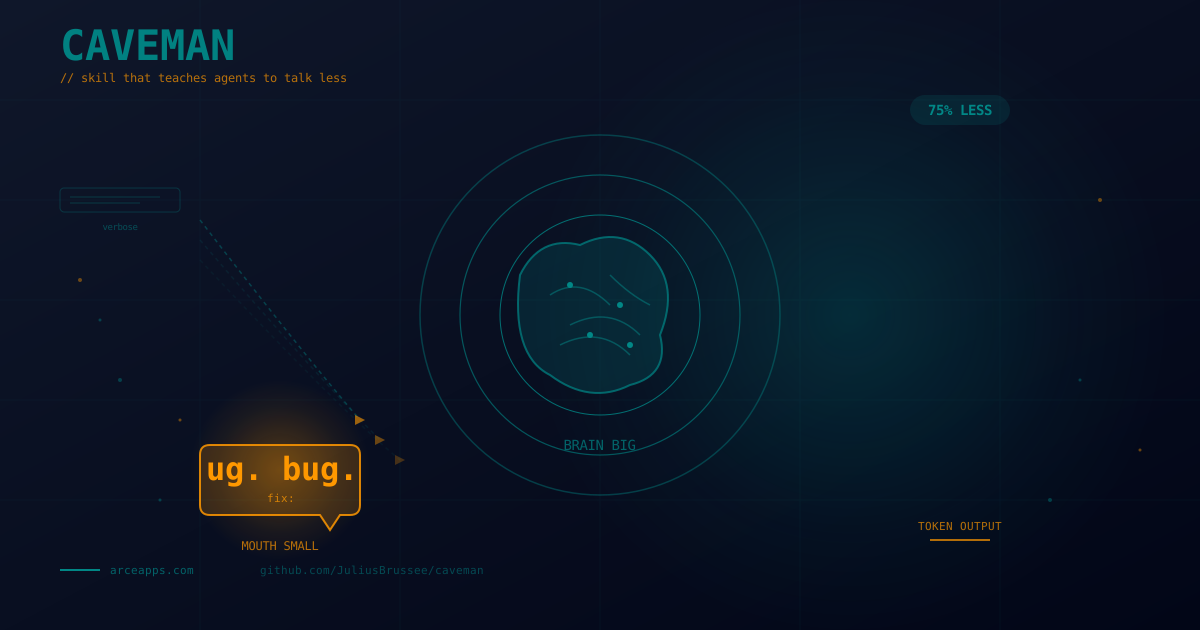
Caveman teaches AI agents to talk like cavemen. Julius Brussee's viral skill claims 75% fewer tokens — real Reddit measurements and the brutal verdict.
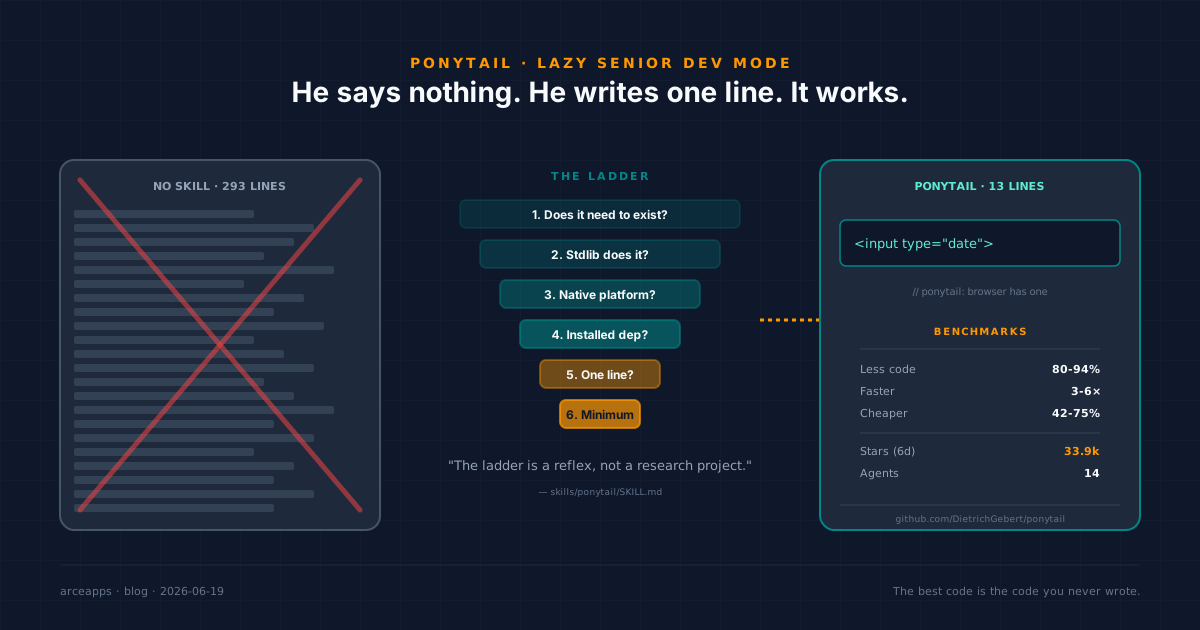
34k stars in six days. A skill that forces Claude Code, Codex, Cursor and friends to walk a six-rung ladder before writing a single line. 80-94% less code, but is it really that good? A deep technical analysis and honest comparison.
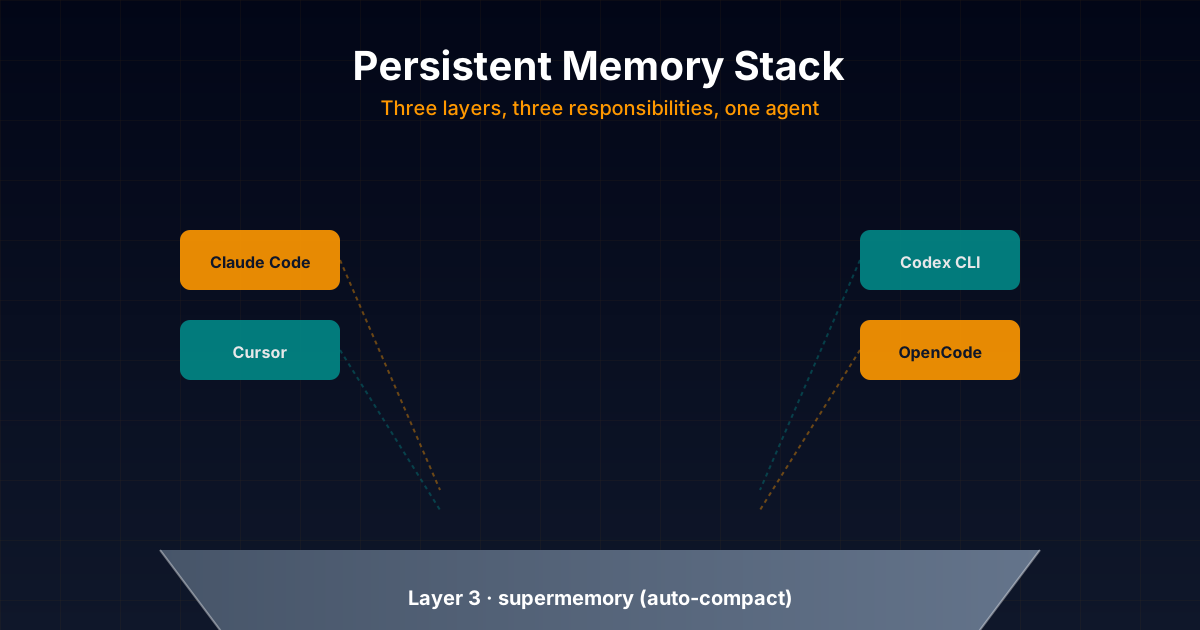
Honest technical deep dive into the persistent memory stack I combine daily in my projects: opencode-supermemory for auto-compact, basic-memory as main memory with Markdown + graph, and forgetful as procedural skills layer. With real configuration examples for Claude Code, Codex,
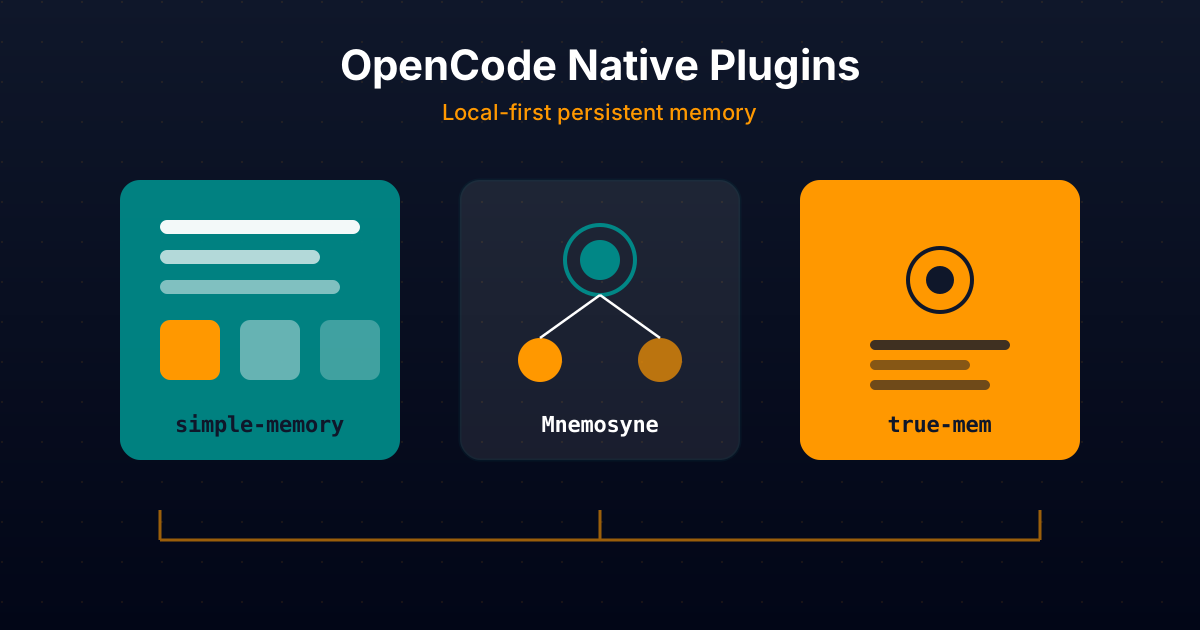
Comparative technical analysis of three native OpenCode plugins to give your AI agent persistent local memory: simple-memory (logfmt), Mnemosyne (offline Go binary), and true-mem (cognitive psychology).