
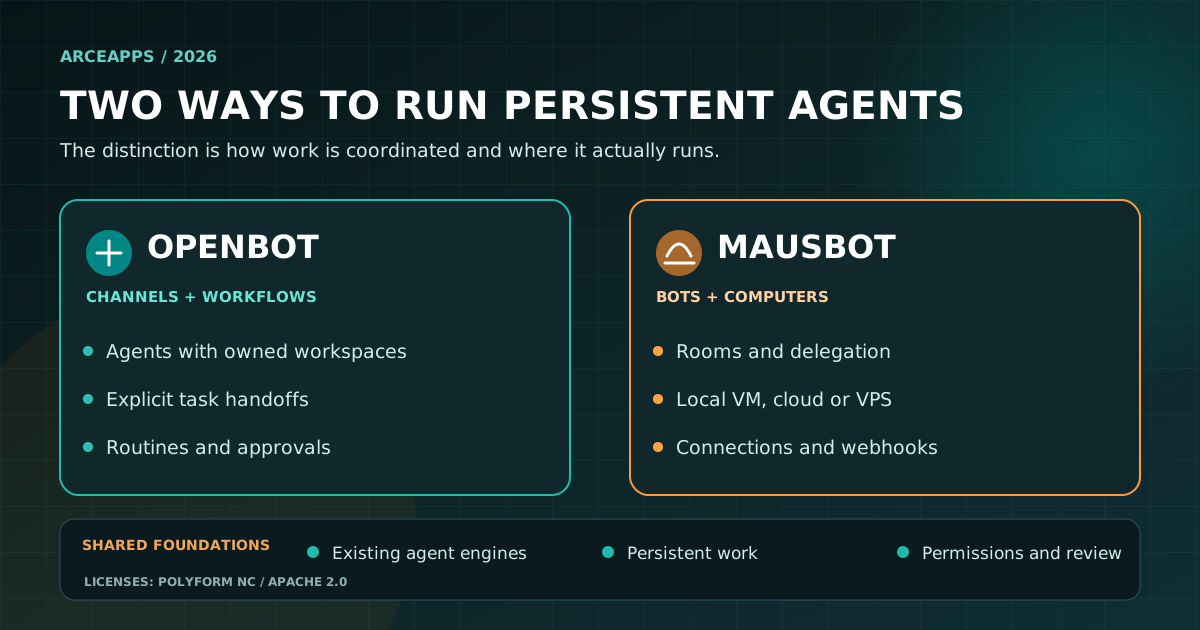
OpenBot November 19, 2026
OpenBot vs MausBot: The New Era of AI Assistants
Compare OpenBot and MausBot through practical developer workflows, persistent agents, automations, permissions and licensing to pick the right AI workspace.
Read more
16 articles found
Compare OpenBot and MausBot through practical developer workflows, persistent agents, automations, permissions and licensing to pick the right AI workspace.
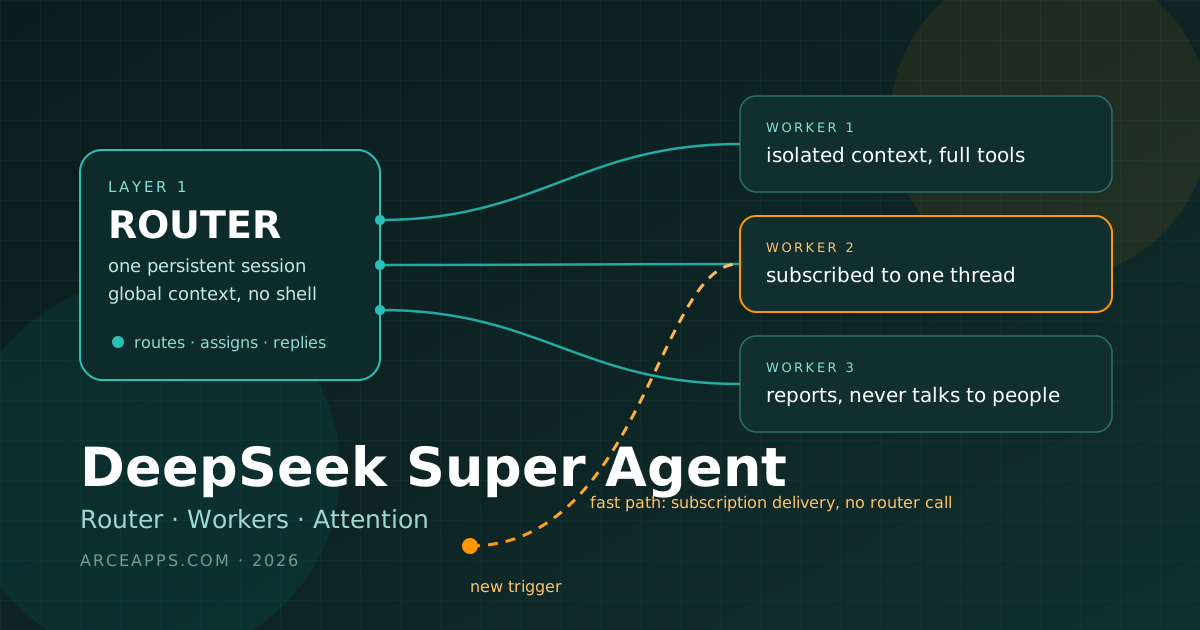
DeepSeek's Super Agent ships as an MIT prototype: one Router, many isolated Workers. What it does, what its numbers show and what it costs to run.
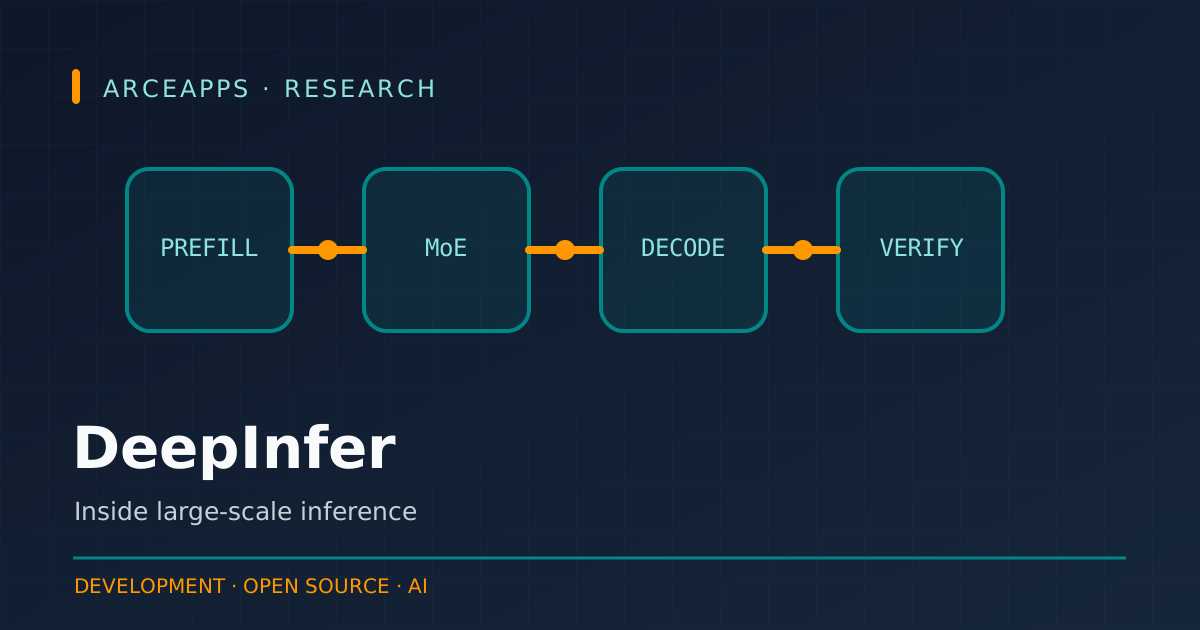
Explore DeepInfer from DeepSeek: optimized kernels, MoE parallelism, deterministic inference, hardware requirements, and self-hosting limitations.
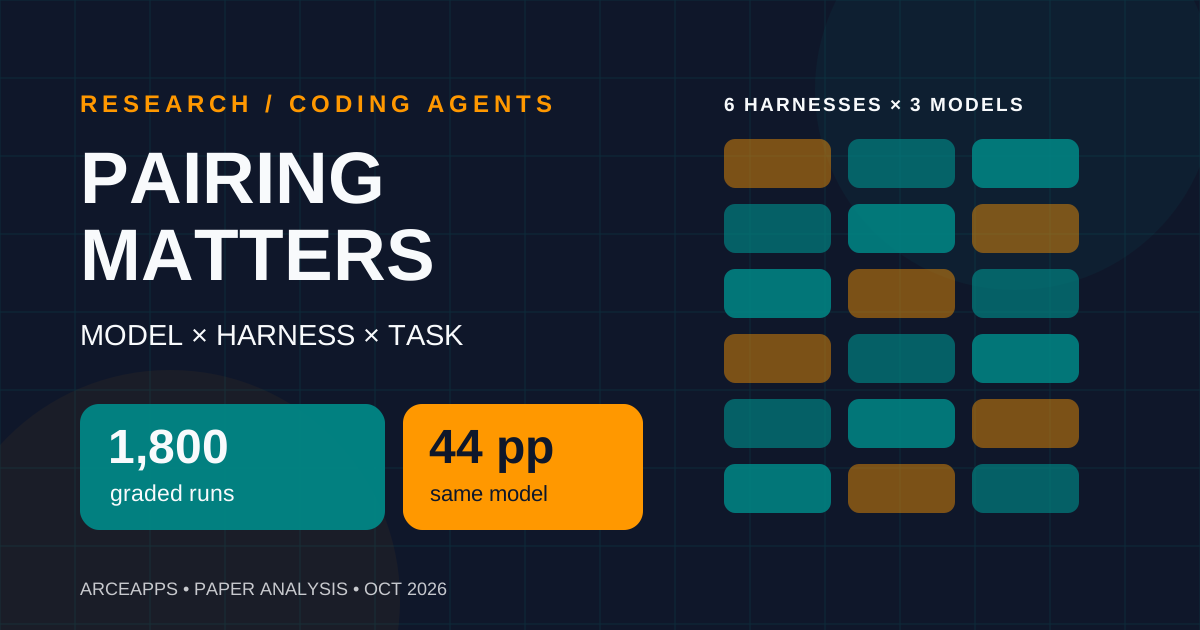
Explore Pairing Matters and its 1,800 coding-agent runs: compare models and harnesses, understand failure modes, and measure useful token efficiency.
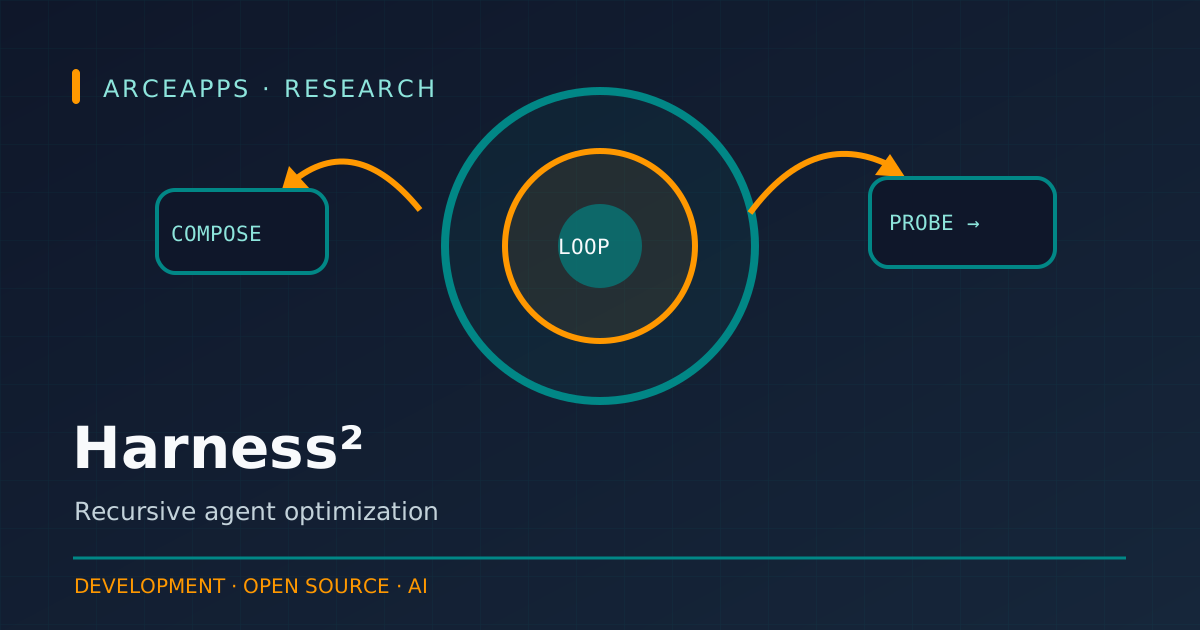
Understand Harness² from Google Research: recursive harness optimization, benchmark results, security limitations, and practical lessons for coding agents.
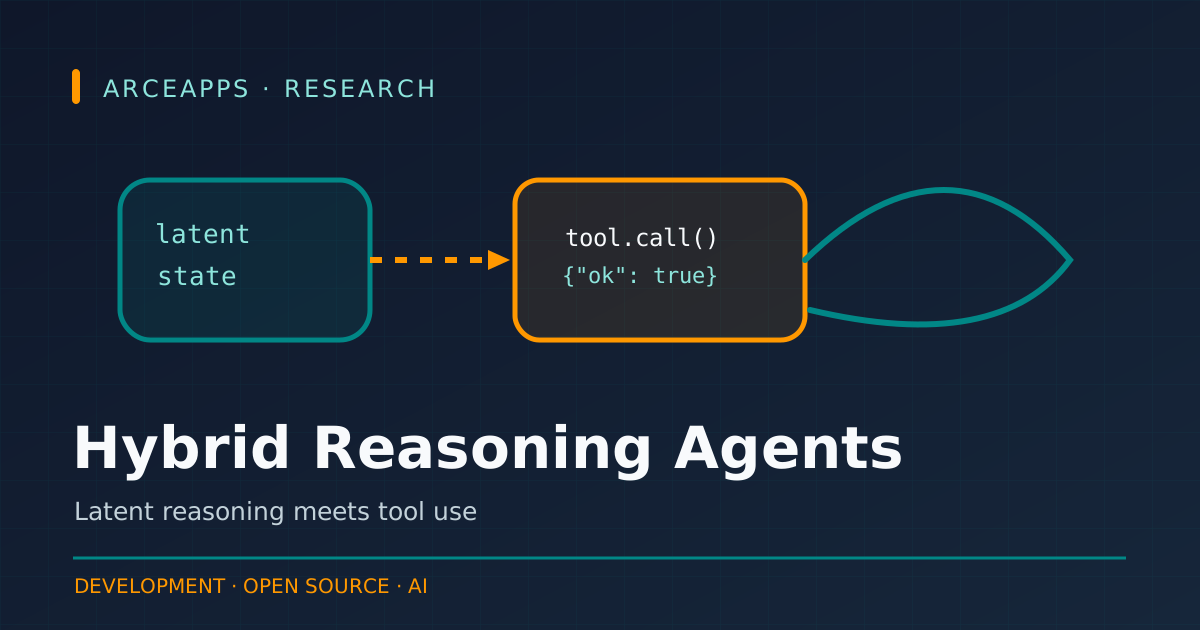
Explore Hybrid Reasoning Agents: how latent reasoning, continuous working memory, and tools fit together, plus reported gains and practical limitations.

Explore DeepSeek Harness Desktop, its plugin architecture, automation, installation, privacy controls and practical trade-offs for indie developers.
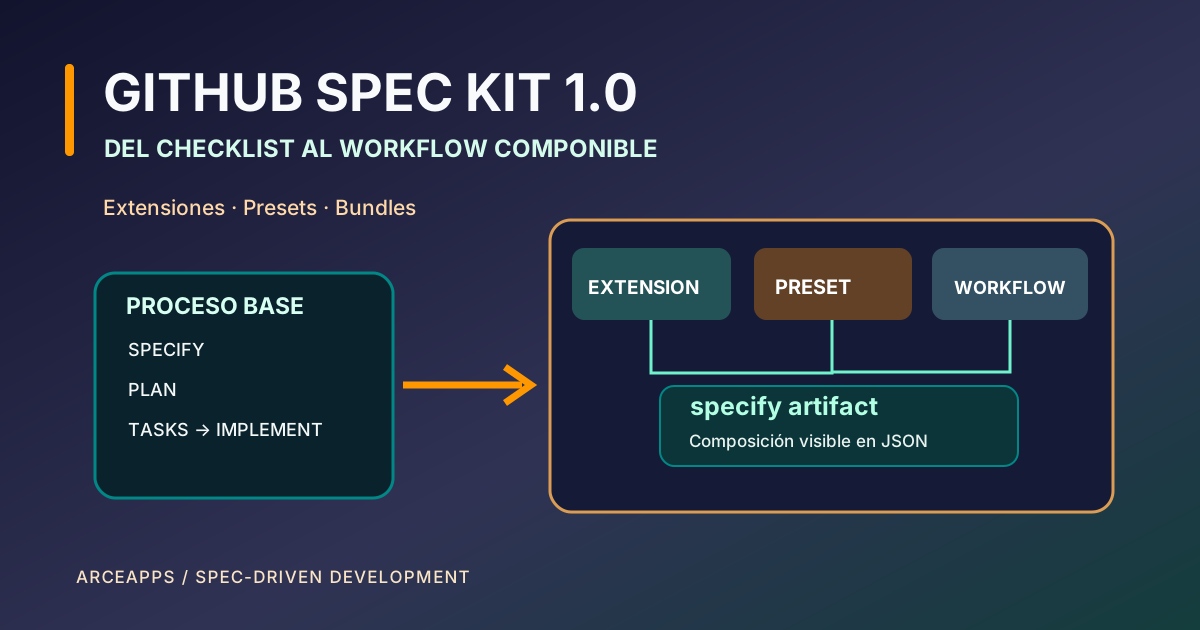
Explore GitHub Spec Kit 1.0 extensions, presets, workflows and artifact introspection. Learn when its modular SDD tools help and when they add overhead.
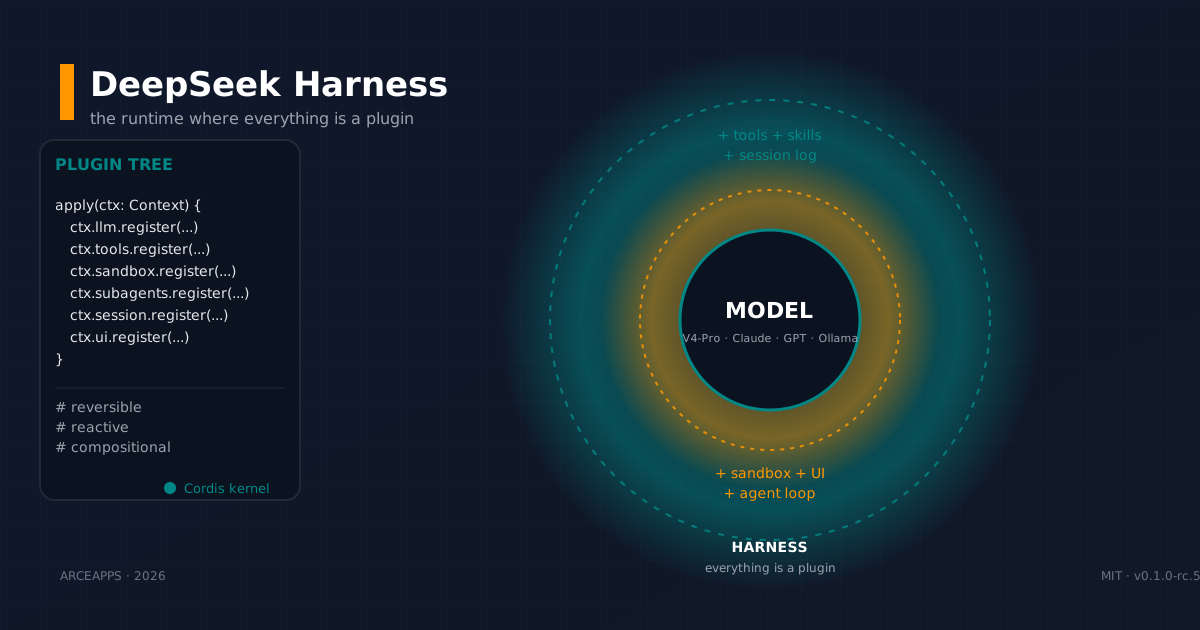
DeepSeek Harness (dsh) is an MIT open-source runtime where model, tools, session, sandbox and even the loop are plugins. Deep-dive into Cordis, runtime modes, append-only session log and self-evolution.

We analyze the top 10 open-source and community AI coding assistants and IDEs. Discover why OpenCode and Hermes lead this tournament semifinal.

We compare 10 AI CLI tools in 2026: Claude Code, Cline, Vibe, Kimi, Pi, and more. Detailed specs, actual API costs, skill compliance, and final verdict.

Deep dive into GSD Core (formerly Get Shit Done): 33 agents, wave execution, 200K fresh context per subagent, and the Discuss→Plan→Execute→Verify→Ship phase loop. How to install it, when to use it, and when not to.

Discover NanoStack, the open-source, zero-dependency framework that transforms any AI coding agent into a complete engineering team. Compatible with Claude Code, Gemini CLI, OpenAI Codex, Cursor, and more.

A technical deep-dive into Hipocampus, a drop-in memory harness for AI agents that uses a 3-tier Hot/Warm/Cold architecture and a 5-level compaction tree. How ROOT.md enables constant-cost memory awareness and how it compares to hmem, Mem0, and Letta.

A technical deep-dive into hmem (Humanlike Memory), an MCP server that models human memory in five lazy-loaded levels backed by SQLite + FTS5. How Fibonacci decay, logarithmic aging, and a curator agent solve the context window problem across sessions and machines.

How to deploy Clawdbot on Android. A self-hosted, open-source AI assistant that respects your privacy. Architecture and setup guide.