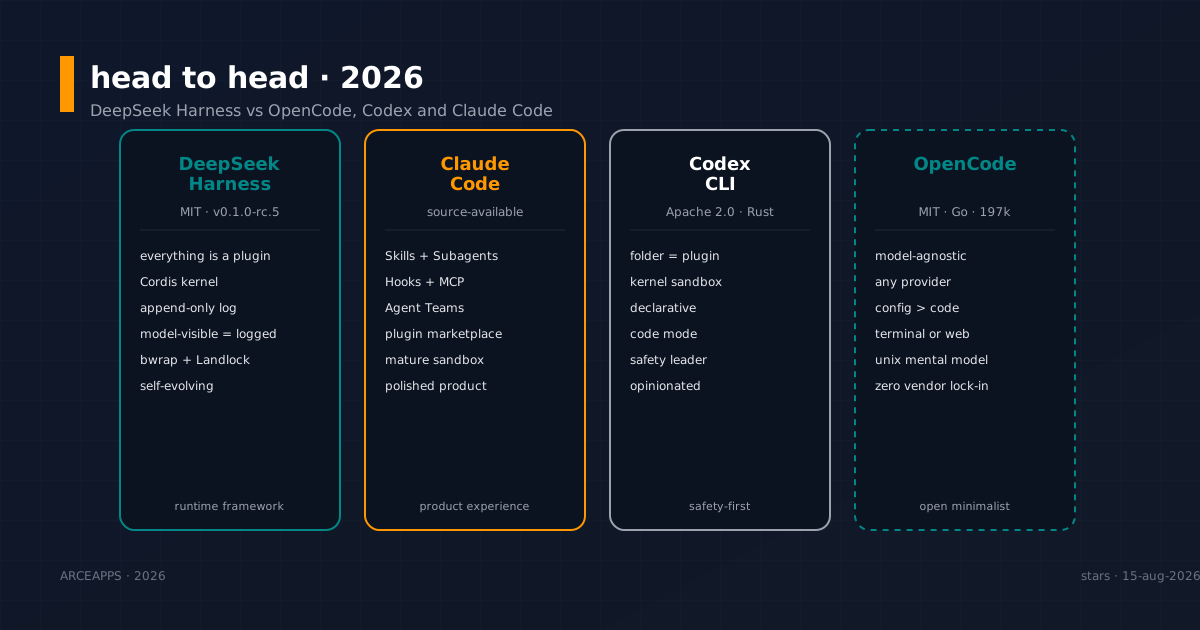
DeepSeek Harness vs OpenCode, Codex and Claude Code: head to head
Honest comparison of DeepSeek Harness (dsh), OpenCode, Codex CLI and Claude Code. Philosophy, plugin model, sandbox, ecosystem and who wins each in 2026.
15 articles found
Honest comparison of DeepSeek Harness (dsh), OpenCode, Codex CLI and Claude Code. Philosophy, plugin model, sandbox, ecosystem and who wins each in 2026.
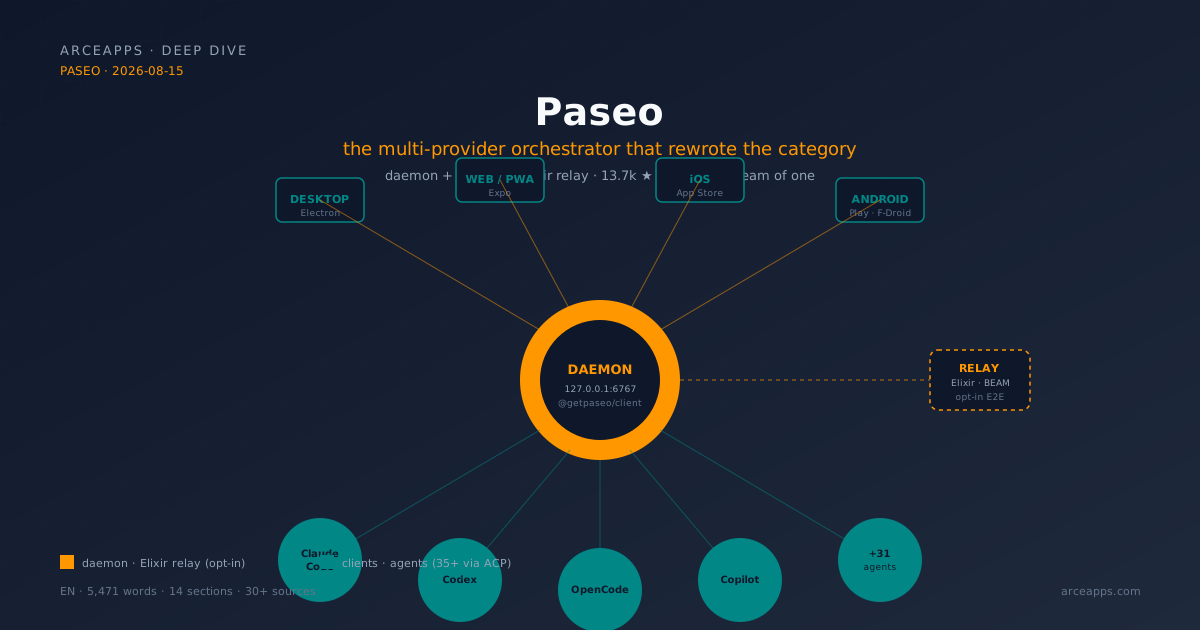
Paseo in depth: daemon+relay architecture in Elixir, 35+ providers via ACP, TypeScript SDK, three skills (Handoff, Advisor, Committee), and RFC #1042 explaining why it migrated to the Agent Client Protocol. A case study of solo open source done right.
RTK and Caveman promise 60-90% token cuts in agents. I measure both with real data: JetBrains' 8.5% finding, a 614M-token replay and the output-vs-prose gap.
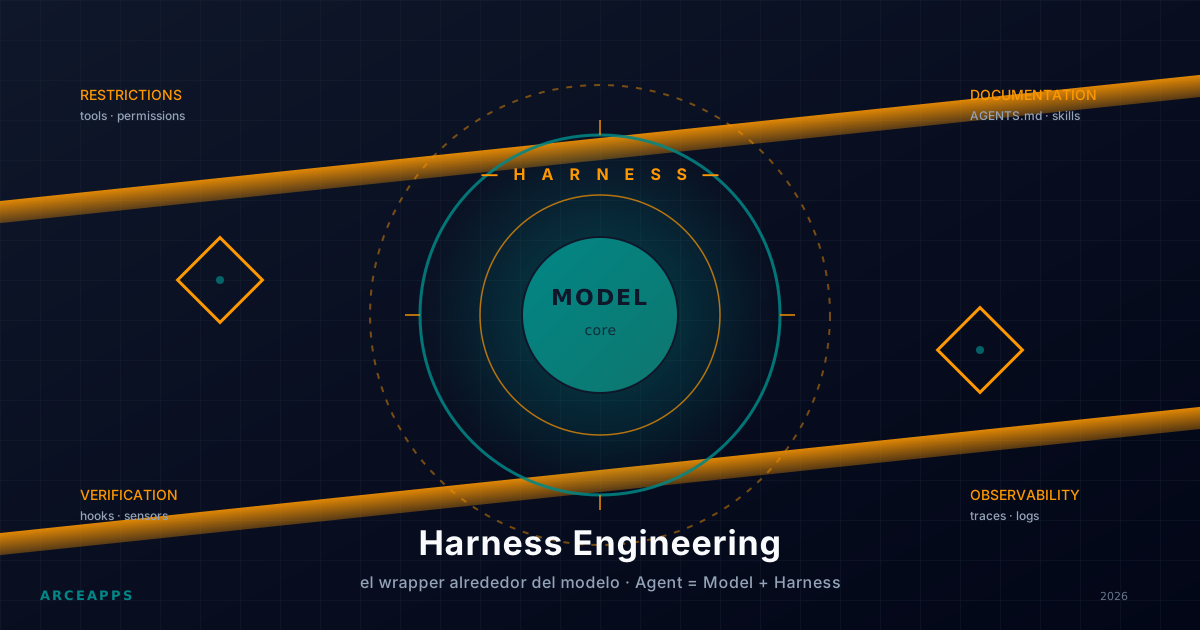
Harness Engineering explained: why the wrapper (tools, memory, guardrails) makes agents productive. Definition, anatomy, and real indie application.
The Grand Final of the AI CLI 2026 tournament. We compare OpenCode, OpenAI Codex, Claude Code, and Hermes Agent to find the ultimate champion for indie developers.
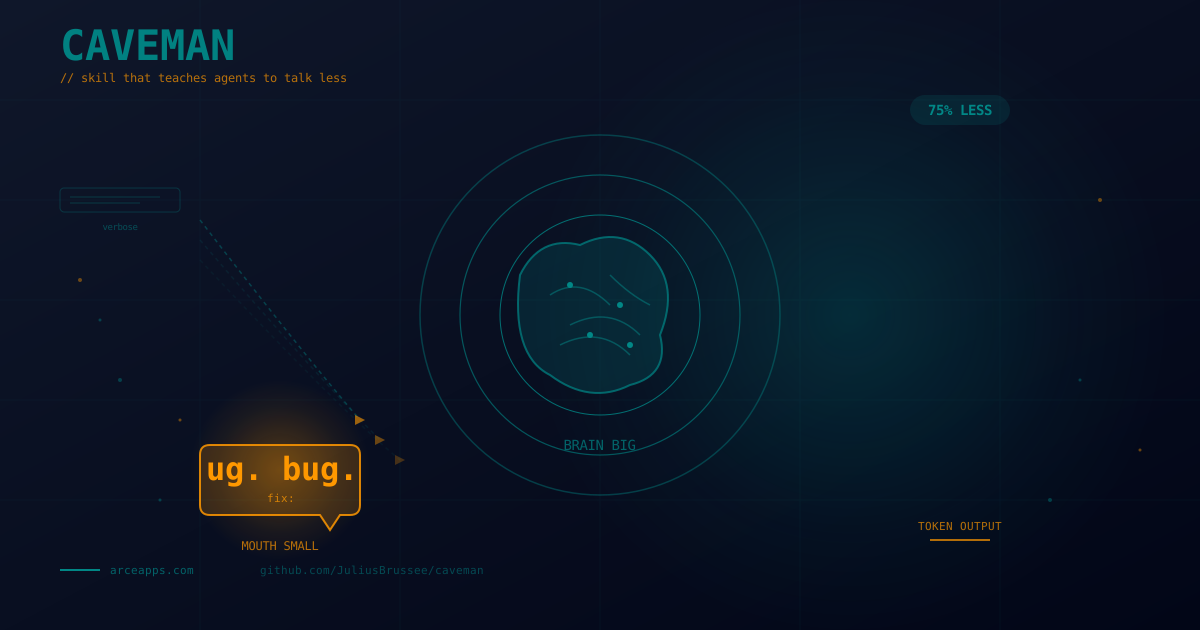
Caveman teaches AI agents to talk like cavemen. Julius Brussee's viral skill claims 75% fewer tokens — real Reddit measurements and the brutal verdict.
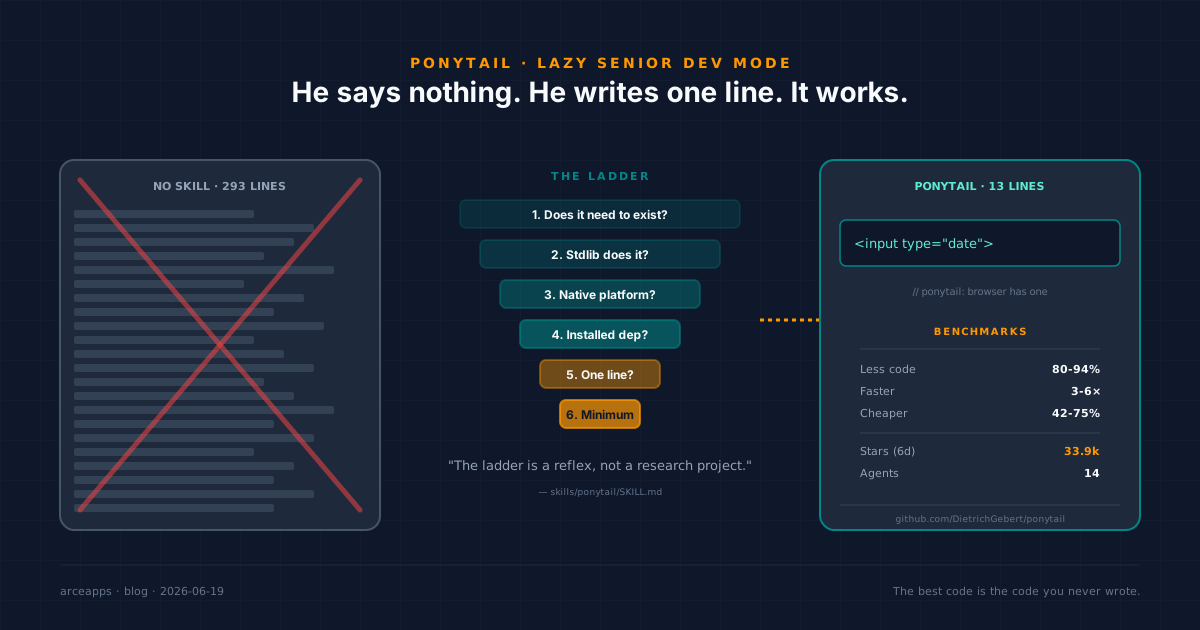
34k stars in six days. A skill that forces Claude Code, Codex, Cursor and friends to walk a six-rung ladder before writing a single line. 80-94% less code, but is it really that good? A deep technical analysis and honest comparison.
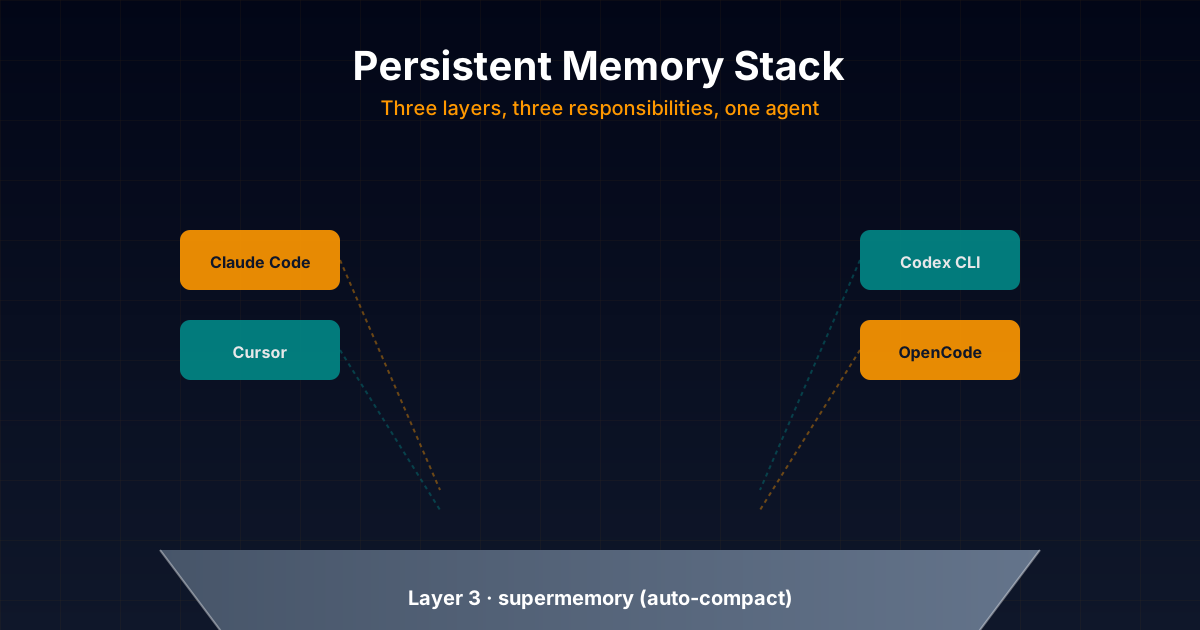
Honest technical deep dive into the persistent memory stack I combine daily in my projects: opencode-supermemory for auto-compact, basic-memory as main memory with Markdown + graph, and forgetful as procedural skills layer. With real configuration examples for Claude Code, Codex,
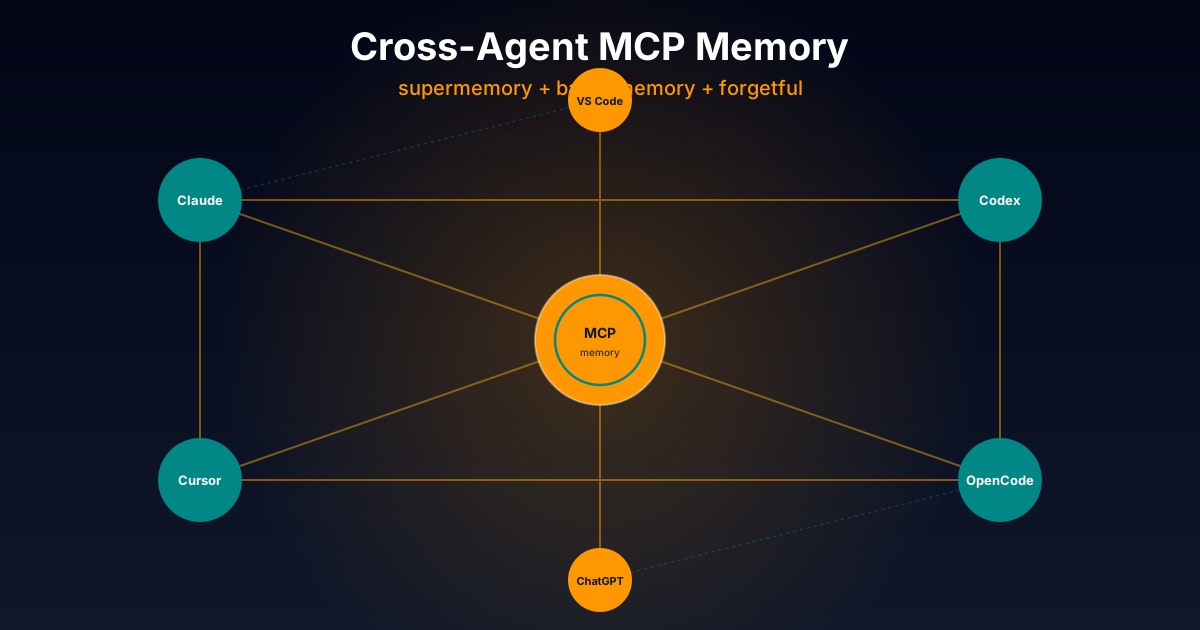
Exhaustive technical comparison of three cross-platform MCP servers to give AI agents persistent memory: opencode-supermemory (cloud), basic-memory (Markdown + graph), and forgetful (atomic Zettelkasten). Works with Claude Code, Codex, Cursor and more.
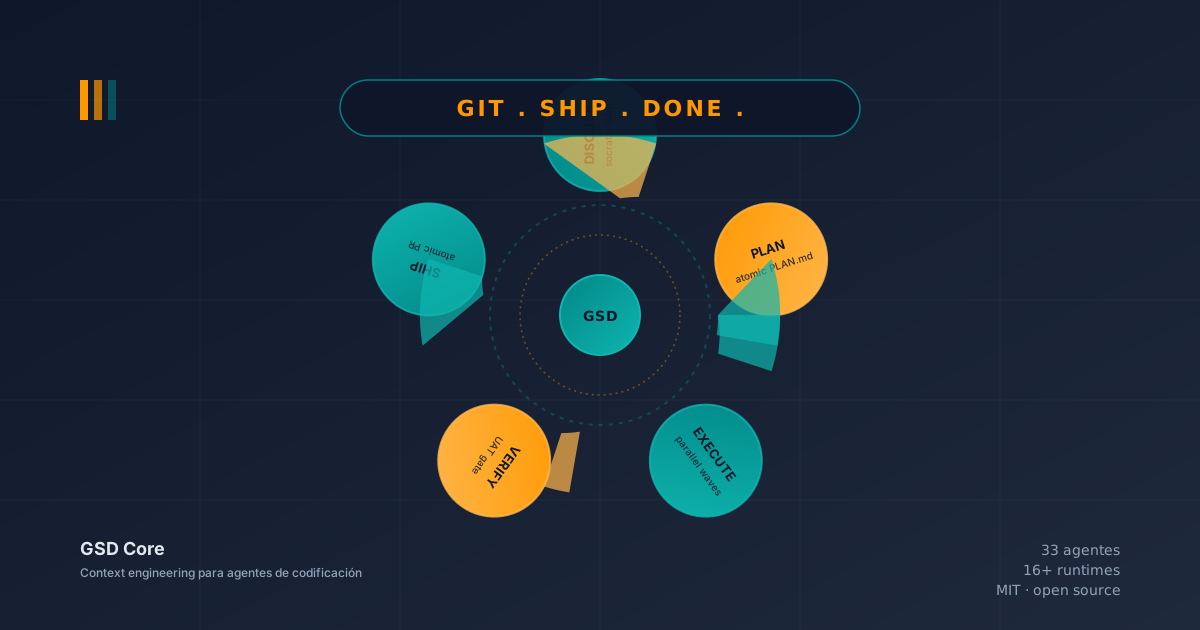
Deep dive into GSD Core (formerly Get Shit Done): 33 agents, wave execution, 200K fresh context per subagent, and the Discuss→Plan→Execute→Verify→Ship phase loop. How to install it, when to use it, and when not to.
Discover how Matt Pocock's viral skill is transforming AI-assisted development by forcing agents to ruthlessly question your design before writing a single line of code.
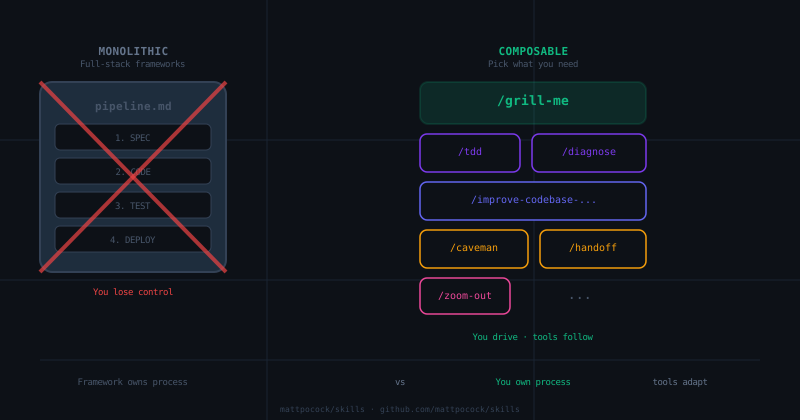
Why Matt Pocock's skills are small, composable, and opinionated — and how they compare to Spec Kit, OpenSpec, and BMAD for AI-assisted Android development.
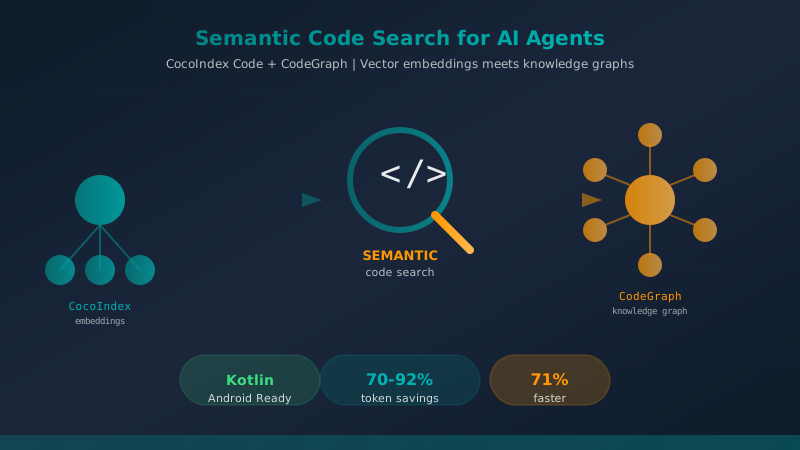
A comprehensive comparison of CocoIndex Code and CodeGraph — two AST-based semantic code search tools that dramatically reduce token consumption and accelerate code exploration for AI coding agents like Claude Code.
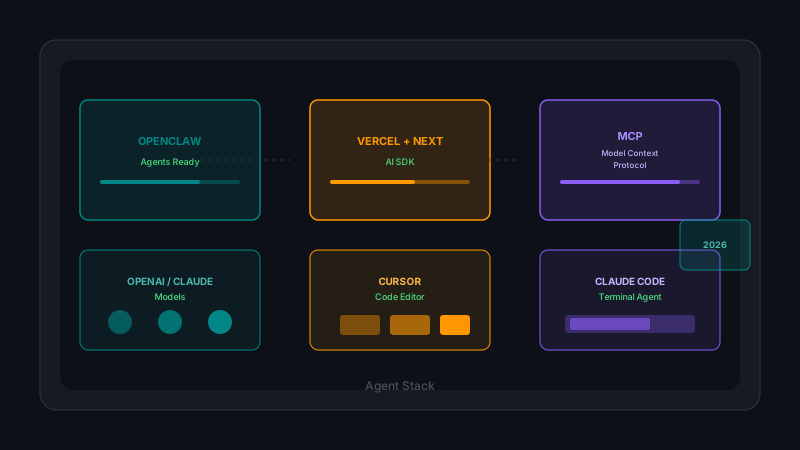
OpenClaw for ready-to-use agents, Vercel AI SDK with Next.js for custom development, OpenAI and Claude models, MCPs for integrations, and Cursor/Claude Code for programming. Complete analysis with practical examples and cost considerations.
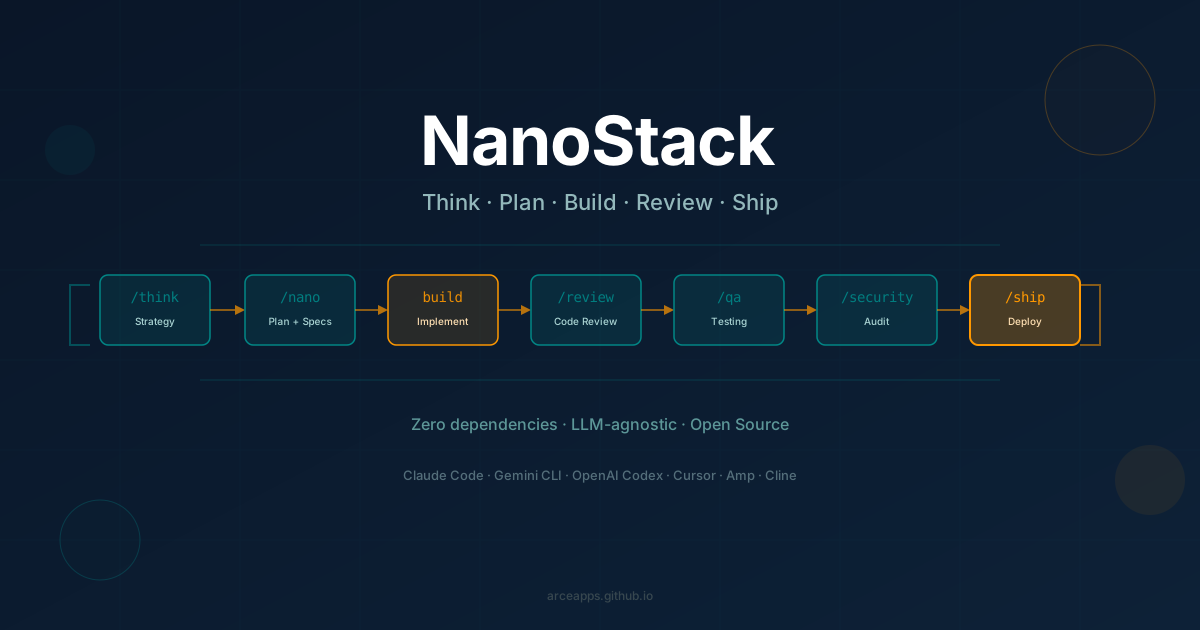
Discover NanoStack, the open-source, zero-dependency framework that transforms any AI coding agent into a complete engineering team. Compatible with Claude Code, Gemini CLI, OpenAI Codex, Cursor, and more.