
AI August 25, 2026
Mem0 & MemGPT: Cognitive Memory Stack for AI Agents
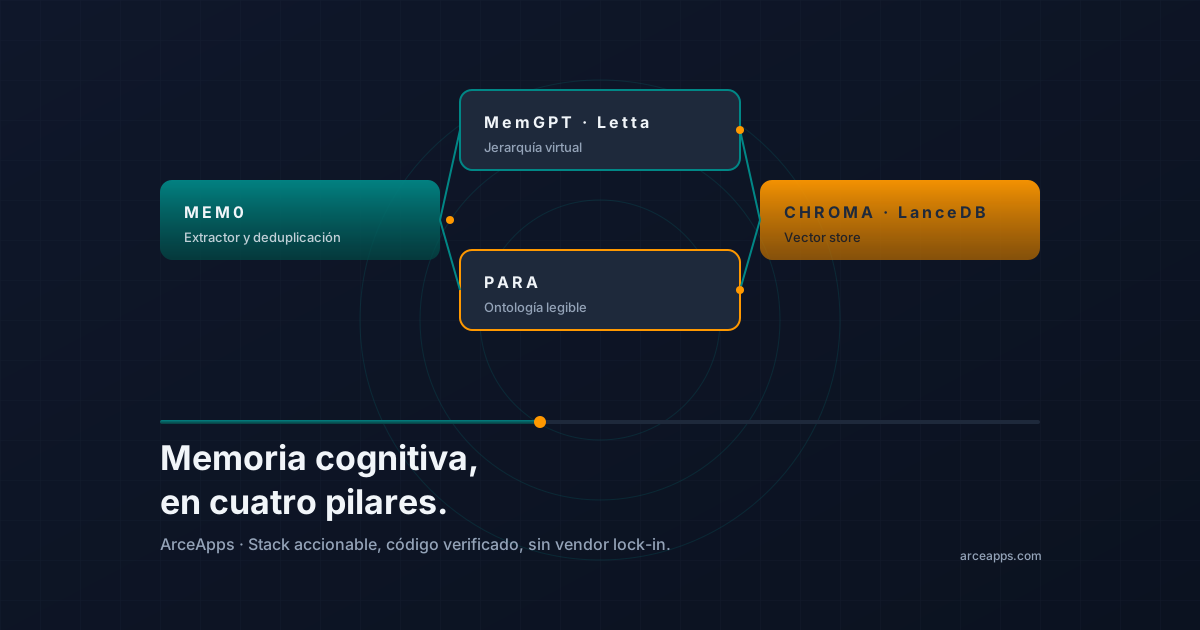
Build a cognitive memory stack for AI agents using Mem0, MemGPT/Letta, PARA, and Chroma or LanceDB. Actionable architecture with verified code.
Read more
12 articles found
Build a cognitive memory stack for AI agents using Mem0, MemGPT/Letta, PARA, and Chroma or LanceDB. Actionable architecture with verified code.
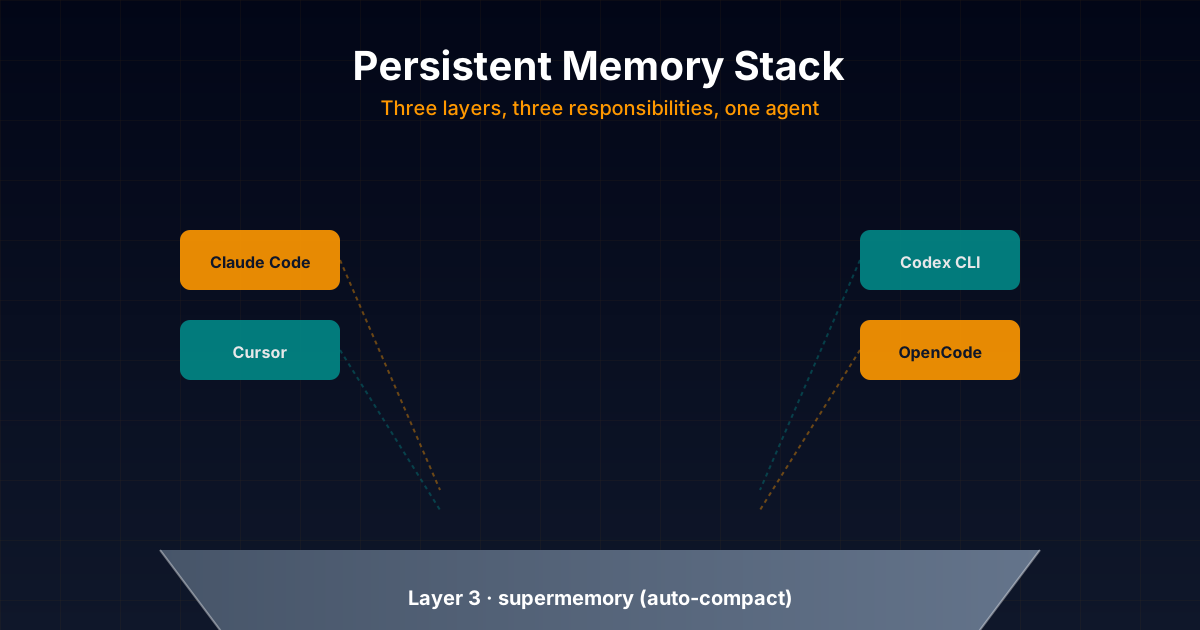
Honest technical deep dive into the persistent memory stack I combine daily in my projects: opencode-supermemory for auto-compact, basic-memory as main memory with Markdown + graph, and forgetful as procedural skills layer. With real configuration examples for Claude Code, Codex,
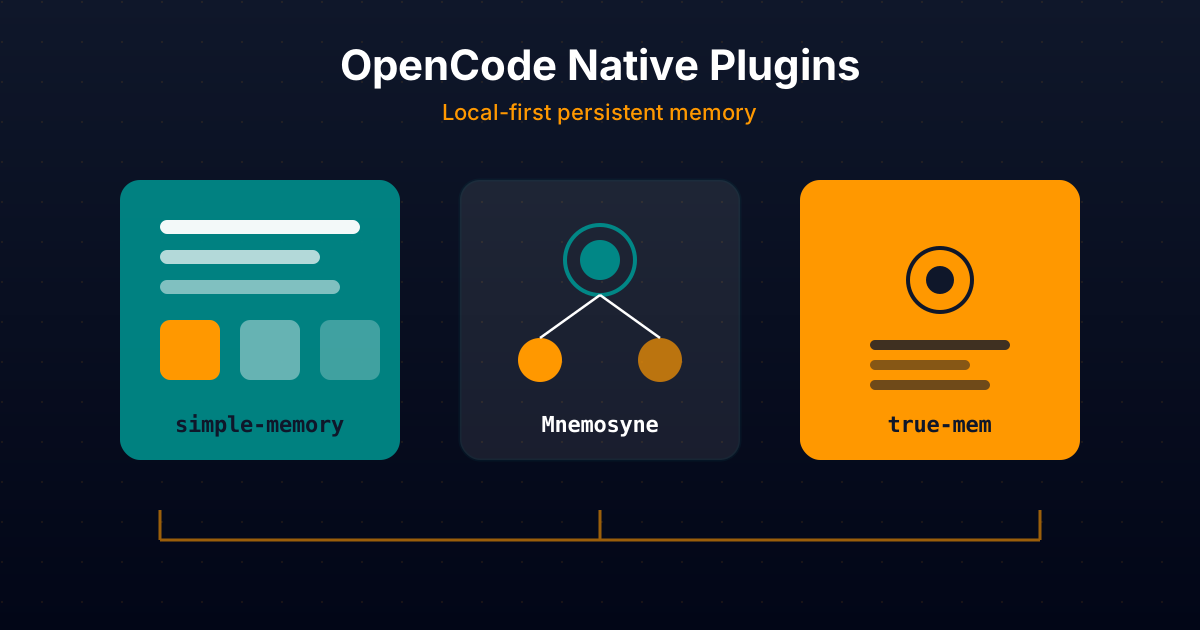
Comparative technical analysis of three native OpenCode plugins to give your AI agent persistent local memory: simple-memory (logfmt), Mnemosyne (offline Go binary), and true-mem (cognitive psychology).
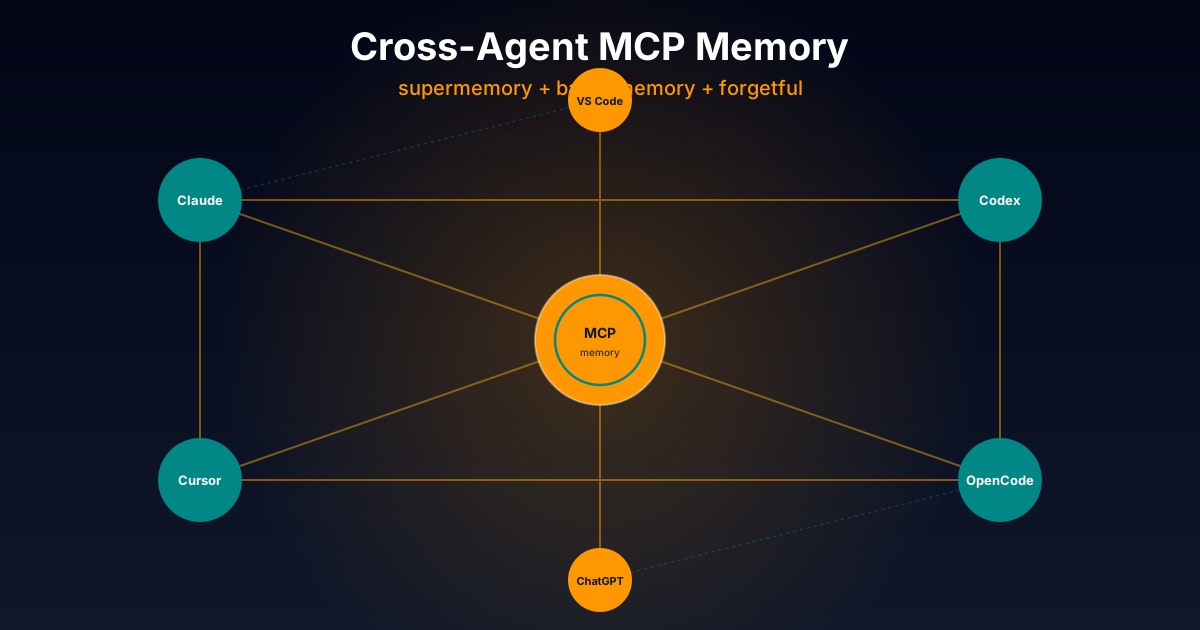
Exhaustive technical comparison of three cross-platform MCP servers to give AI agents persistent memory: opencode-supermemory (cloud), basic-memory (Markdown + graph), and forgetful (atomic Zettelkasten). Works with Claude Code, Codex, Cursor and more.
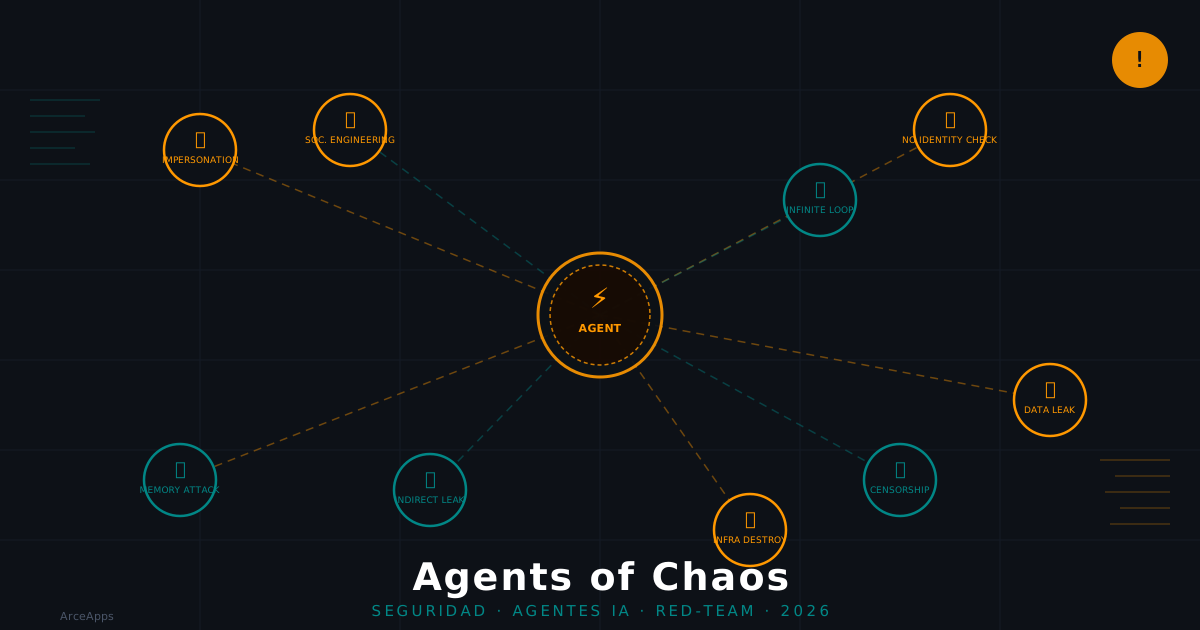
Analysis of the 'Agents of Chaos' paper (arXiv:2602.20021): 7 critical vulnerabilities found in two weeks of red-teaming autonomous AI agents with persistent memory, email, and shell access.
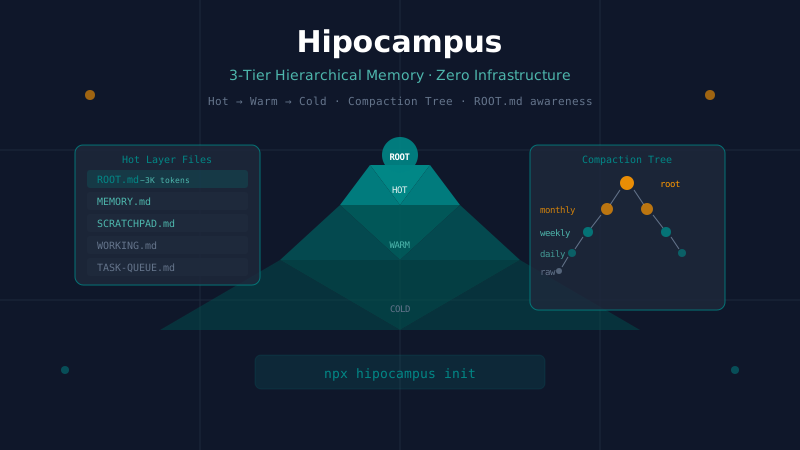
A technical deep-dive into Hipocampus, a drop-in memory harness for AI agents that uses a 3-tier Hot/Warm/Cold architecture and a 5-level compaction tree. How ROOT.md enables constant-cost memory awareness and how it compares to hmem, Mem0, and Letta.
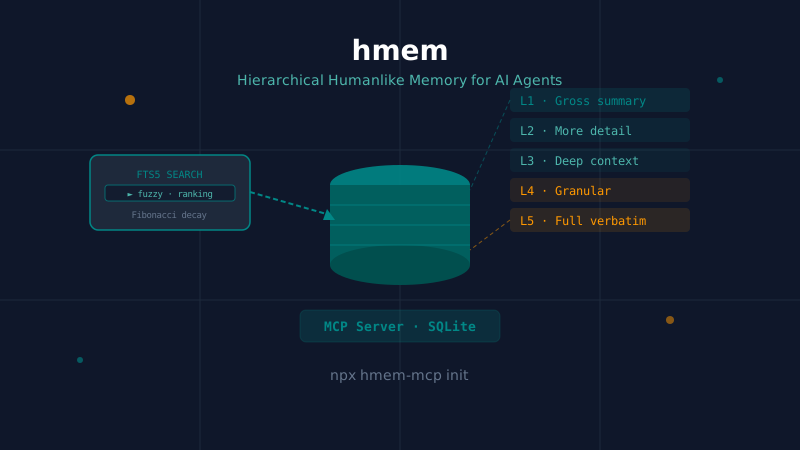
A technical deep-dive into hmem (Humanlike Memory), an MCP server that models human memory in five lazy-loaded levels backed by SQLite + FTS5. How Fibonacci decay, logarithmic aging, and a curator agent solve the context window problem across sessions and machines.
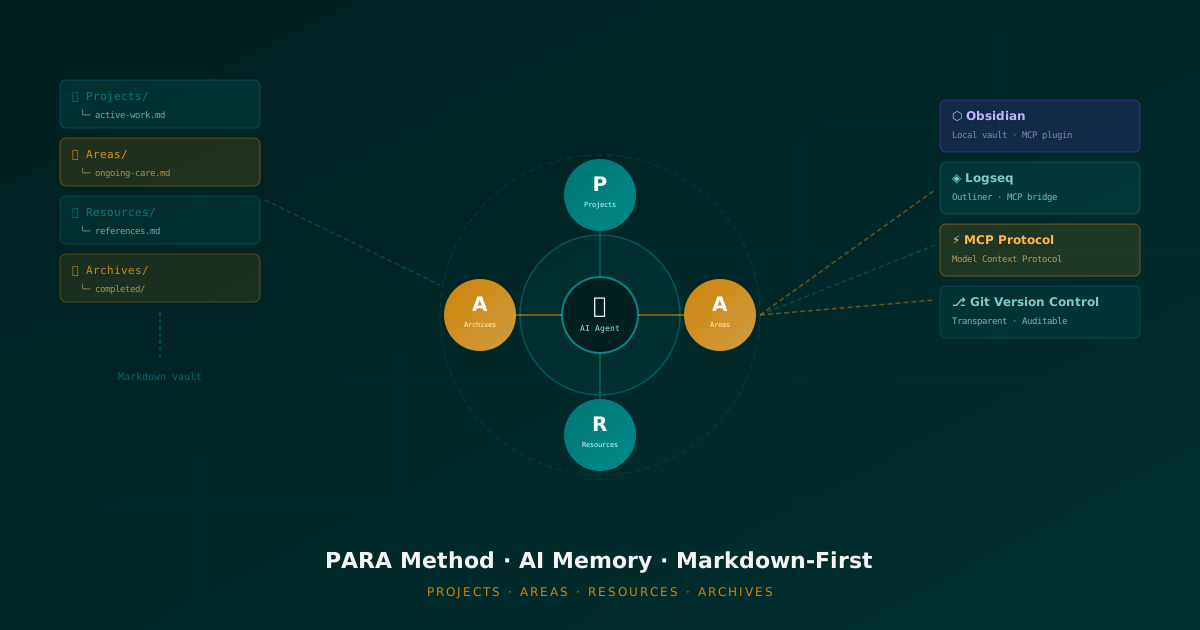
A deep dive into using the PARA method (Projects, Areas, Resources, Archives) as a cognitive scaffold for AI agent memory. How Markdown files, Obsidian, and Logseq via MCP create transparent, human-editable memory systems that actually persist.
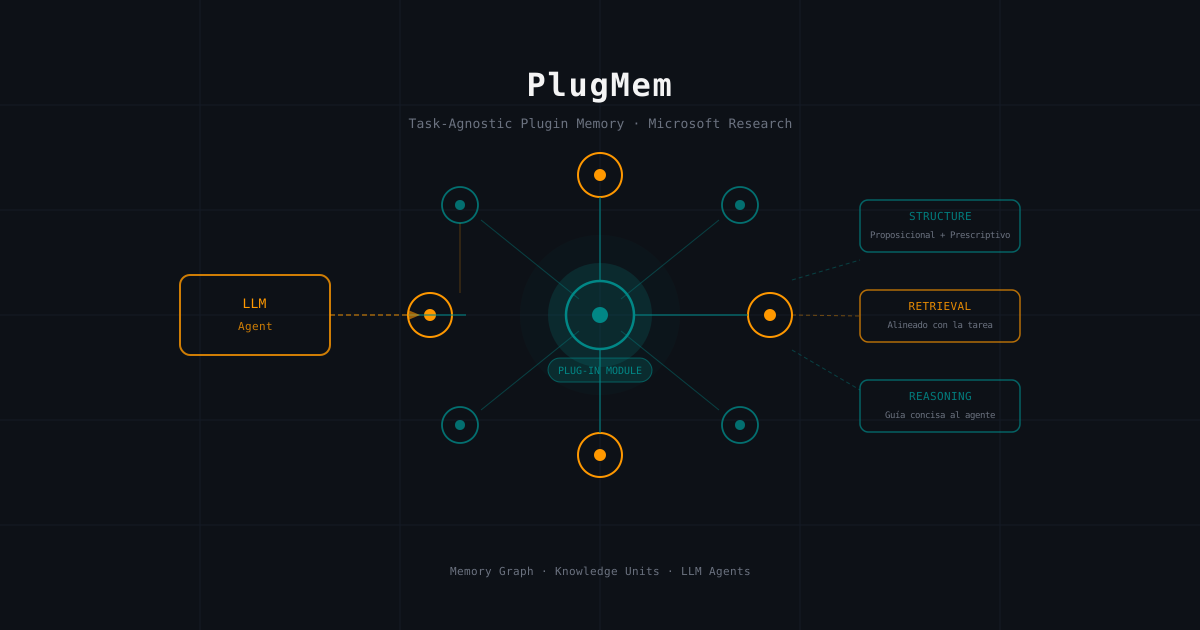
A technical deep-dive into PlugMem, Microsoft Research's plugin memory system that transforms raw LLM agent interactions into reusable structured knowledge. How its three-component architecture (Structure, Retrieval, and Reasoning) outperforms task-specific memory designs.

A deep analysis of the critical risks surrounding persistent memory in AI agents: memory poisoning, the right to be forgotten, homomorphic encryption, and the trends that will define 2026.
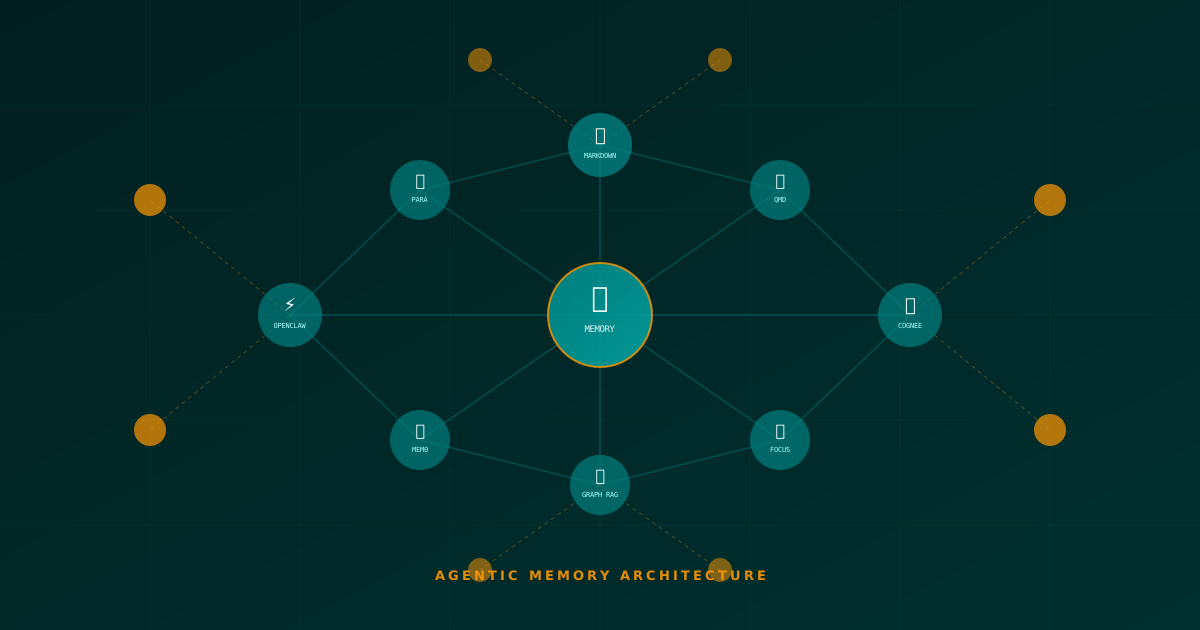
A deep technical analysis of how AI agents persist, consolidate and retrieve information autonomously. From OpenClaw and QMD to Mem0, Cognee and neurobiological memory models.
How to inject dynamic context into AI agent prompts. Techniques for providing memory, skills, and tools on-the-fly.