
Jev September 20, 2026
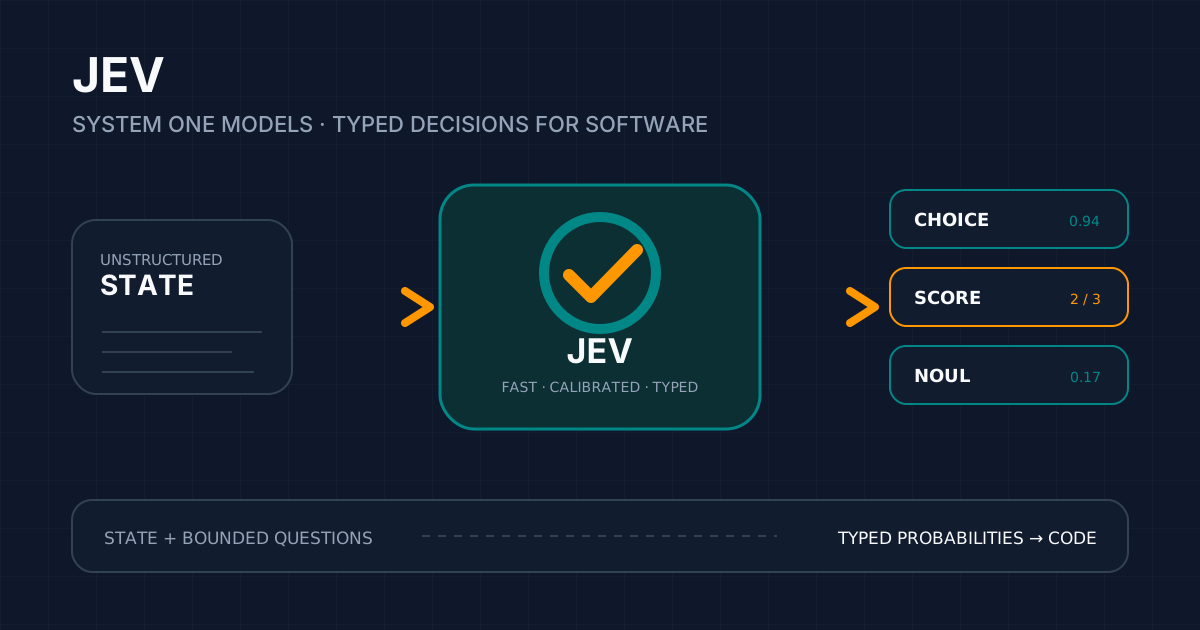
Jev: AI Built to Decide, Not to Write
Explore Jev and System One Models: installation, API, SDKs, Agent Skill, community CLI/MCP tools, and patterns for typed software decisions.
Read more
21 articles found
Explore Jev and System One Models: installation, API, SDKs, Agent Skill, community CLI/MCP tools, and patterns for typed software decisions.
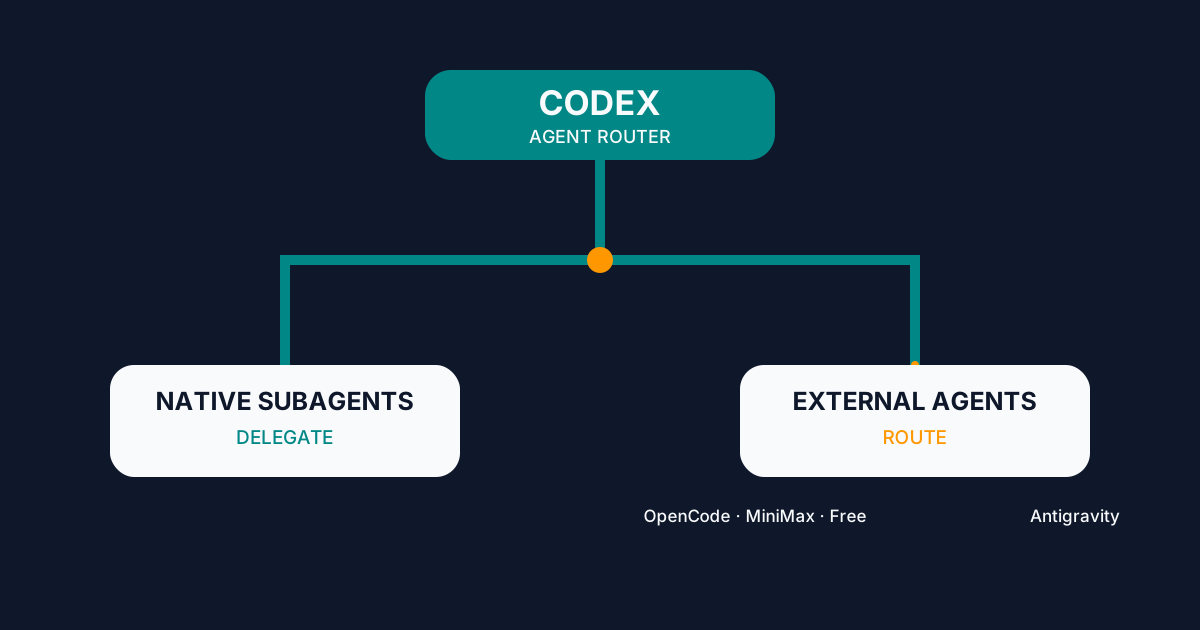
Configure Codex Agent Router to delegate to native subagents or route work to OpenCode, MiniMax, Big Pickle, and Antigravity from one interface.
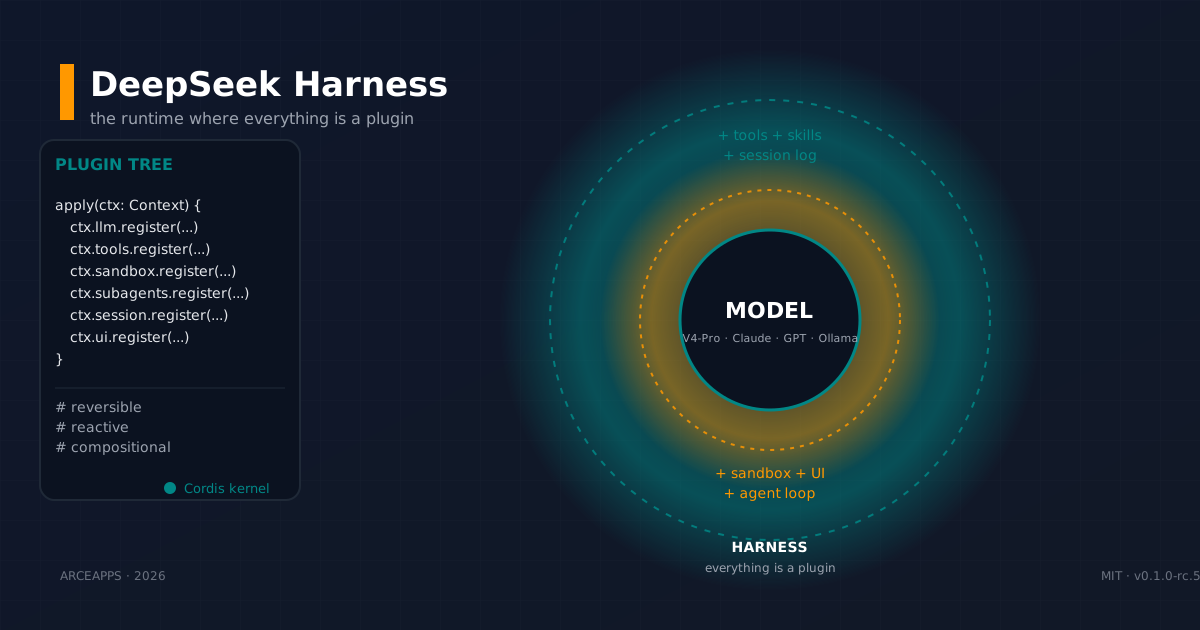
DeepSeek Harness (dsh) is an MIT open-source runtime where model, tools, session, sandbox and even the loop are plugins. Deep-dive into Cordis, runtime modes, append-only session log and self-evolution.
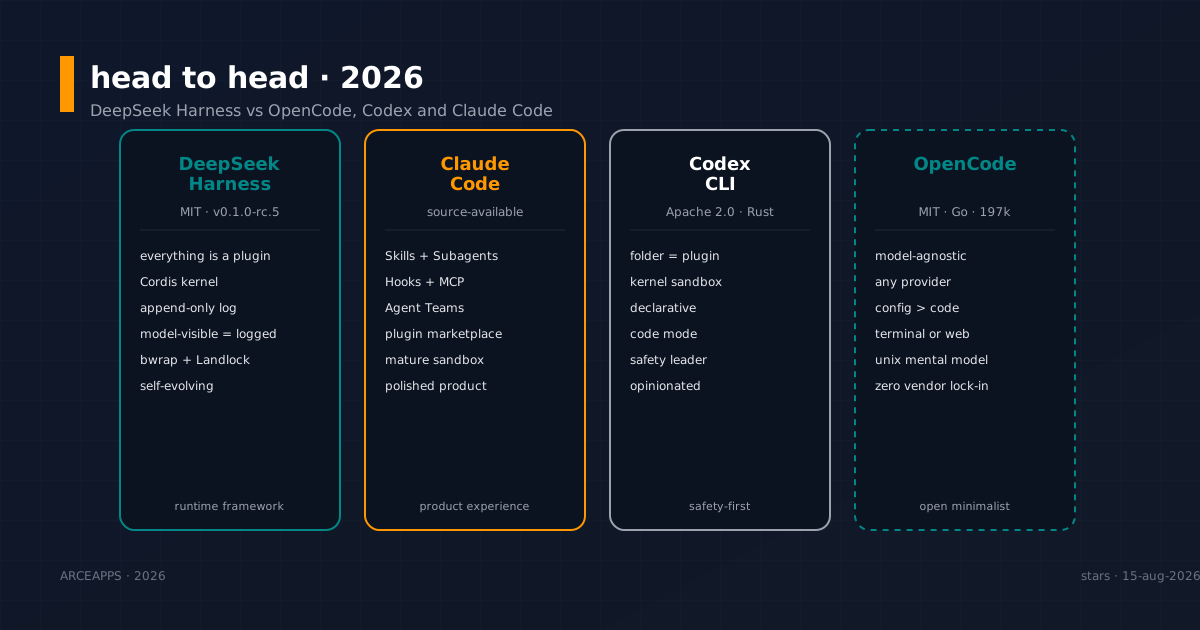
Honest comparison of DeepSeek Harness (dsh), OpenCode, Codex CLI and Claude Code. Philosophy, plugin model, sandbox, ecosystem and who wins each in 2026.
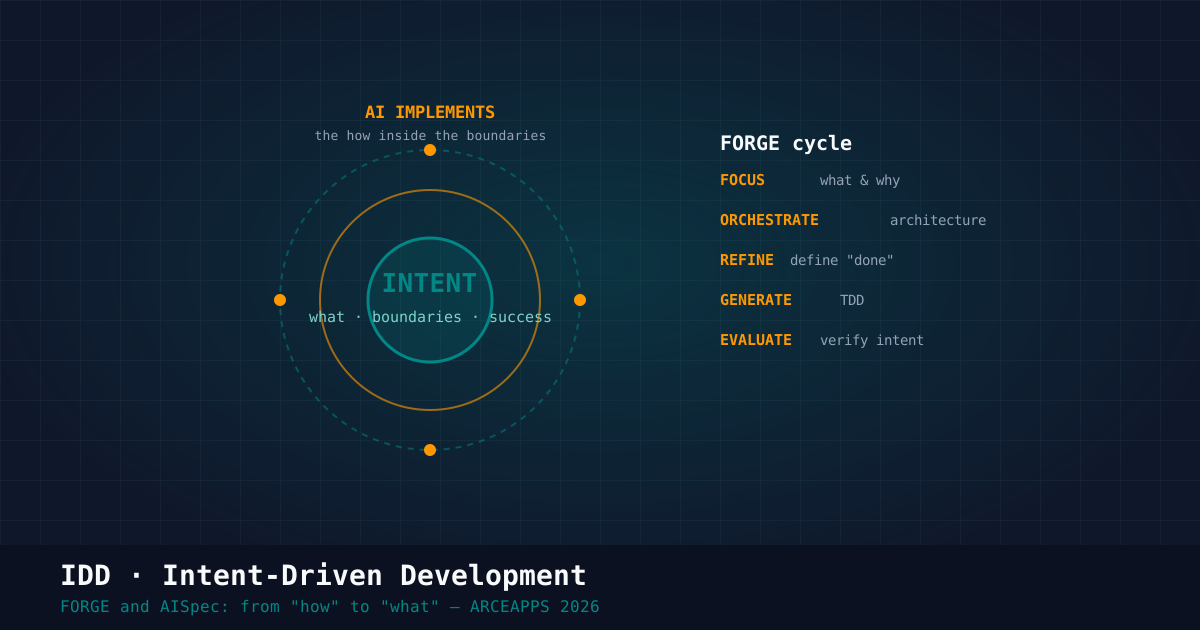
Intent-Driven Development shifts the question from 'how to build' to 'what result we want'. FORGE and AISpec turn your intent into verifiable software. Analysis with examples.
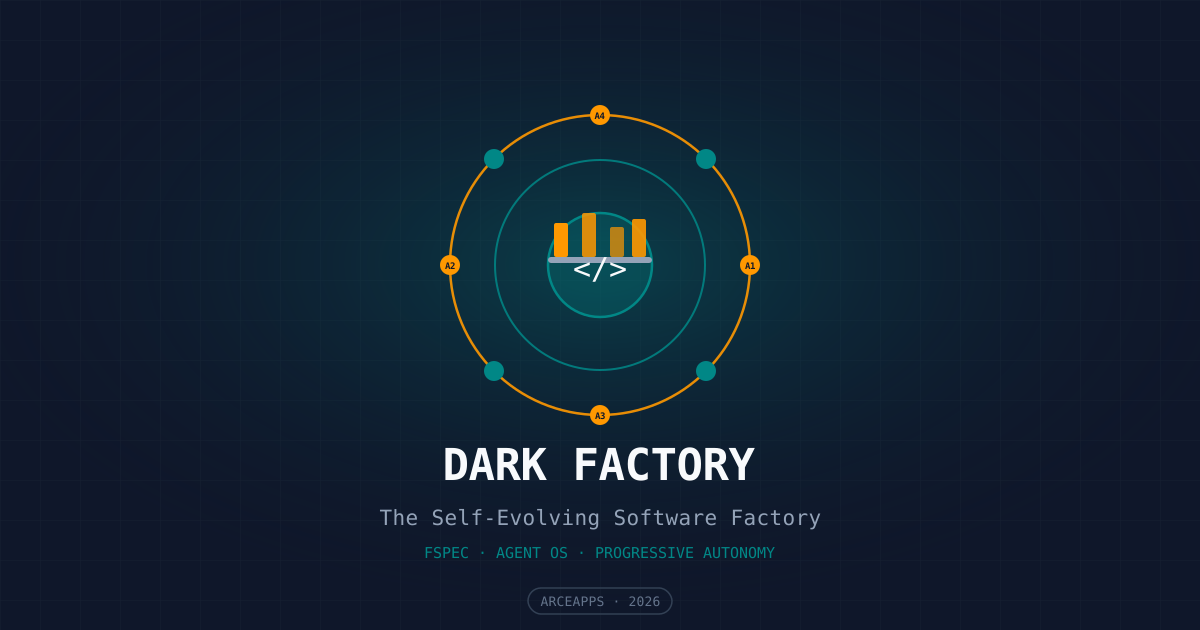
The dark factory takes AI agent autonomy to the extreme: code that writes, tests and ships without human review. Real cases, infrastructure and risks.
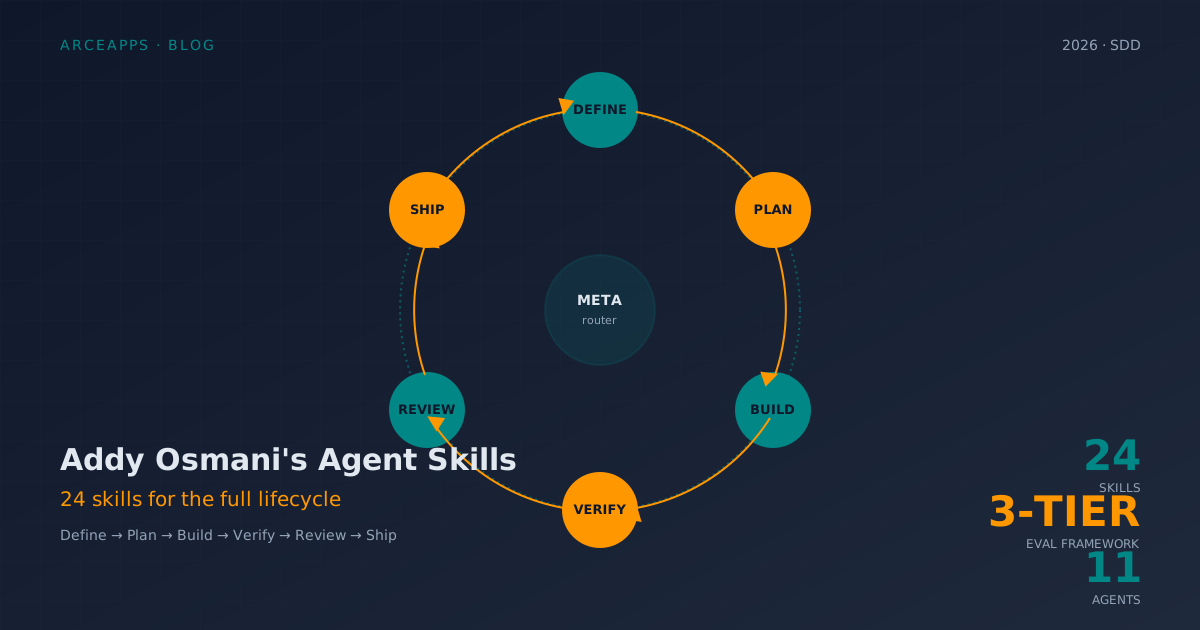
Deep tour of addyosmani/agent-skills: the 24 skills covering Define→Ship, the anatomy of a SKILL.md with anti-rationalizations and red flags, the three-tier eval framework, and an honest comparison with Superpowers, Spec-Kit and OpenSpec.
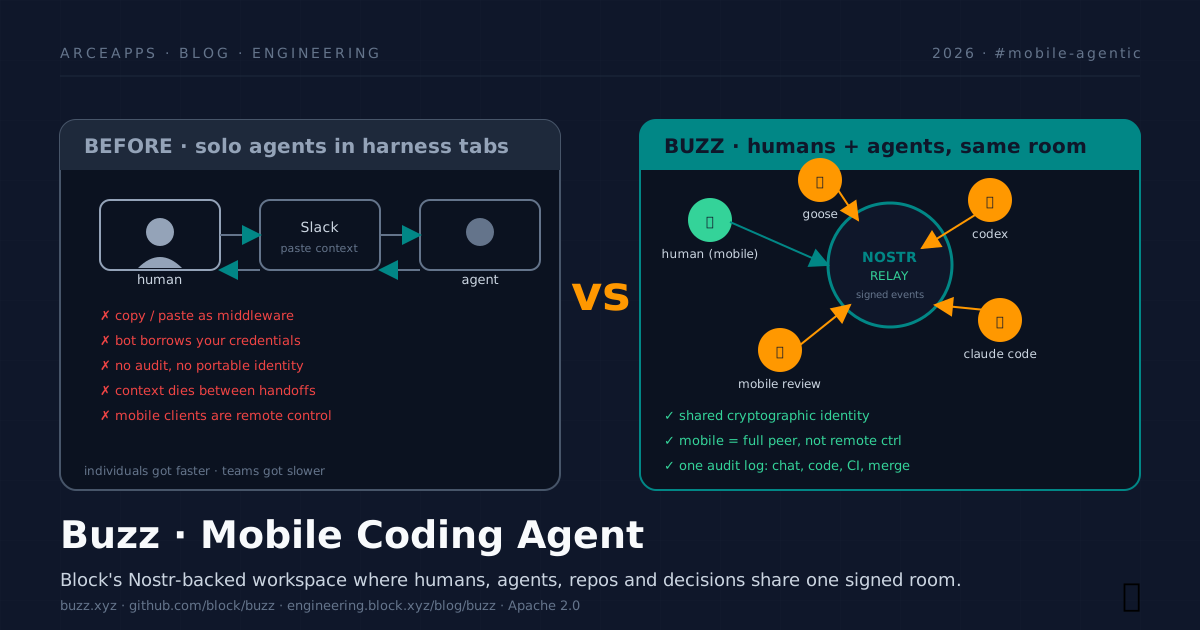
Block's Buzz is a Nostr workspace where humans and AI agents share a signed room. Philosophy, installation, mobile-first flows and honest critique.
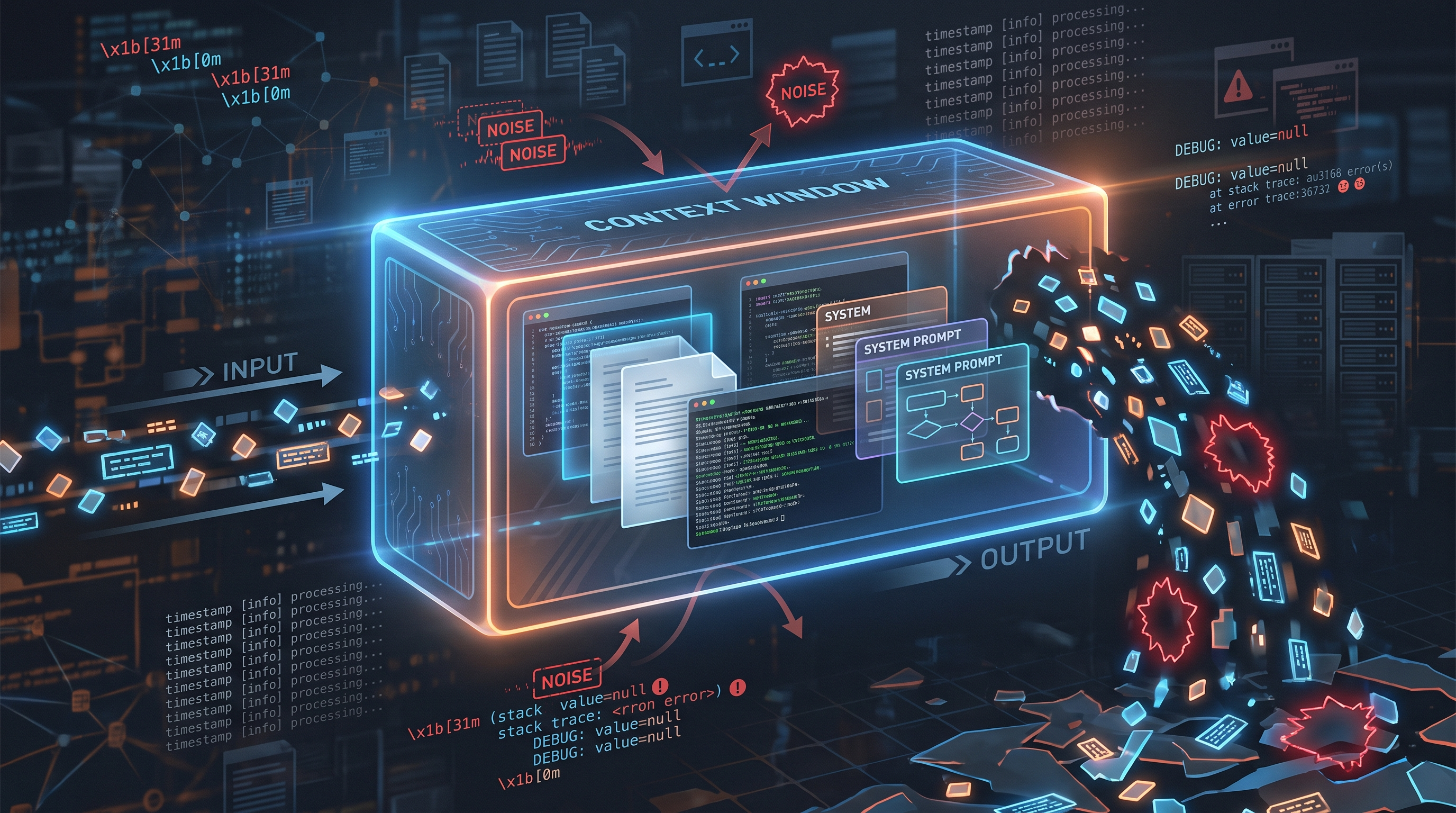
RTK and Caveman promise 60-90% token cuts in agents. I measure both with real data: JetBrains' 8.5% finding, a 614M-token replay and the output-vs-prose gap.
Cut AI agent costs up to 99% with prompt caching, model routing, LLMLingua and RTK. A practical playbook from real production systems.
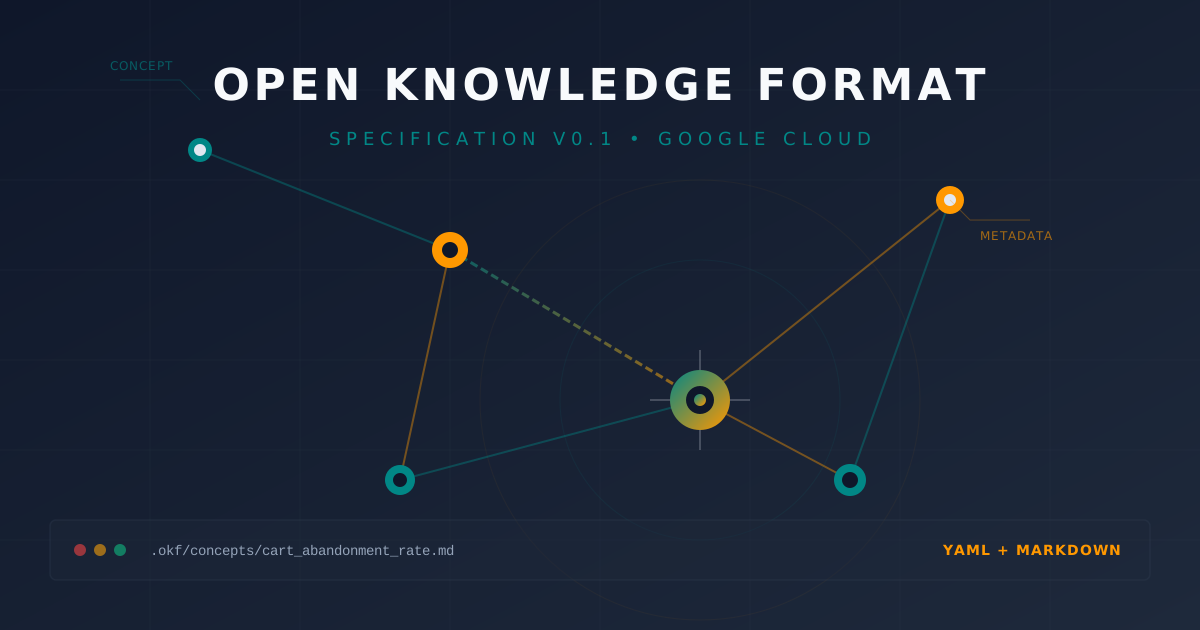
Discover Google Cloud's Open Knowledge Format (OKF), the open LLM-Wiki standard to port business context to your AI agents with no vendor lock-in.
We analyze the 10 best official desktop AI agents from major tech companies and select the finalists of this technological tournament.
We analyze the top 10 open-source and community AI coding assistants and IDEs. Discover why OpenCode and Hermes lead this tournament semifinal.
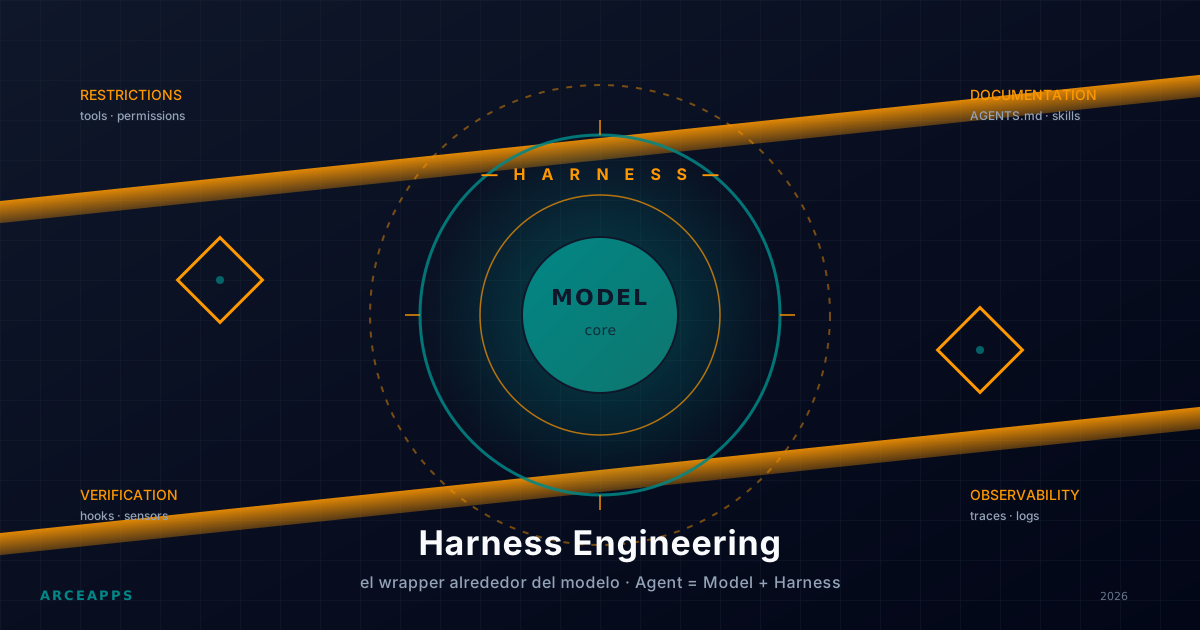
Harness Engineering explained: why the wrapper (tools, memory, guardrails) makes agents productive. Definition, anatomy, and real indie application.
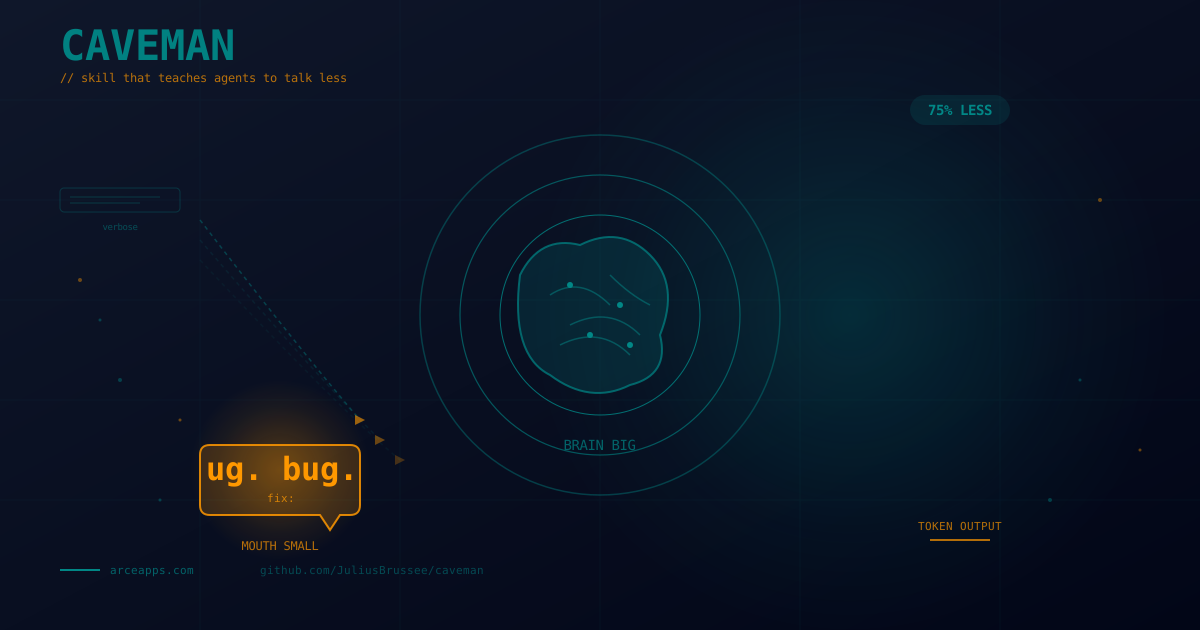
Caveman teaches AI agents to talk like cavemen. Julius Brussee's viral skill claims 75% fewer tokens — real Reddit measurements and the brutal verdict.
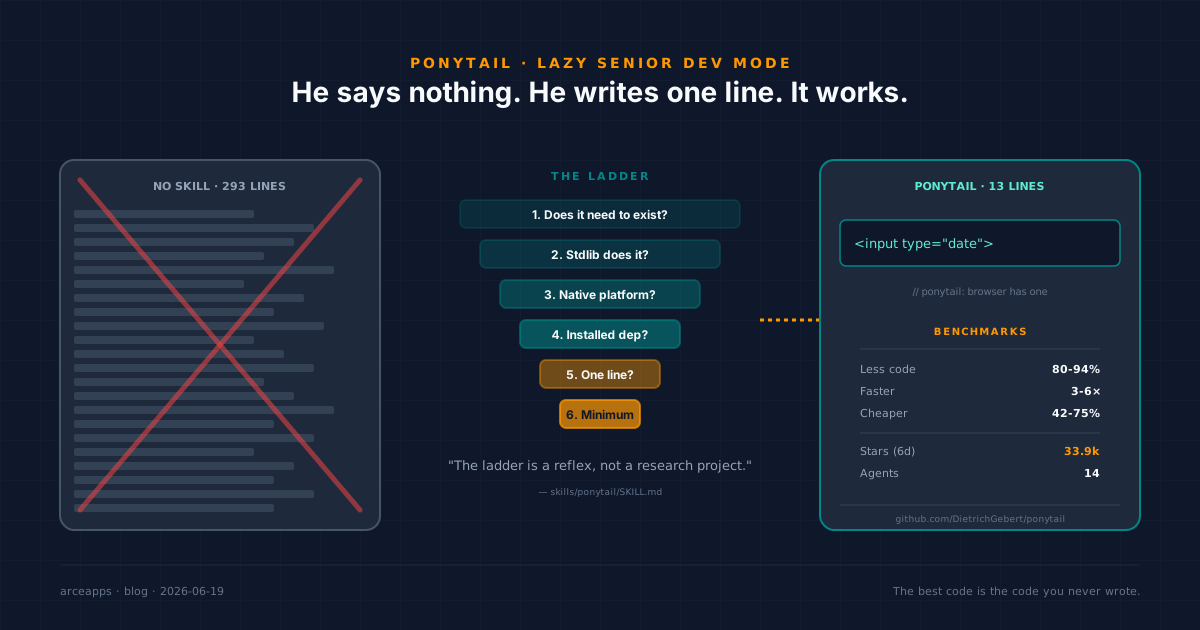
34k stars in six days. A skill that forces Claude Code, Codex, Cursor and friends to walk a six-rung ladder before writing a single line. 80-94% less code, but is it really that good? A deep technical analysis and honest comparison.
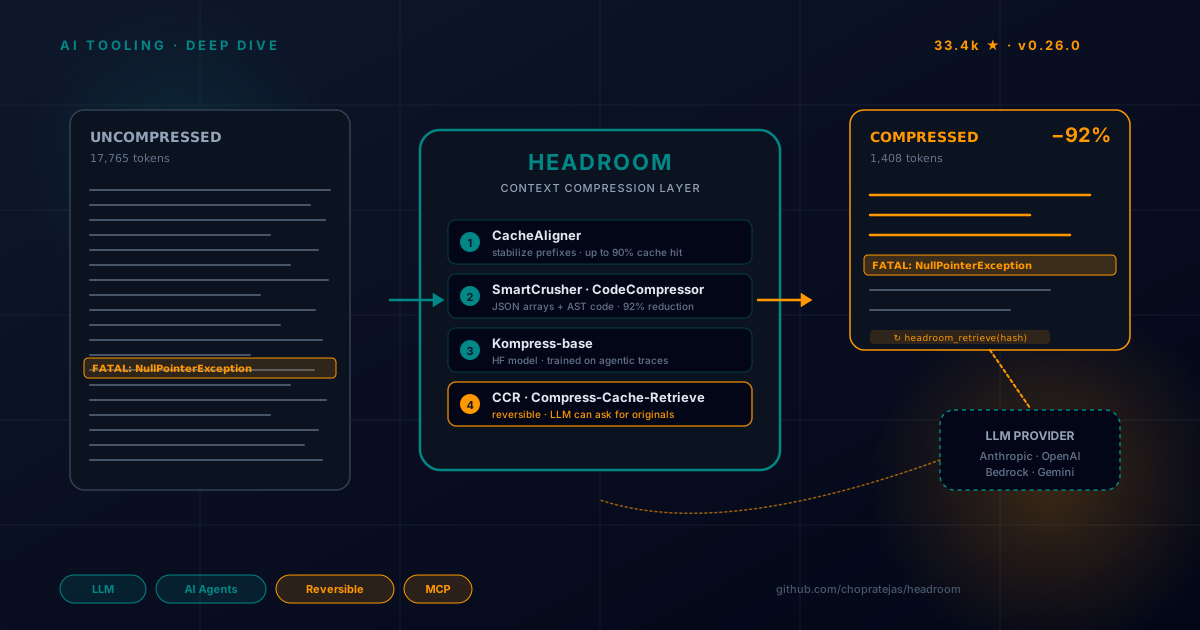
Deep dive into Headroom, the open-source project (33.4k ⭐) that promises 60-95% token reduction on what you send to an LLM without losing accuracy. We test its 6 algorithms, its reversible CCR, and its proxy mode, and compare it to the rest of the ecosystem.
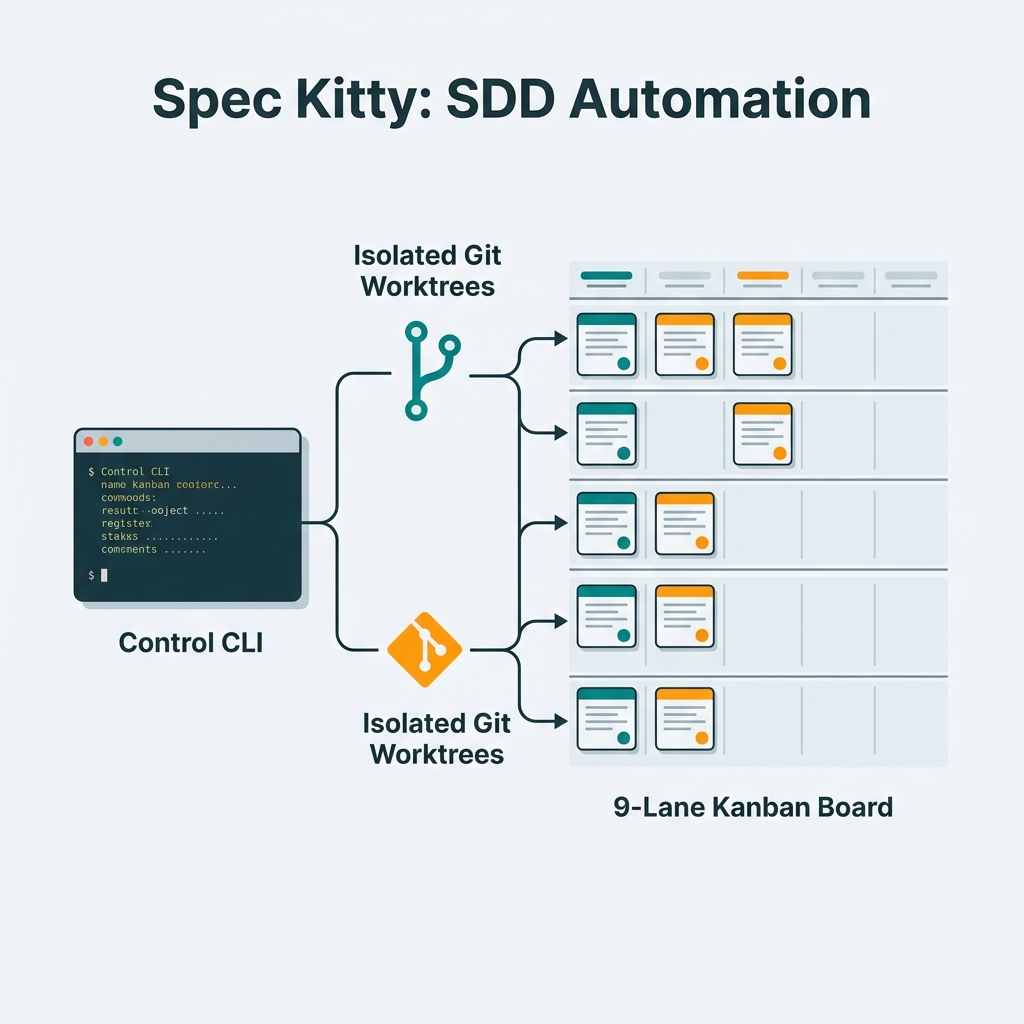
A complete guide to Spec Kitty — the CLI that turns product intent into a repeatable agent workflow using git worktrees, a 9-lane kanban system, and repository-native mission artifacts.
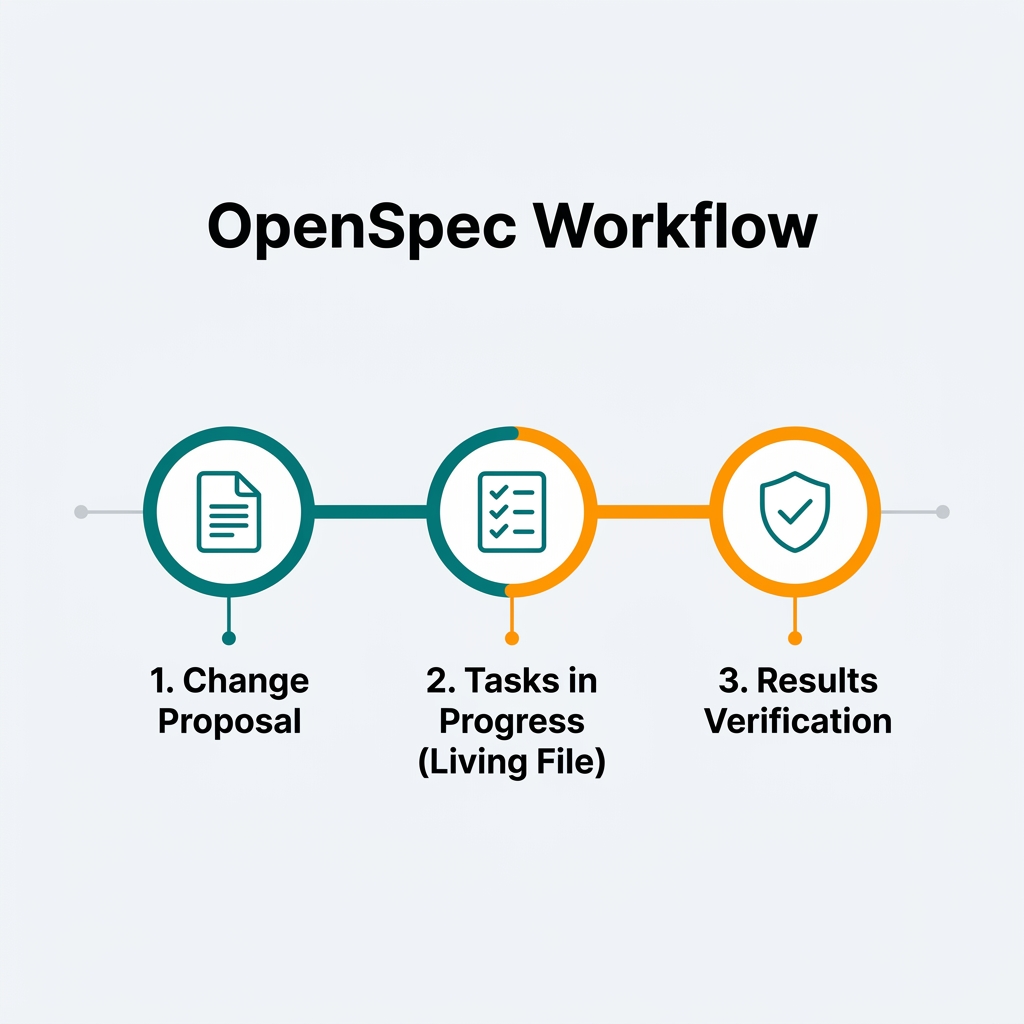
How to apply OpenSpec in Android and Kotlin projects to keep AI agents aligned with architecture, with practical examples of change proposals, task validation, and living files.
A comprehensive technical deep dive into the Superpowers methodology, exploring its subagent orchestration, strict TDD enforcement, and how it transforms AI from a chaotic coder into a disciplined engineering partner.
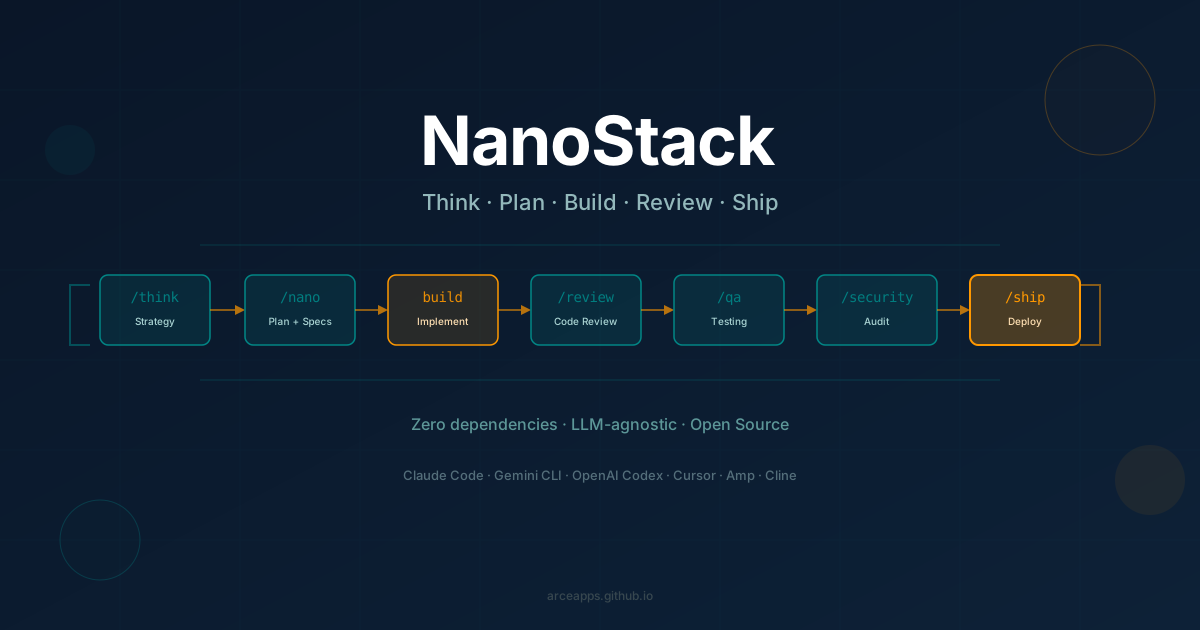
Discover NanoStack, the open-source, zero-dependency framework that transforms any AI coding agent into a complete engineering team. Compatible with Claude Code, Gemini CLI, OpenAI Codex, Cursor, and more.