
AI June 28, 2026
ChatGPT, Claude or Gemini: Which to pay for in 2026?
A deep dive 2026 technical comparison of ChatGPT Plus, Claude Pro, and Gemini Advanced. Find out which $20 AI subscription is actually worth it for developers.
Read more
25 articles found
A deep dive 2026 technical comparison of ChatGPT Plus, Claude Pro, and Gemini Advanced. Find out which $20 AI subscription is actually worth it for developers.
Discover how the new Android CLI is redefining the mobile ecosystem, allowing AI agents to build apps up to three times faster.
Discover how Loop Engineering is replacing traditional prompting. Learn to design autonomous systems for mobile development with Kotlin and Android, managing risks and optimizing resources.
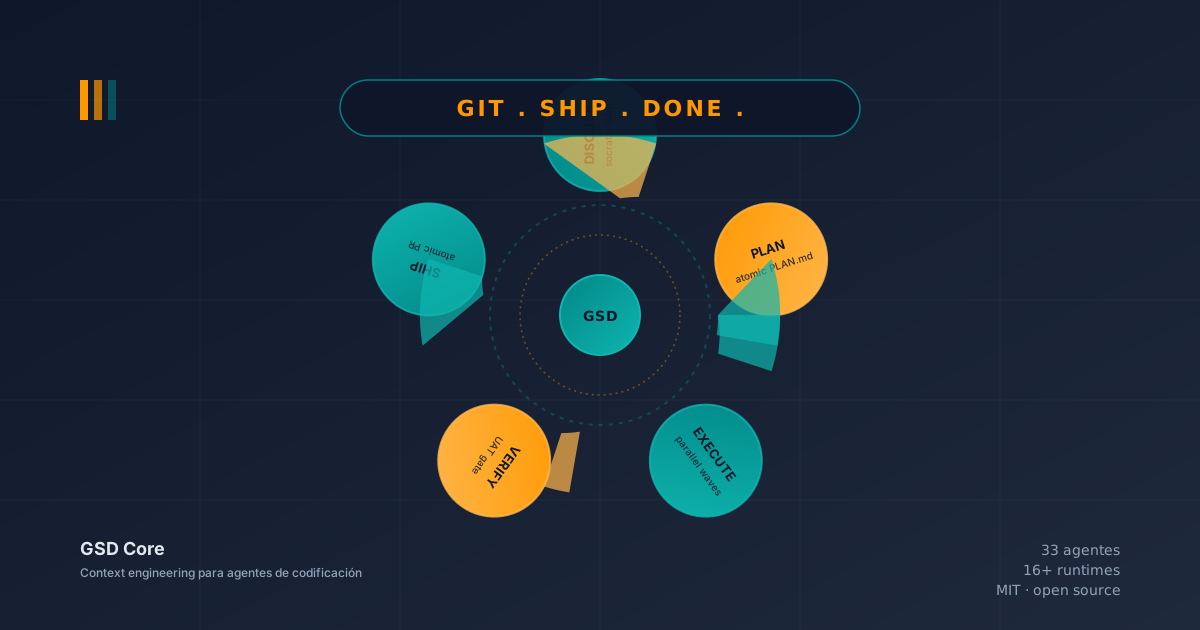
Deep dive into GSD Core (formerly Get Shit Done): 33 agents, wave execution, 200K fresh context per subagent, and the Discuss→Plan→Execute→Verify→Ship phase loop. How to install it, when to use it, and when not to.
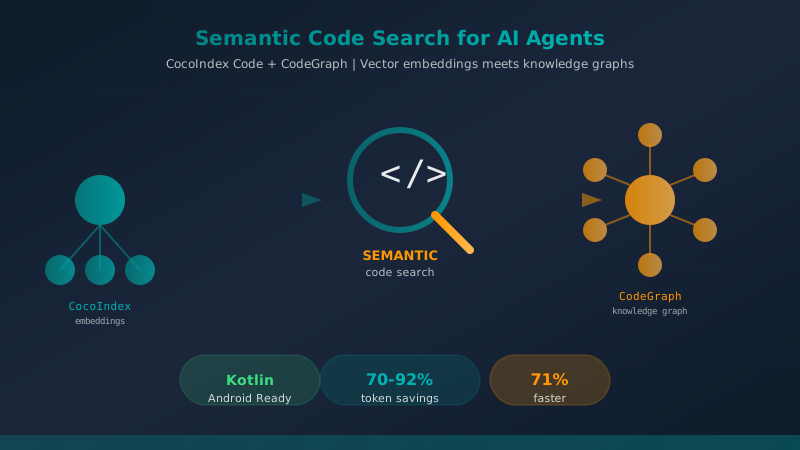
A comprehensive comparison of CocoIndex Code and CodeGraph — two AST-based semantic code search tools that dramatically reduce token consumption and accelerate code exploration for AI coding agents like Claude Code.
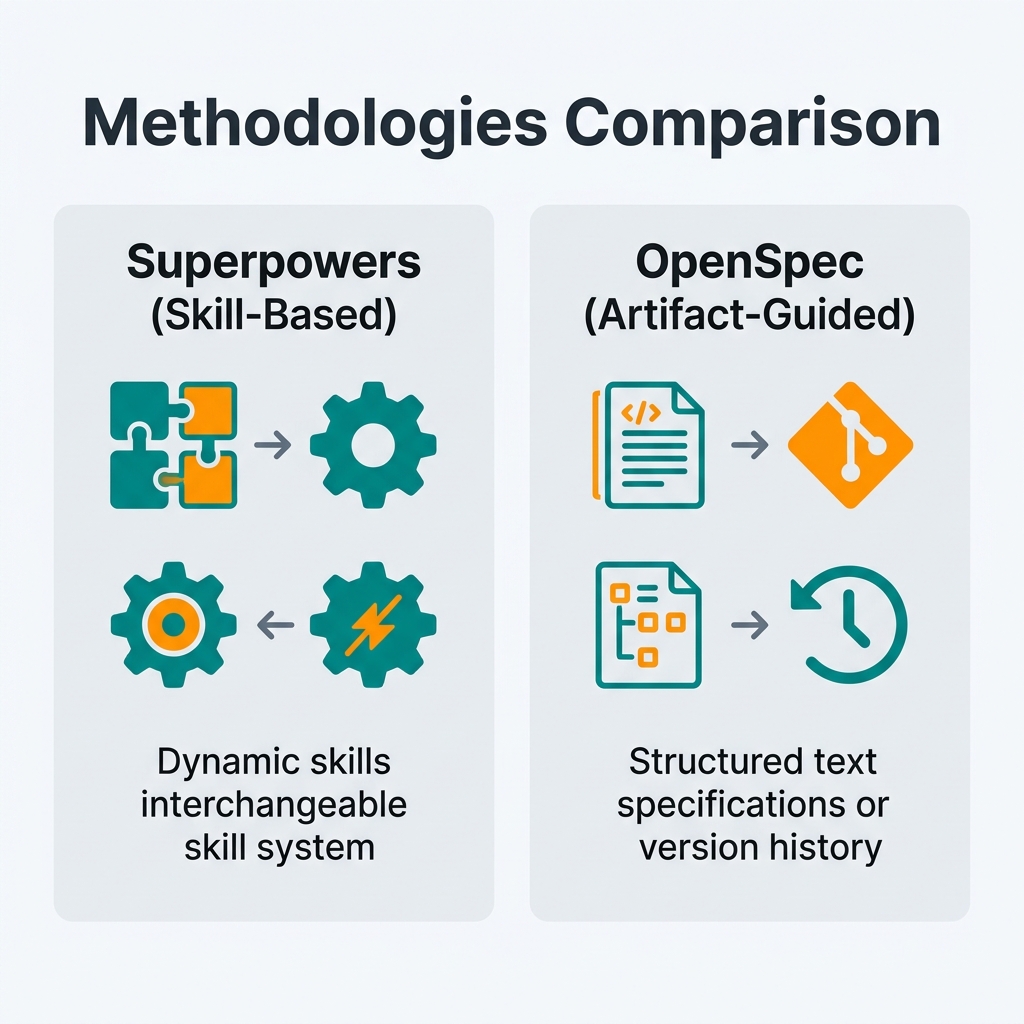
A deep dive comparison of two distinct approaches to AI software development: the skill-based methodology of Superpowers and the artifact-guided workflow of OpenSpec.
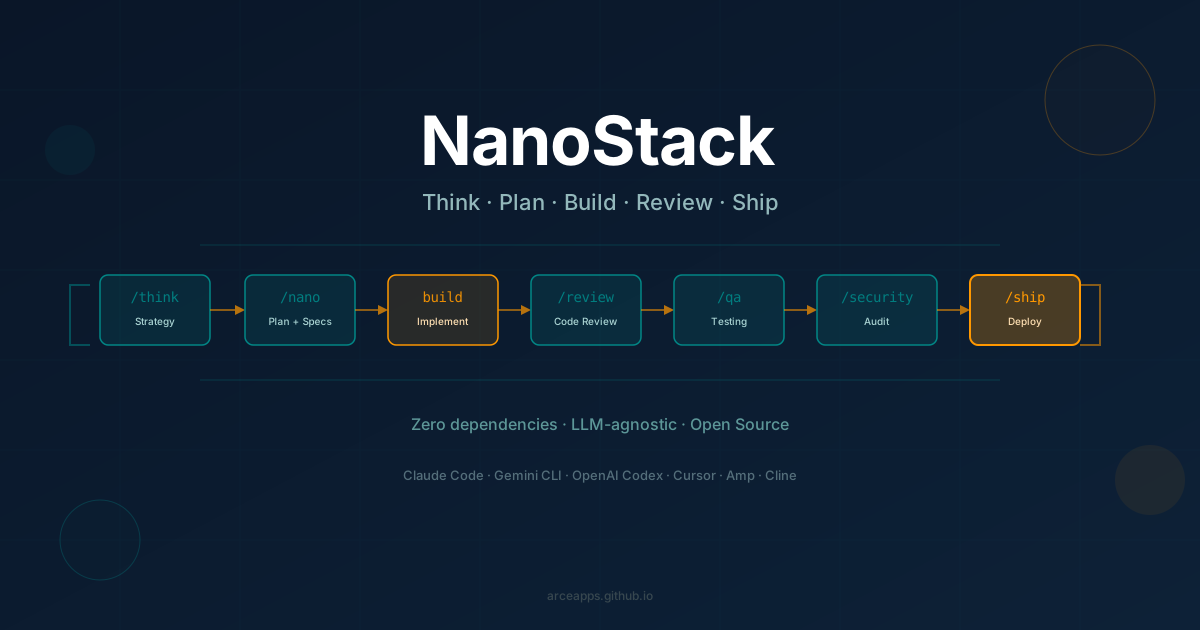
Discover NanoStack, the open-source, zero-dependency framework that transforms any AI coding agent into a complete engineering team. Compatible with Claude Code, Gemini CLI, OpenAI Codex, Cursor, and more.
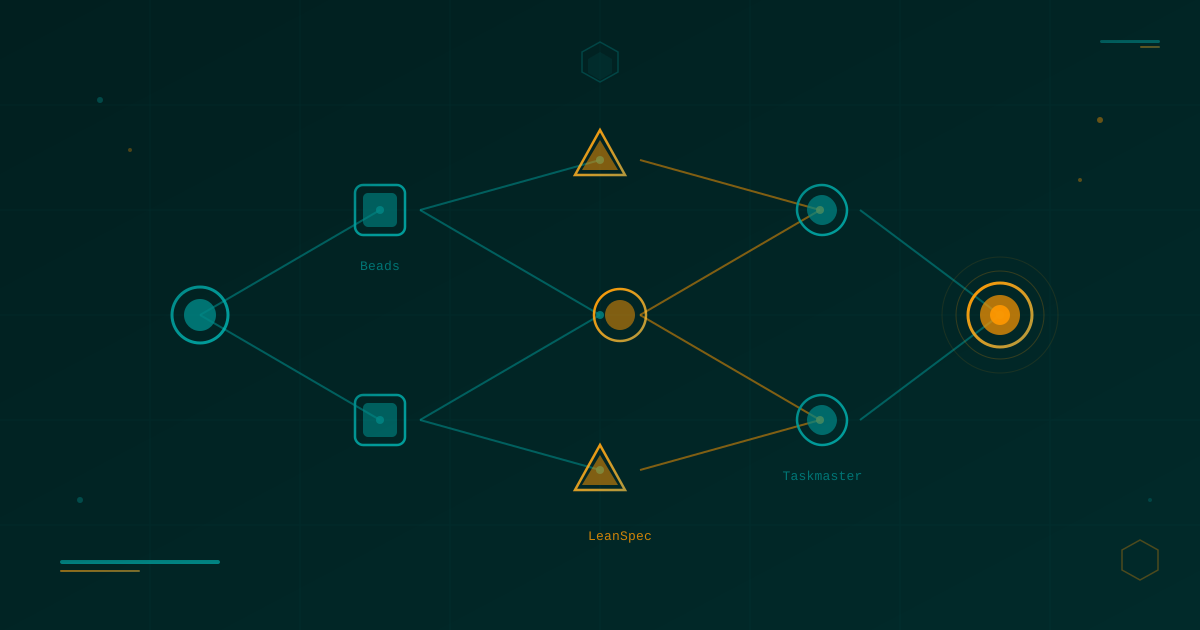
A deep dive into three tools that solve context rot and keep AI coding agents focused: Beads (git-native DAG issue tracker), LeanSpec (minimal spec-driven workflow), and Taskmaster (PRD-to-task orchestration). Real commands, real workflows, real indie dev perspective.
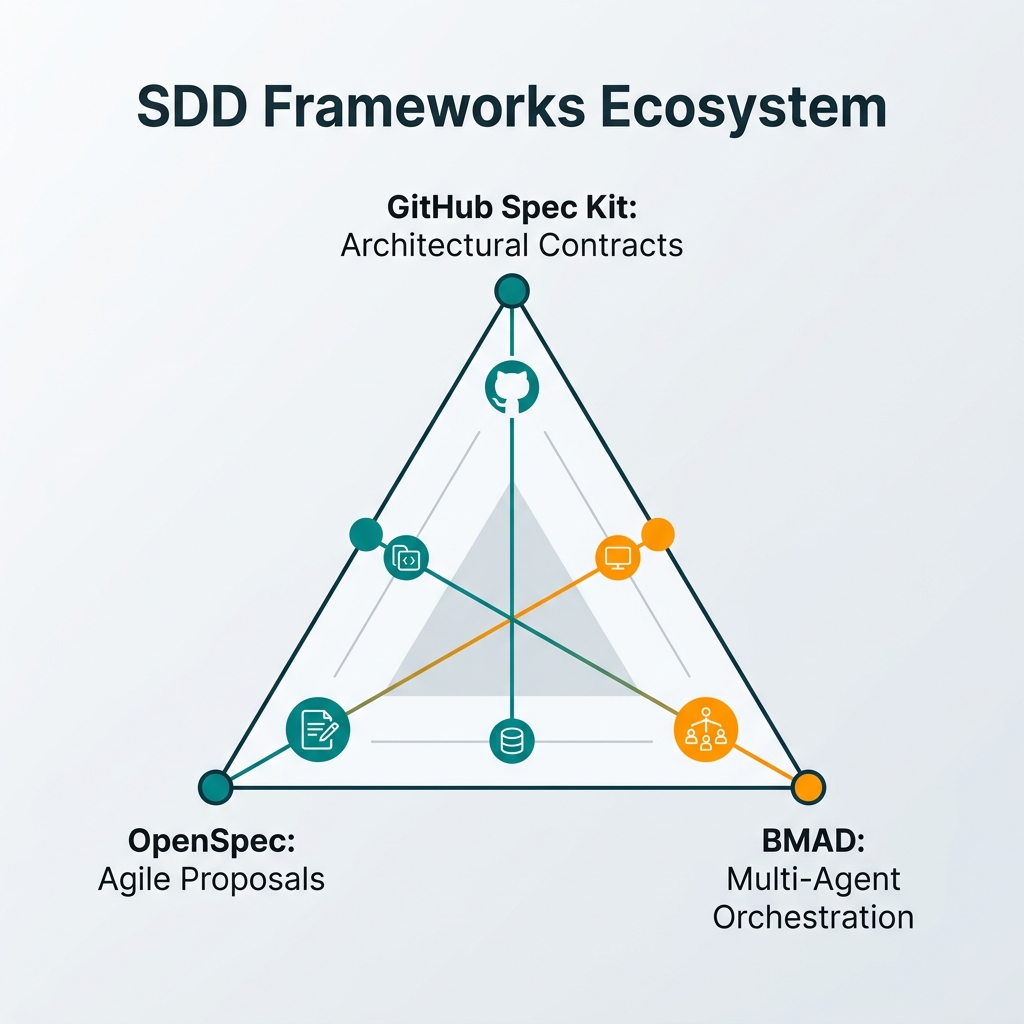
A thorough analysis of the three leading Spec-Driven Development frameworks: the architectural contracts of GitHub Spec Kit, the change-proposal agility of OpenSpec, and the multi-agent orchestration of BMAD-METHOD.
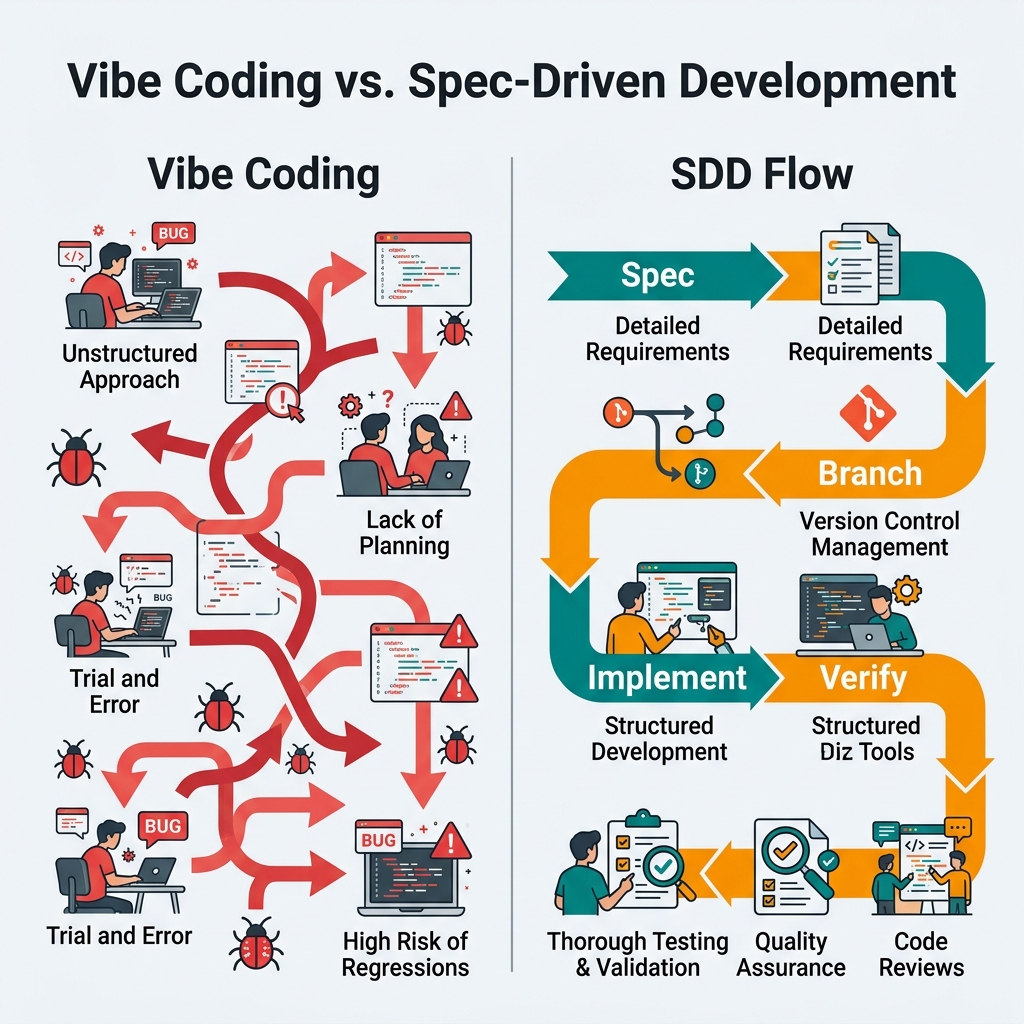
A senior engineer's guide to SDD for agentic AI: from vibe coding to structured, reproducible development using GitHub Spec Kit, BMAD Method, OpenSpec, SPARC, and more.
A deep dive into ChatGPT 5.3 Codex, its new dedicated app, and what it means for Android developers. Includes comparison with Gemini 3.0 Pro.

Why technical skills are only half the battle. Learn how to manage impact, time, and expectations to reach the next level.
Why technical skills are only half the battle. Learn to manage impact, time and expectations to reach the next level.
Discover how Artificial Intelligence and Clean Architecture empower each other to create maintainable, scalable, and precisely auto-generated Android code.

Connecting your self-hosted Clawdbot to Telegram. How to build a private, smart bot that lives in your chat app.

How to craft prompts that work. From simple instructions to complex multi-step reasoning. Optimizing context windows.

How Test-Driven Development (TDD) pairs with AI coding assistants. Writing tests first to guide LLM code generation.

Review of Gemini Code Assist for Android developers. How does it compare to Copilot? Best practices for prompt engineering in the IDE.
Maximize your productivity in Android Studio with GitHub Copilot. Advanced prompting techniques, test generation, and assisted refactoring.
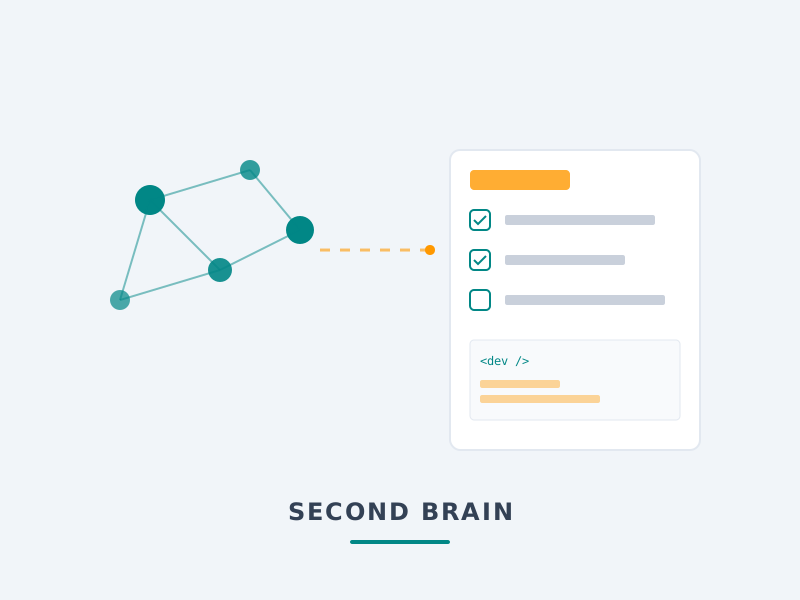
Transform Obsidian into a Knowledge IDE. Learn to integrate Git, Dataview, Architecture Diagrams, and automated logs to boost your development career.

Discover how to transform your generalist AI assistant into a team of specialists using Agent Skills. Includes practical examples for Android, Kotlin, and Conventional Commits.

Introducing the Agents.md standard. A file convention to context-load AI agents with project architecture, coding rules, and domain knowledge.
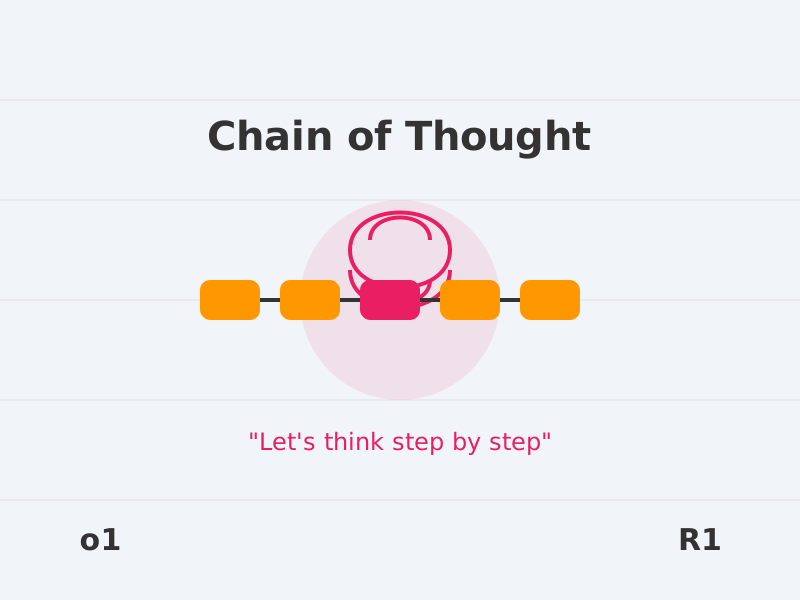
The arrival of OpenAI o1 and DeepSeek R1 marks the end of complex 'Prompt Engineering'. Understand how reasoning models (System 2) work and when to use them.
Autocomplete is a thing of the past. Discover how AI Agents like Cline and Cursor are redefining software development, allowing for multi-file editing and autonomous command execution.

The evolution of reasoning in AI. How OpenAI's o1 and DeepSeek's R1 compare. Chain-of-Thought prompting and the future of coding agents.