Awesome OpenCode: The Ecosystem Zoo
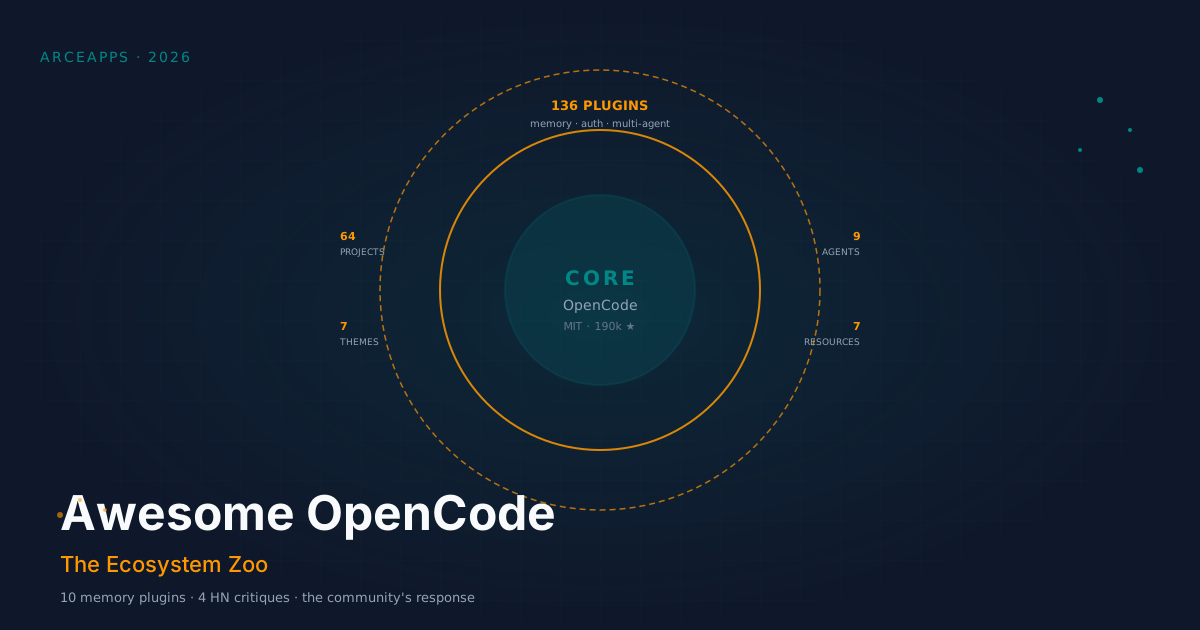
A curated map of the OpenCode ecosystem in 2026: 10 persistent-memory plugins no blog has shown you, 4 real Hacker News critiques, and the indie community's defensive response.
9 articles found
A curated map of the OpenCode ecosystem in 2026: 10 persistent-memory plugins no blog has shown you, 4 real Hacker News critiques, and the indie community's defensive response.
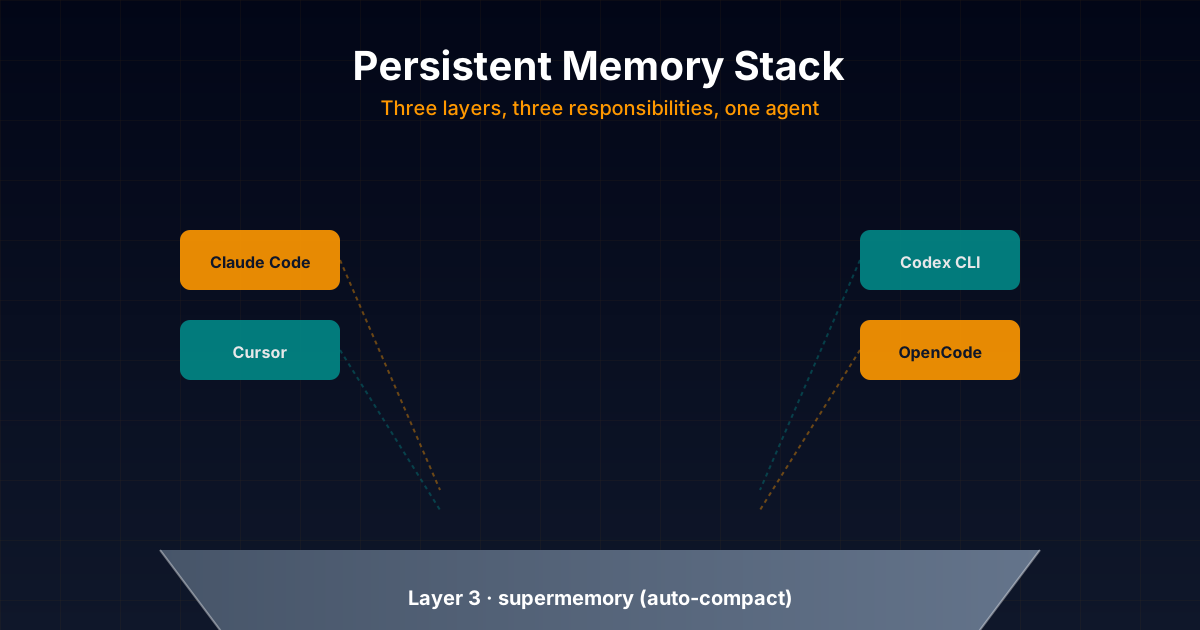
Honest technical deep dive into the persistent memory stack I combine daily in my projects: opencode-supermemory for auto-compact, basic-memory as main memory with Markdown + graph, and forgetful as procedural skills layer. With real configuration examples for Claude Code, Codex,
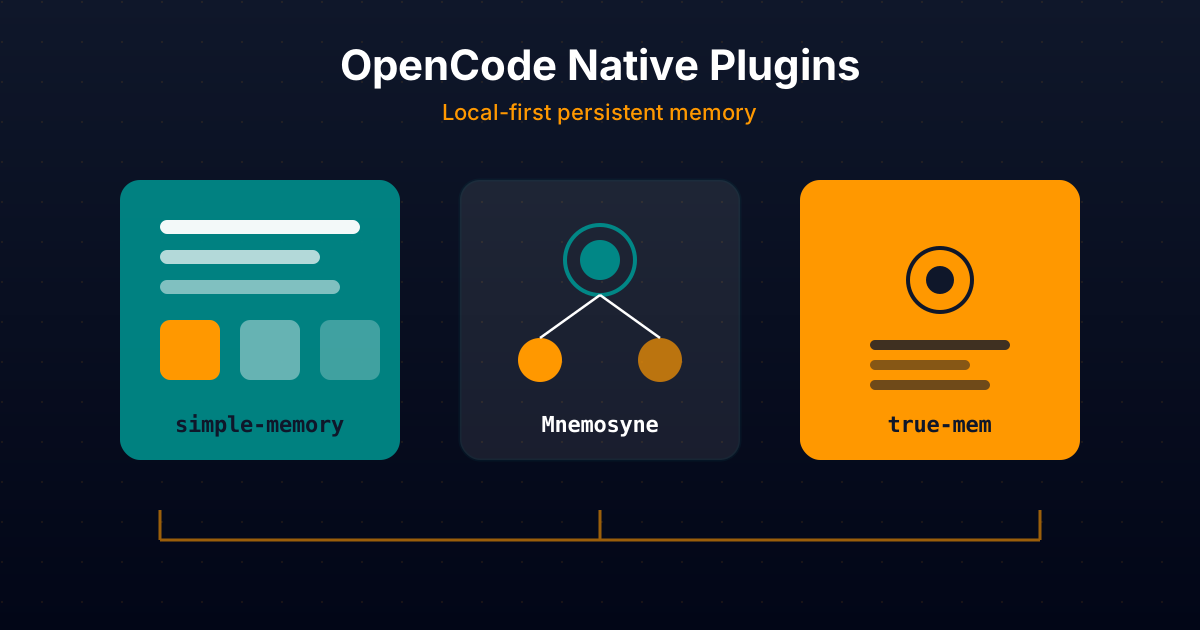
Comparative technical analysis of three native OpenCode plugins to give your AI agent persistent local memory: simple-memory (logfmt), Mnemosyne (offline Go binary), and true-mem (cognitive psychology).
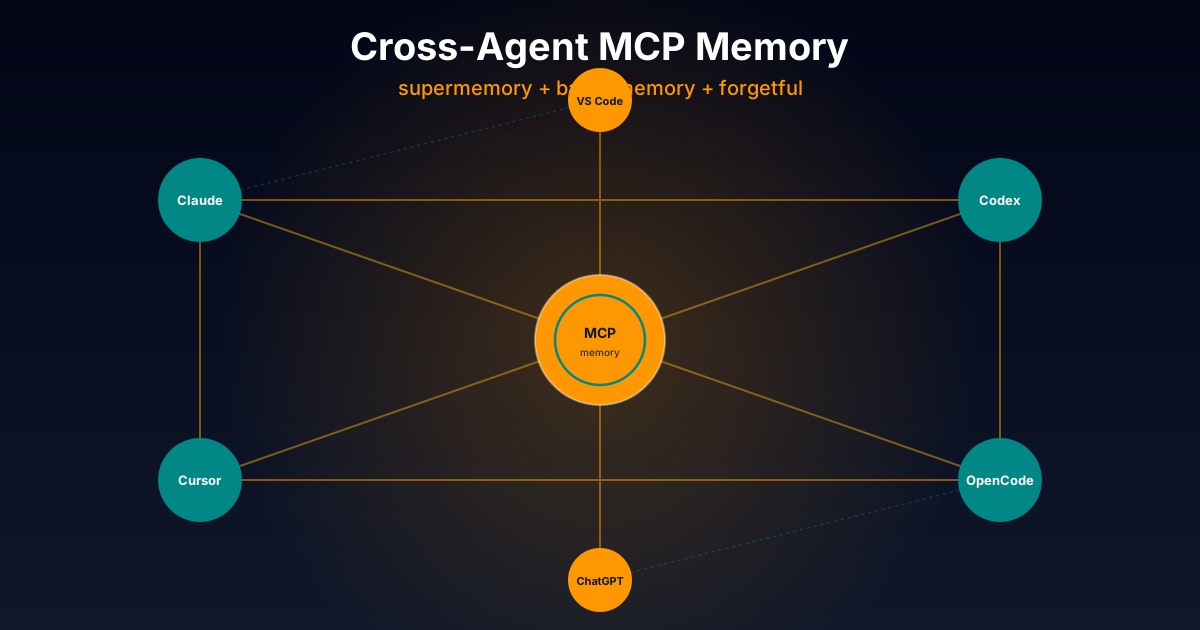
Exhaustive technical comparison of three cross-platform MCP servers to give AI agents persistent memory: opencode-supermemory (cloud), basic-memory (Markdown + graph), and forgetful (atomic Zettelkasten). Works with Claude Code, Codex, Cursor and more.
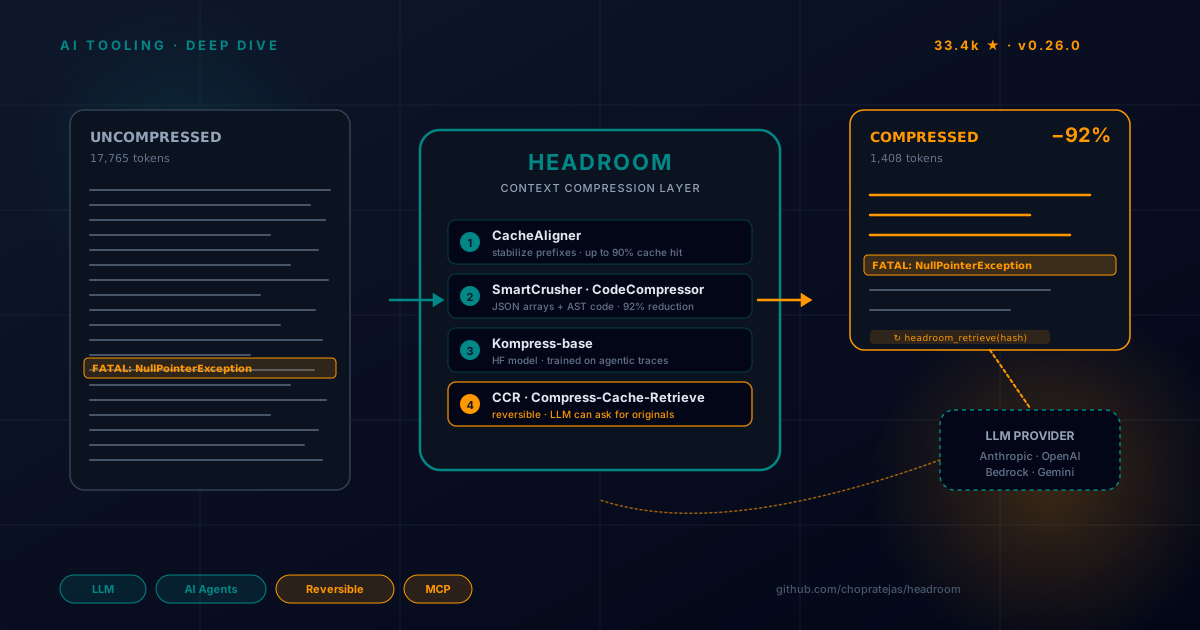
Deep dive into Headroom, the open-source project (33.4k ⭐) that promises 60-95% token reduction on what you send to an LLM without losing accuracy. We test its 6 algorithms, its reversible CCR, and its proxy mode, and compare it to the rest of the ecosystem.
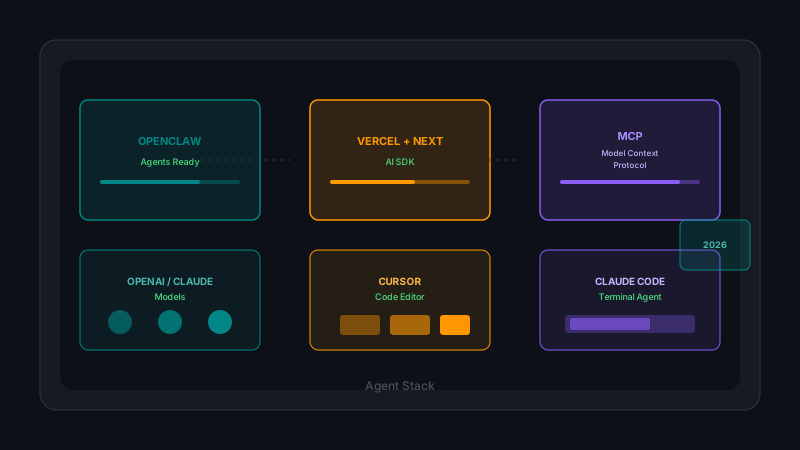
OpenClaw for ready-to-use agents, Vercel AI SDK with Next.js for custom development, OpenAI and Claude models, MCPs for integrations, and Cursor/Claude Code for programming. Complete analysis with practical examples and cost considerations.
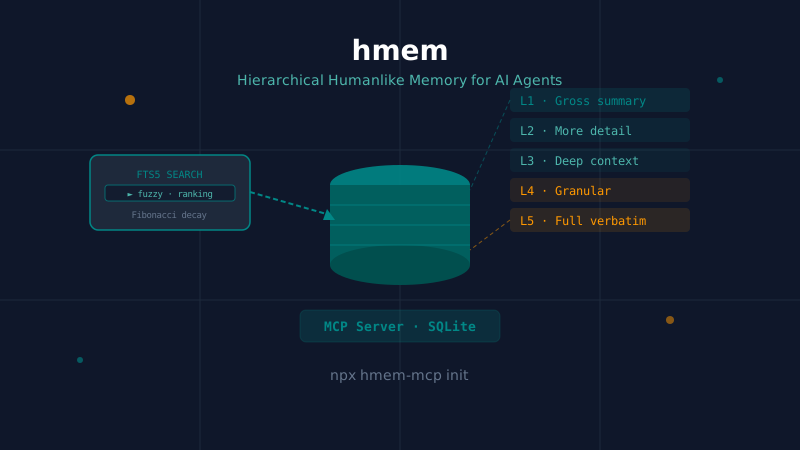
A technical deep-dive into hmem (Humanlike Memory), an MCP server that models human memory in five lazy-loaded levels backed by SQLite + FTS5. How Fibonacci decay, logarithmic aging, and a curator agent solve the context window problem across sessions and machines.
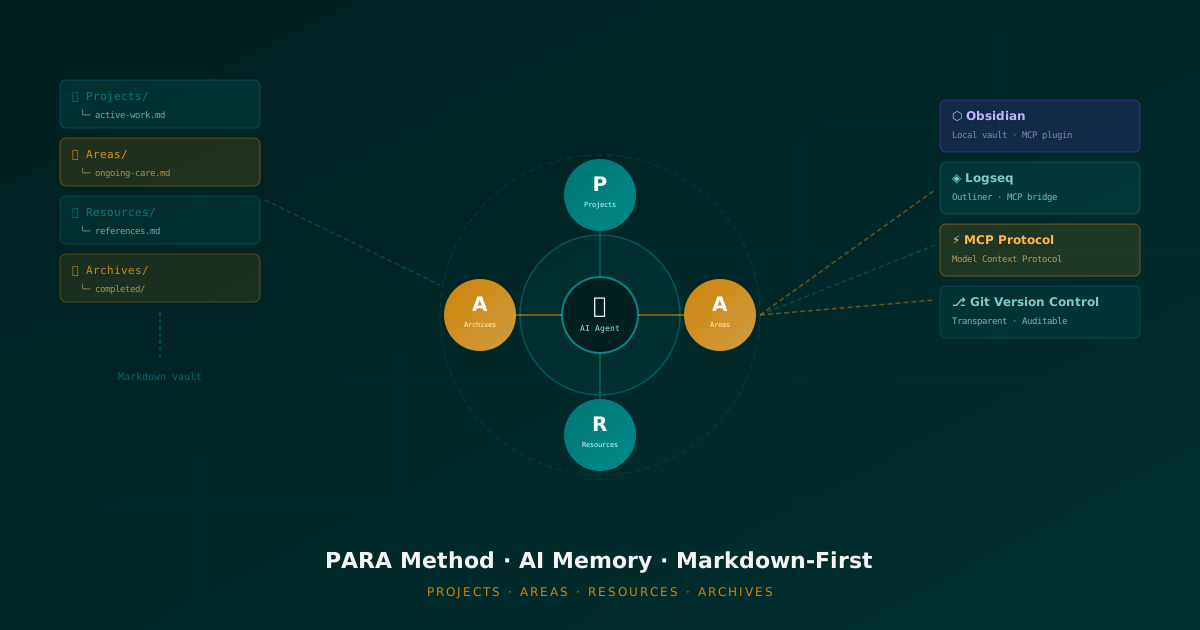
A deep dive into using the PARA method (Projects, Areas, Resources, Archives) as a cognitive scaffold for AI agent memory. How Markdown files, Obsidian, and Logseq via MCP create transparent, human-editable memory systems that actually persist.
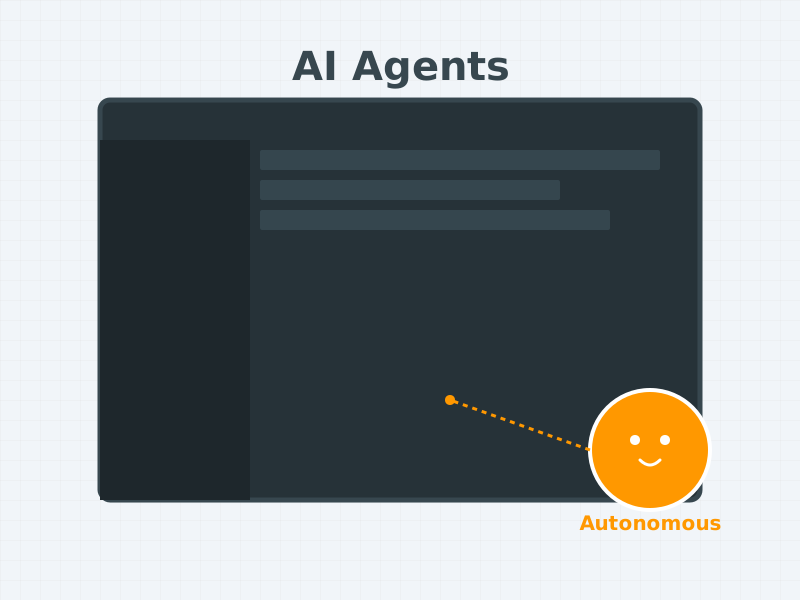
Autocomplete is a thing of the past. Discover how AI Agents like Cline and Cursor are redefining software development, allowing for multi-file editing and autonomous command execution.