AI Tools Worth Learning in 2026: Investment vs. Hype
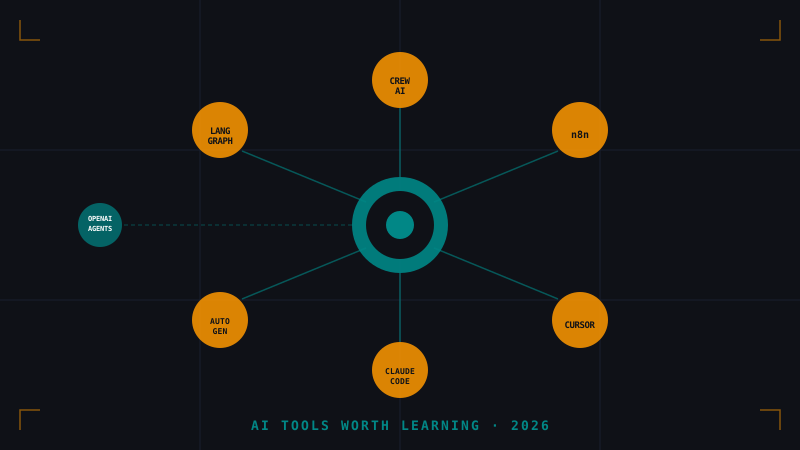
LangGraph, CrewAI, n8n, AutoGen, Cursor, Claude Code, OpenAI Agents SDK — a community debate emerged about which of these will still exist in a year. Here's an honest breakdown.
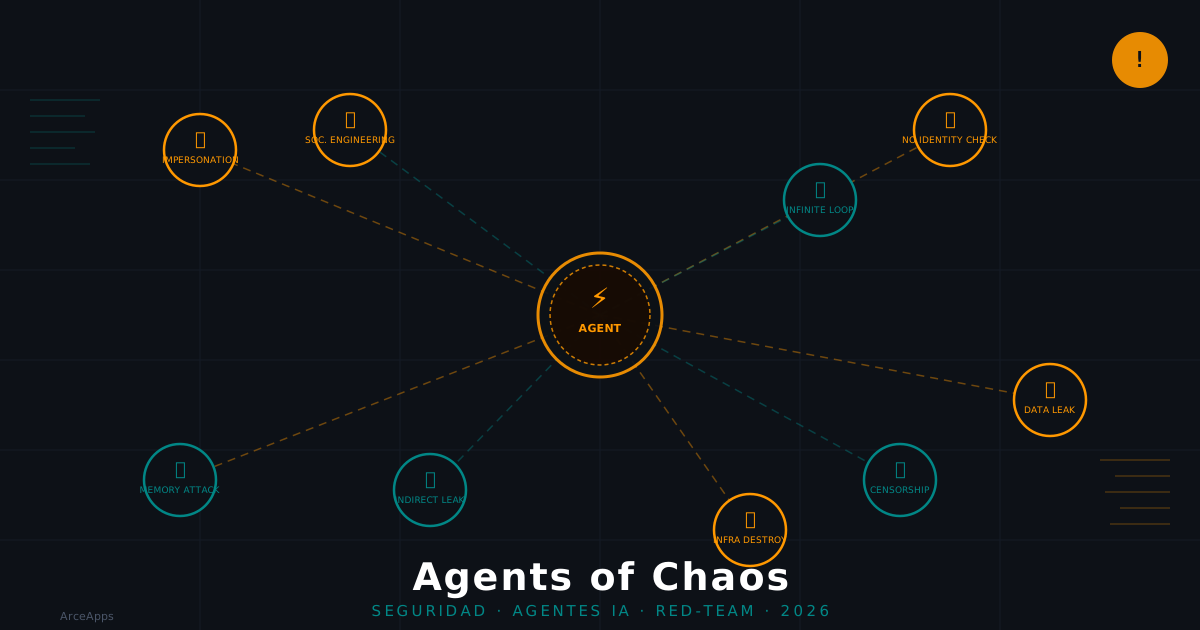
Analysis of the 'Agents of Chaos' paper (arXiv:2602.20021): 7 critical vulnerabilities found in two weeks of red-teaming autonomous AI agents with persistent memory, email, and shell access.
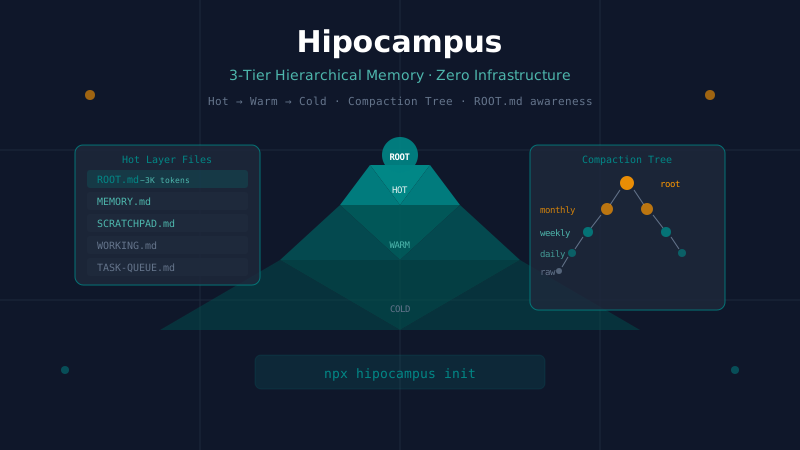
A technical deep-dive into Hipocampus, a drop-in memory harness for AI agents that uses a 3-tier Hot/Warm/Cold architecture and a 5-level compaction tree. How ROOT.md enables constant-cost memory awareness and how it compares to hmem, Mem0, and Letta.
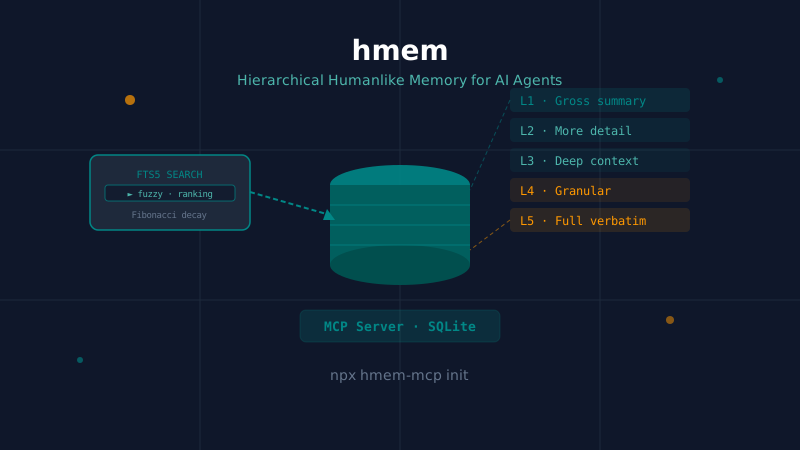
A technical deep-dive into hmem (Humanlike Memory), an MCP server that models human memory in five lazy-loaded levels backed by SQLite + FTS5. How Fibonacci decay, logarithmic aging, and a curator agent solve the context window problem across sessions and machines.
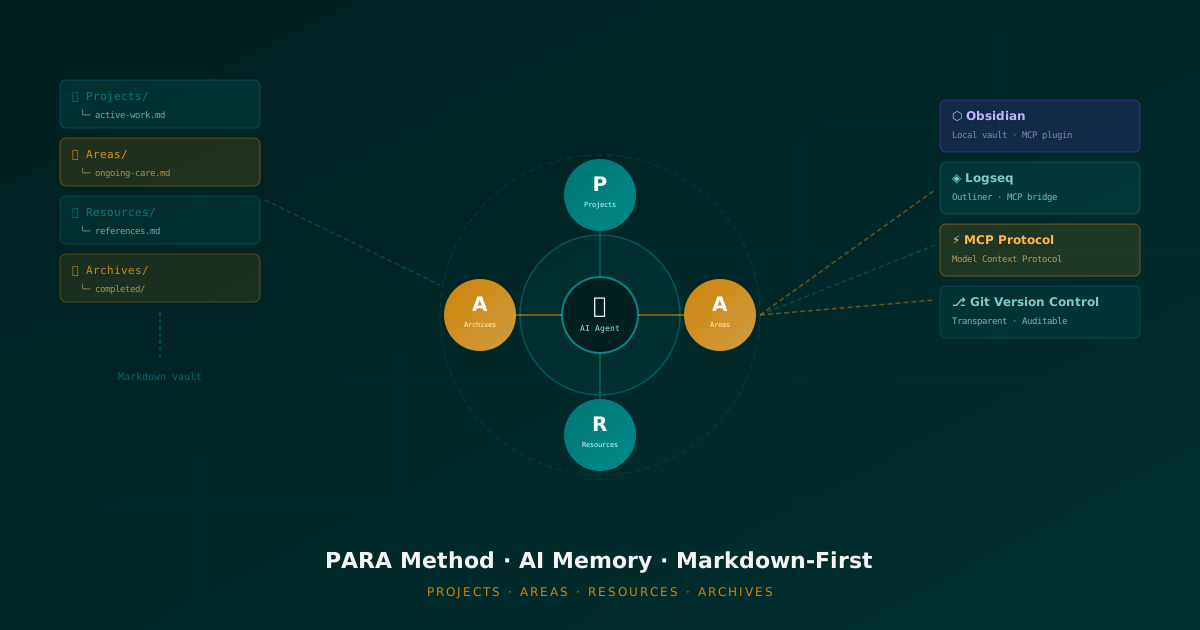
A deep dive into using the PARA method (Projects, Areas, Resources, Archives) as a cognitive scaffold for AI agent memory. How Markdown files, Obsidian, and Logseq via MCP create transparent, human-editable memory systems that actually persist.
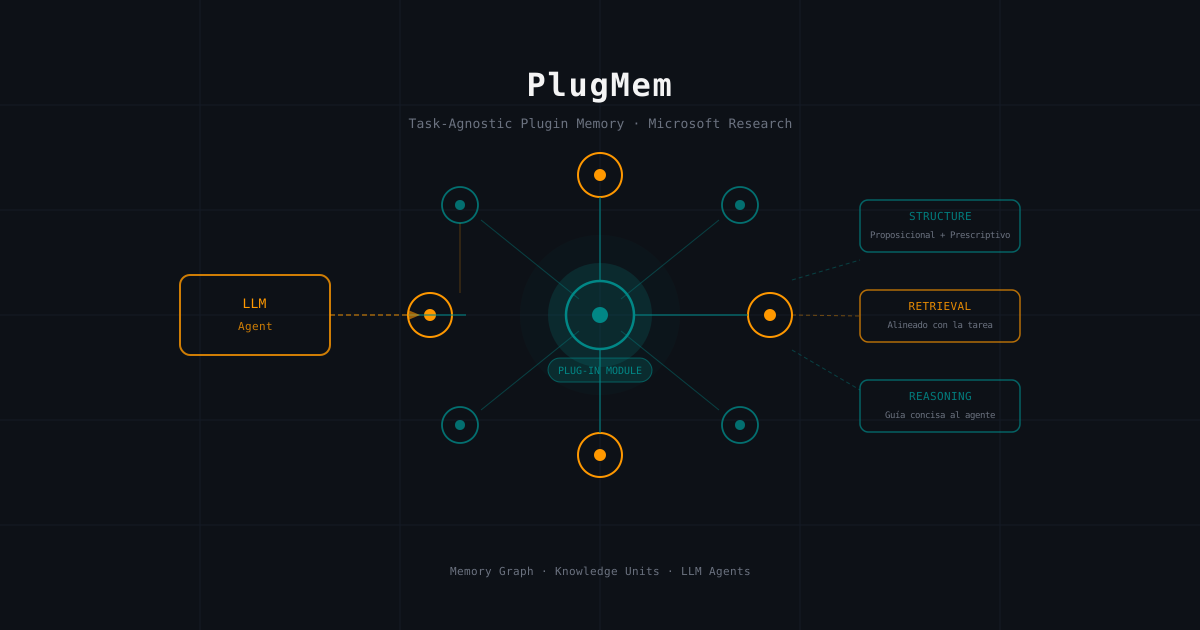
A technical deep-dive into PlugMem, Microsoft Research's plugin memory system that transforms raw LLM agent interactions into reusable structured knowledge. How its three-component architecture (Structure, Retrieval, and Reasoning) outperforms task-specific memory designs.
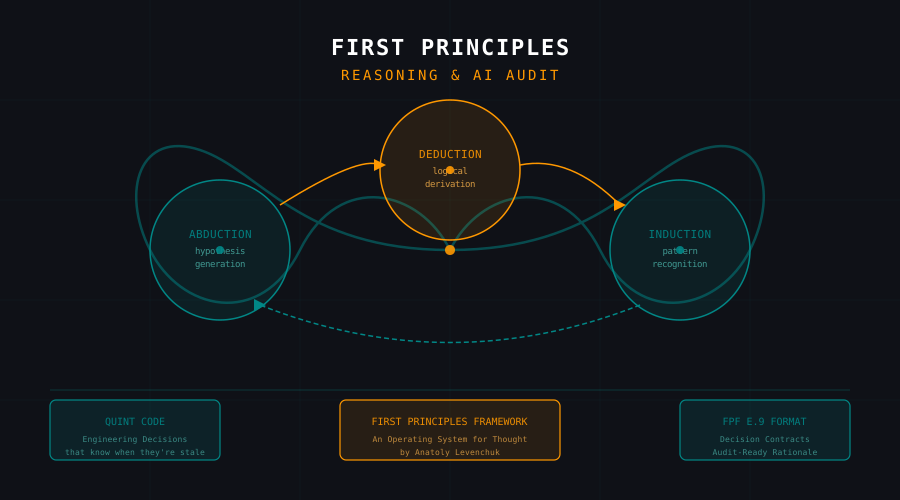
How the First Principles Framework (FPF) and Quint Code enforce structured reasoning on AI agents. The Abduction–Deduction–Induction cycle applied to engineering decisions, auditable decision contracts, and why vibe-coded AI is not enough.
A deep analysis of the critical risks surrounding persistent memory in AI agents: memory poisoning, the right to be forgotten, homomorphic encryption, and the trends that will define 2026.
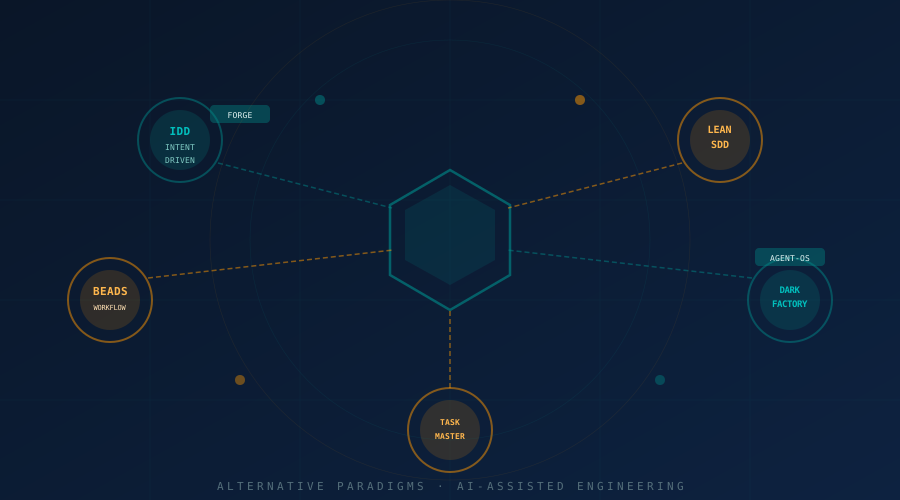
A deep dive into IDD, Lean SDD, BEADS Workflow, Agent OS, and the Dark Factory concept: emerging methodologies that challenge conventional development flows and raise the abstraction level in the age of autonomous AI.
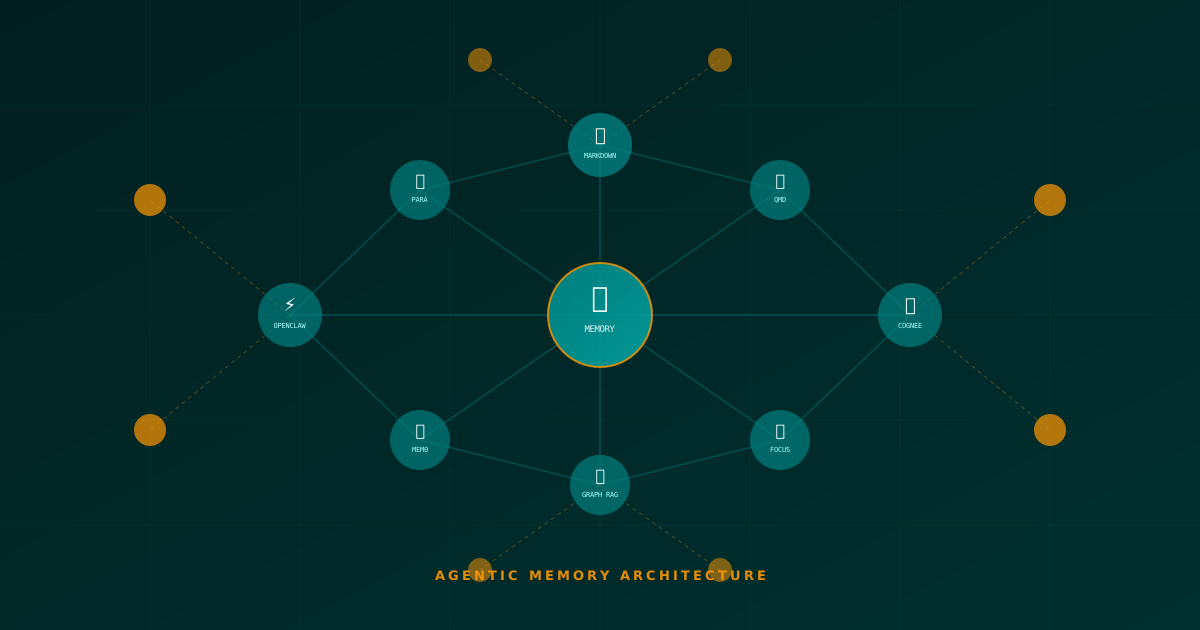
A deep technical analysis of how AI agents persist, consolidate and retrieve information autonomously. From OpenClaw and QMD to Mem0, Cognee and neurobiological memory models.
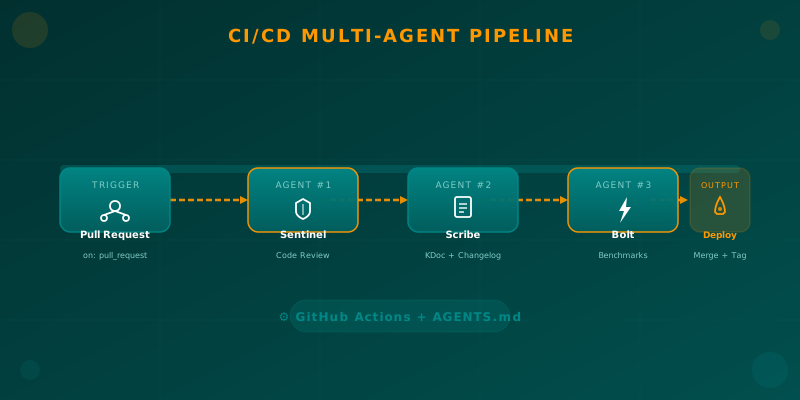
Learn how to integrate specialized AI agents (code review, documentation, benchmarks) into your Android CI/CD pipeline using GitHub Actions and AGENTS.md.
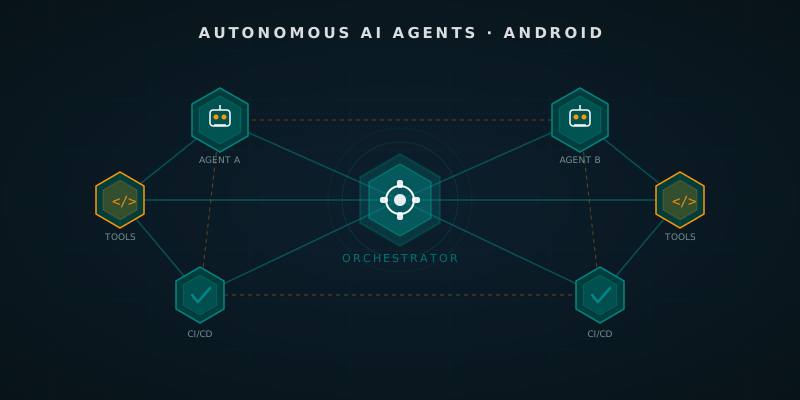
How autonomous AI agents transform Android development: from multi-agent frameworks to pipelines that open PRs and run tests on their own.
How to inject dynamic context into AI agent prompts. Techniques for providing memory, skills, and tools on-the-fly.
Understanding the role of AI Agents in modern mobile development. From theoretical foundations to practical implementation strategies using LLMs.
Practical step-by-step guide to implementing an agent architecture in your Android project. Configure your own AI experts and define their rules.
Introducing the Agents.md standard. A file convention to context-load AI agents with project architecture, coding rules, and domain knowledge.
Autocomplete is a thing of the past. Discover how AI Agents like Cline and Cursor are redefining software development, allowing for multi-file editing and autonomous command execution.